CM Majhi Lays Foundation for 630 Model Primary Schools in Keonjhar
Synopsis
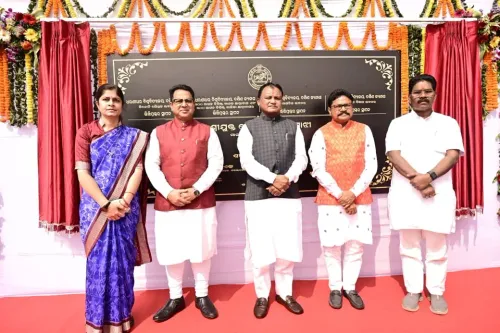
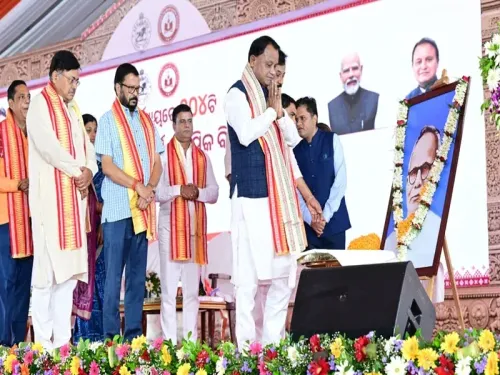
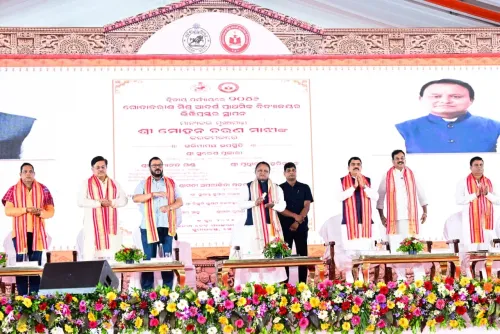
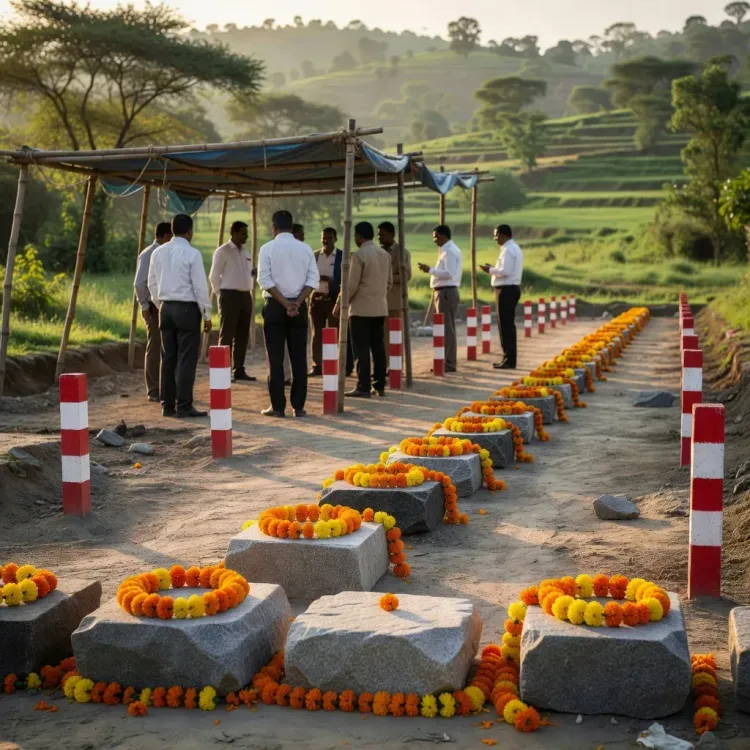
Chief Minister Mohan Charan Majhi attended a ceremony at Dharanidhar University in Keonjhar on 6 November 2026, dedicating completed projects, laying new campus foundations, and placing the cornerstone for 630 'Godabarish Mishra Adarsha Prathamika Vidyalaya' model primary schools across Odisha.
Key Takeaways
630 'Godabarish Mishra Adarsha Prathamika Vidyalaya' model primary schools had their foundation stones laid in a single ceremony on 6 November 2026 .
The event was held at Dharanidhar University campus in Keonjhar district , northern Odisha.
CM Mohan Charan Majhi presided over the combined inauguration, foundation-laying, and cornerstone event.
The schools are named after Odia educationist and independence activist Godabarish Mishra (1896–1986) .
Keonjhar has a significant Scheduled Tribe population and historically lower literacy indicators despite being mineral-rich.
Phased construction timelines and teacher recruitment will determine whether the drive delivers on its stated goals.
Six hundred and thirty primary schools bearing the name of Odia educationist Godabarish Mishra are set to rise across Odisha — and the foundation stone for all of them was laid in a single ceremony on Friday, 6 November 2026. Chief Minister Mohan Charan Majhi attended the multi-project inauguration and foundation-laying event held on the campus of Dharanidhar University in Keonjhar district, marking one of the state's largest single-day education infrastructure drives in recent memory.
What happened at Dharanidhar University
The event, streamed live by the Chief Minister's Office, combined three distinct acts: the lokarpan (public dedication) of completed development projects, the shilanyas (foundation-laying) for new works within the university campus, and the cornerstone ceremony for the 630 'Godabarish Mishra Adarsha Prathamika Vidyalaya' — model primary schools intended to lift baseline learning outcomes across the state. Keonjhar's tribal-majority, mineral-rich landscape has long been flagged by policymakers as a district where access and quality gaps in primary education remain acute, making it a symbolic as well as practical venue for the announcement.
Who was Godabarish Mishra — and why the name matters
Godabarish Mishra (1896–1986) was an Odia writer, educationist, and independence activist whose life bridged the colonial and post-independence eras. Naming a chain of model schools after him signals an attempt to anchor the programme in a recognisable cultural identity — a deliberate choice in a state where school-naming after regional icons carries political and community resonance. The 'Adarsha' (model) tag places the schools within a lineage of upgraded-standard campuses that Odisha has periodically announced under central frameworks like Samagra Shiksha Abhiyan as well as state-level initiatives.
Keonjhar's education profile and why it keeps featuring in such drives
Keonjhar district sits at an uncomfortable intersection: it is one of Odisha's wealthiest districts by mineral output yet carries literacy and school-enrolment indicators that trail the state average, particularly among its significant Scheduled Tribe population. Both the previous BJD administration and the current BJP government under CM Majhi have repeatedly targeted the district in education infrastructure pushes for precisely this reason. Physical infrastructure — classrooms, boundary walls, drinking-water facilities — has historically been the first lever pulled before teacher recruitment and curriculum upgrades follow.
The road the 630 schools must still travel
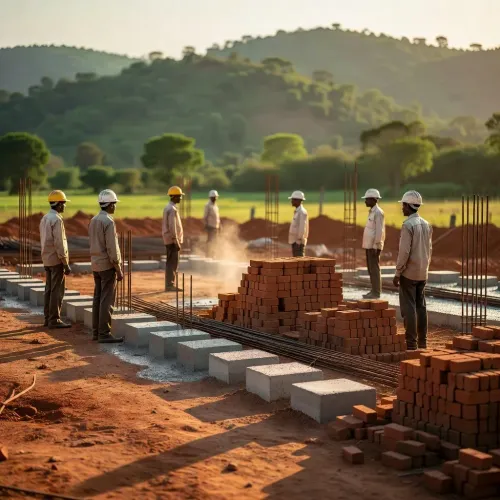
A foundation-stone ceremony is a beginning, not a finish line. The practical test will be in phased construction timelines, procurement pipelines, and — critically — whether trained teachers are recruited and deployed before or after the buildings are ready. Integration with existing central funding under Samagra Shiksha will determine how quickly money flows to each school site. Watchers of Odisha's education sector will be tracking whether this batch of 630 schools moves faster through construction than previous tranches announced under similar fanfare.
For the students of Keonjhar and the tribal communities whose children they are meant to serve, the name on the foundation stone matters far less than what stands there in three years' time.
Point of View
Still consolidating his administration's identity in education policy, the scale of the announcement — 630 schools in one event — projects ambition and urgency simultaneously. The naming of schools after Godabarish Mishra is a soft-power signal aimed at Odia cultural pride, potentially broadening the initiative's appeal beyond party lines. The real test of political credibility, however, will come when independent assessments measure construction completion rates against the promises made on 6 November.
NationPress
6 Nov 2026
Frequently Asked Questions
What are the Godabarish Mishra Adarsha Prathamika Vidyalaya schools?
They are a chain of 630 state-funded model primary schools in Odisha whose foundation stones were laid by CM Mohan Charan Majhi on 6 November 2026, named after Odia educationist and independence activist Godabarish Mishra (1896–1986).
Where was the foundation stone ceremony held?
The ceremony took place on the campus of Dharanidhar University in Keonjhar district, northern Odisha.
Who is Godabarish Mishra and why are schools named after him?
Godabarish Mishra (1896–1986) was an Odia writer, educationist, and freedom fighter. Naming the model schools after him links the programme to a respected cultural and educational figure in Odia public memory.
Why is Keonjhar chosen for major education initiatives in Odisha?
Keonjhar is mineral-rich but has a large Scheduled Tribe population with literacy and enrolment rates that trail the state average, making it a priority target for education infrastructure drives by successive Odisha governments.
What is the current status of these 630 schools?
As of 6 November 2026, the foundation stones have been laid. Phased construction, procurement, and teacher recruitment are the next critical steps before the schools become operational.