CM Majhi Hails India as Global Generic Medicine Powerhouse
Synopsis
Odisha CM Mohan Charan Majhi on October 13, 2026 highlighted India's stature as a global generic medicine supplier, citing that one in five affordable medicines worldwide originates from India, and attributed the achievement to PM Modi's vision of inclusive progress.
Key Takeaways
Odisha CM Mohan Charan Majhi posted on October 13, 2026 crediting India's generic medicine sector as a pillar of global healthcare.
The post claims one in every five generic medicines bought globally comes from India.
India's pharmaceutical dominance is rooted in the Patents Act of 1970 , which enabled low-cost domestic manufacturing.
The Pradhan Mantri Bhartiya Janaushadhi Pariyojana (launched 2015 ) extends the same affordable-medicine philosophy to Indian consumers through dedicated generic outlets.
India's generic exports have long targeted developing nations, supplying antiretrovirals and essential medicines at prices unmatched by Western pharma.
Majhi's post positions the BJP government's healthcare record within a broader global health equity narrative.
One in every five generic medicines reaching patients worldwide now comes from India — and Odisha Chief Minister Mohan Charan Majhi wants that number front and centre in the national conversation. On Tuesday, October 13, 2026, Majhi took to X to frame India's pharmaceutical output not just as an economic achievement, but as a moral one: a country that refuses to leave the world's sick behind.
Posting in tribute to Prime Minister Narendra Modi, Majhi wrote: 'India's journey of progress is rooted in the spirit of togetherness, ensuring that no one is left behind. Today, when the world looks for affordable medicines, one in every five generic medicines comes from India, reflecting our nation's growing contribution to global healthcare.'How India Became the World's Pharmacy
The story did not begin overnight. India's dominance in generic drug manufacturing traces directly to the landmark Patents Act of 1970, which permitted process patents rather than product patents — a deliberate policy choice that let Indian manufacturers replicate molecules cheaply and legally. That legal architecture seeded a domestic industry that would, decades later, supply antiretrovirals to sub-Saharan Africa and paracetamol to pharmacies from Lagos to Lima.
By the 2000s, the phrase 'pharmacy of the world' — India's global identity in health diplomacy — had moved from aspiration to established fact, anchored by massive export volumes of essential and life-saving drugs to developing nations at prices Western manufacturers could not match.
Janaushadhi Scheme and the Domestic Dividend
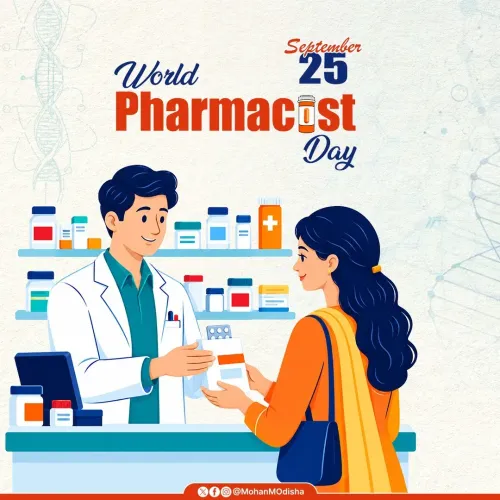
The same logic that made India a global supplier has been turned inward through the Pradhan Mantri Bhartiya Janaushadhi Pariyojana, launched in 2015, which rolls out dedicated generic-medicine outlets across the country at steep discounts to branded equivalents. The scheme represents the domestic face of a philosophy Majhi is amplifying today: that affordable medicine is a right, not a privilege, whether the patient is in rural Odisha or rural Kenya.
Successive governments have linked India's pharmaceutical strength to two simultaneous goals — hard export earnings and soft-power leadership on global health equity. Majhi's post fits squarely within that dual narrative, associating the BJP's governance record with both.
What the Statistic Signals
The claim of one-in-five generics is a striking marker of scale. India's pharmaceutical export orientation is well documented — a large domestic manufacturing base, cost-competitive chemistry talent, and regulatory approvals from agencies across Europe, the United States, and Africa have together made Indian generics the default affordable option in dozens of formularies worldwide. For a state-level leader like Majhi, invoking a global health statistic is also a quiet assertion: Odisha, and states like it, are part of an industrial supply chain that reaches every continent.
The kicker is this: as the next generation of blockbuster drugs approaches patent cliffs, the world will need generic alternatives faster than ever — and the country best positioned to supply them, cheaply and at scale, is still India.
Point of View
The messaging elevates a domestic policy story into a foreign-policy and moral-leadership claim simultaneously. This mirrors a long-running pattern in Indian health diplomacy, where pharmaceutical exports are framed as both economic nationalism and humanitarian contribution. As patent cliffs on major drugs approach globally, the political salience of India's generic sector will only intensify.
NationPress
13 Oct 2026
Frequently Asked Questions
Why is India called the pharmacy of the world?
India earned that title through decades of large-scale generic drug manufacturing enabled by the 1970 Patents Act, which allowed low-cost production and massive exports of affordable medicines — including antiretrovirals — to developing nations worldwide.
What is the Pradhan Mantri Bhartiya Janaushadhi Pariyojana?
It is a central government scheme launched in 2015 that provides quality generic medicines at discounted prices through dedicated Janaushadhi outlets across India, making affordable healthcare accessible to ordinary citizens.
What did Odisha CM Mohan Charan Majhi say about Indian medicines?
On October 13, 2026, CM Majhi posted that one in every five generic medicines in the world comes from India, framing it as evidence of the country's growing contribution to global healthcare and inclusive progress under PM Modi.
How large is India's pharmaceutical export sector?
India is one of the world's top generic drug exporters, supplying medicines to over 200 countries and territories, with regulatory approvals from major agencies in the United States, Europe, and Africa underpinning its global market access.
Who is Mohan Charan Majhi?
Mohan Charan Majhi is the BJP Chief Minister of Odisha, serving since 2024. He regularly uses social media to highlight central government policies and national achievements.