CM Majhi Marks Janjatiya Gaurav Divas, Hails Modi
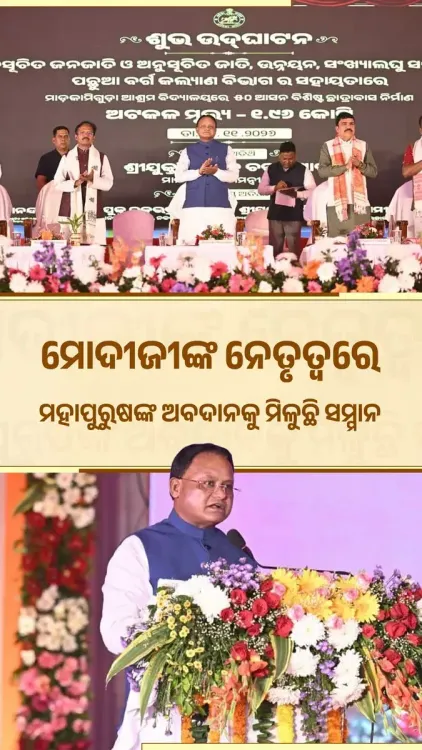
Synopsis
On Janjatiya Gaurav Divas, Odisha CM Mohan Charan Majhi hailed PM Modi for giving national recognition to tribal freedom fighters like Birsa Munda, Sardar Patel, and Netaji — framing the annual observance, instituted in 2021, as a historic corrective to decades of neglect.
Key Takeaways
Janjatiya Gaurav Divas falls on 15 November every year, marking the birth anniversary of Bhagwan Birsa Munda (born 1875 ), and was institutionalised by the central government in 2021 .
CM Mohan Charan Majhi posted in both Odia and English, arguing that heroes like Birsa Munda , Sardar Patel , and Netaji Subhas Chandra Bose were long denied national recognition.
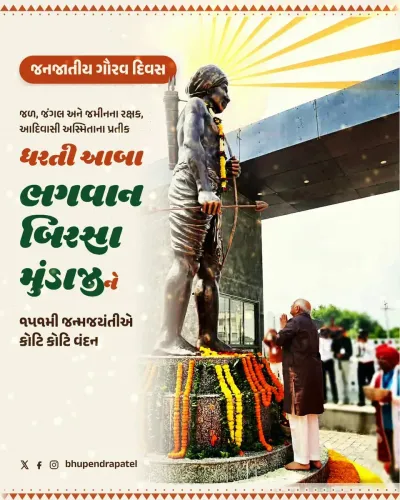
Sardar Patel is commemorated through the Statue of Unity , inaugurated in 2018 in Gujarat ; Netaji celebrations were also expanded post- 2014 .
Odisha has 62 scheduled tribes , making tribal recognition a significant cultural and political issue in the state.
The BJP's elevation of tribal and non-Congress freedom fighters since 2014 reflects a broader cultural policy of reframing India's independence narrative.
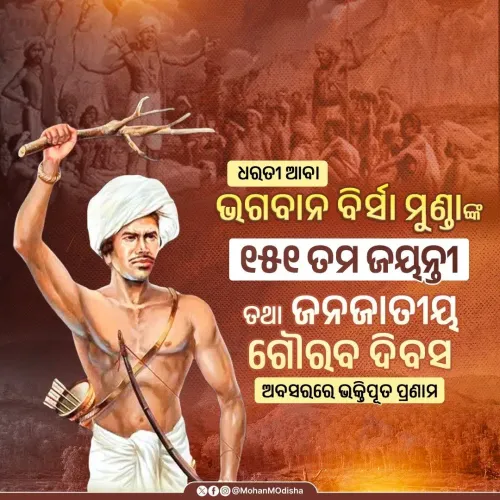
On Janjatiya Gaurav Divas — 15 November 2026 — Odisha Chief Minister Mohan Charan Majhi invoked the names of Bhagwan Birsa Munda, Sardar Vallabhbhai Patel, and Netaji Subhas Chandra Bose to argue that India's freedom struggle had been systematically under-acknowledged — until now.
Posting in both Odia and English, Majhi wrote that 'for long years the contributions of the country's great freedom fighters and heroes were ignored,' and credited Prime Minister Narendra Modi with delivering the national recognition those figures deserved. 'The observance of Janjatiya Gaurav Divas since 2021,' he said, 'is a significant step in honouring their legacy.'
Who is Janjatiya Gaurav Divas for — and why November 15?
Birsa Munda was born on 15 November 1875 in present-day Jharkhand. A tribal leader from the Munda community, he led the Ulgulan ('Great Tumult') — an armed resistance against British land policies and missionary influence that shook colonial administration in the late 19th century. He died in British custody in 1900, aged just 25, and has since been revered as a symbol of Adivasi defiance across central and eastern India.
The central government institutionalised Janjatiya Gaurav Divas in 2021, designating 15 November as the annual date to formally recognise tribal contributions to India's freedom movement. The choice is deliberate: Birsa Munda's birth anniversary becomes the anchor for a broader national conversation about Adivasi sacrifice.
The wider arc: reframing India's independence story
Majhi's post sits inside a larger pattern. Since 2014, the BJP-led central government has steadily elevated leaders who were prominent in the independence movement but occupied less space in the dominant Congress-era historical narrative. Sardar Patel's commemoration through the Statue of Unity — inaugurated in 2018 in Gujarat and the world's tallest statue — was one early signal. Official celebrations of Netaji Subhas Chandra Bose, including the renaming of institutions and expanded anniversary events, followed.
Janjatiya Gaurav Divas extends that logic to tribal India specifically — a constituency spread across Odisha, Jharkhand, Chhattisgarh, Madhya Pradesh, and the northeast, where Adivasi communities make up a significant share of voters and where BJP has worked to deepen its organisational reach.
Majhi's Odisha and the tribal dimension
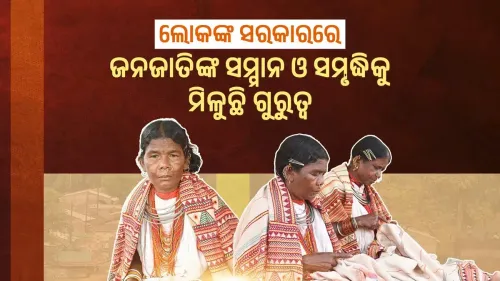
Odisha is home to 62 scheduled tribes — among the highest diversity in any Indian state — making Janjatiya Gaurav Divas politically and culturally resonant here. CM Majhi, who took office in 2024, has consistently aligned state programming with central cultural initiatives. His post today signals that Odisha's official observance of the day is fully integrated into the national BJP narrative around tribal recognition.
The question that hangs in the air every November is whether ceremonial remembrance translates into measurable gains for tribal communities on land rights, forest access, and livelihood — but that is precisely the debate that this day is designed to spark.
Point of View
But it also performs electoral work in tribal-heavy states like Odisha, Jharkhand, and Chhattisgarh, where Adivasi votes are pivotal. The pairing of Birsa Munda with Patel and Bose is deliberate: it universalises a tribal occasion into a broader 'forgotten heroes' frame, widening its appeal beyond Adivasi audiences. How far that symbolic recognition translates into substantive tribal welfare policy will determine whether the day retains its resonance in the years ahead.
NationPress
15 Nov 2026
Frequently Asked Questions
What is Janjatiya Gaurav Divas and when is it celebrated?
Janjatiya Gaurav Divas is an annual national observance on 15 November , instituted by the central government in 2021 to honour tribal freedom fighters, anchored to the birth anniversary of Bhagwan Birsa Munda .
Who was Bhagwan Birsa Munda?
Bhagwan Birsa Munda was a tribal leader born on 15 November 1875 in present-day Jharkhand . He led the Ulgulan movement against British colonial land and forest policies and died in British custody in 1900 , becoming a central symbol of Adivasi resistance.
Why did CM Majhi post about Janjatiya Gaurav Divas?
Odisha CM Mohan Charan Majhi posted to mark the 2026 observance of Janjatiya Gaurav Divas, crediting PM Narendra Modi for giving national recognition to tribal and other historically under-acknowledged freedom fighters.
How does Janjatiya Gaurav Divas relate to Sardar Patel and Netaji Bose?
CM Majhi linked all three figures under a single argument: that great national heroes — tribal and non-tribal alike — were ignored for decades and are now receiving recognition under the Modi government . Patel is commemorated through the Statue of Unity (2018) and Bose through expanded official commemorations post- 2014 .
How many scheduled tribes does Odisha have?
Odisha is home to 62 scheduled tribes , one of the highest counts among Indian states, making tribal heritage a central thread in the state's cultural and political landscape.