CM Majhi Hails NVS-03 Launch, NavIC's Strategic Leap
Synopsis
ISRO successfully launched the NVS-03 navigation satellite from Sriharikota on October 31, 2026, strengthening India's NavIC constellation. Odisha CM Mohan Charan Majhi hailed the launch as a major step toward strategic self-reliance and reduced dependence on foreign navigation systems.
Key Takeaways
NVS-03 successfully launched from Sriharikota on October 31, 2026 , adding a second-generation satellite to India's NavIC navigation constellation.
The Indian Regional Navigation Satellite System project dates to 2006 ; the constellation was declared operational in 2018 after seven satellites were deployed.
NavIC is designed to reduce India's reliance on foreign systems such as the US GPS for both military and civilian positioning needs.
Key beneficiary sectors include defence forces , maritime and aviation users, transportation, and disaster management.
Odisha CM Mohan Charan Majhi called the launch 'a proud moment for the nation' and a testament to India's growing space prowess.
Further NVS-series launches are still required to achieve full operational capability and expanded signal coverage.
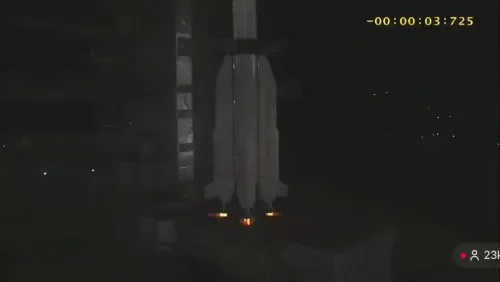
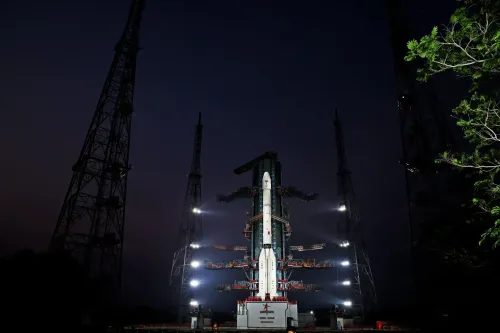
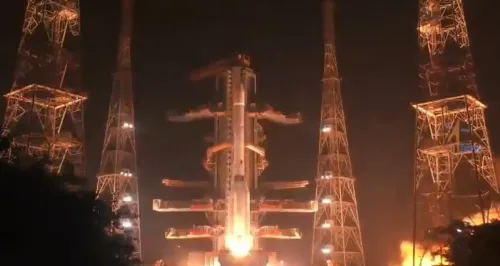
India's push for space self-reliance cleared another milestone on Saturday, October 31, 2026, as ISRO successfully launched the NVS-03 navigation satellite from Sriharikota — and Odisha Chief Minister Mohan Charan Majhi was among the first to salute the achievement.
What NVS-03 Means for NavIC
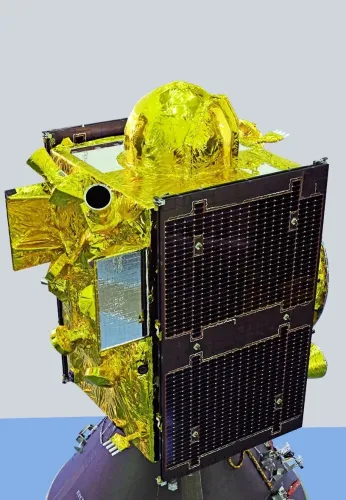
NVS-03 is the latest addition to the second-generation NavIC constellation — India's home-grown answer to the United States' GPS. The Indian Regional Navigation Satellite System project was approved all the way back in 2006, the first satellite flew in 2013, and the system was declared operationally ready in 2018 with seven satellites in position. Every NVS-series launch since has been about upgrading that original constellation: sharper accuracy, stronger signals, longer service life. CM Majhi captured the strategic logic plainly: the satellite will 'strengthen India's indigenous space and navigation capabilities through NavIC, enhance strategic self-reliance, and reduce dependence on foreign navigation systems.' That last phrase is the whole point. Defence planners, maritime operators, and aviation authorities all need positioning data they can trust in any geopolitical climate — data that no foreign power can switch off.Sriharikota's Unbroken Launch Record
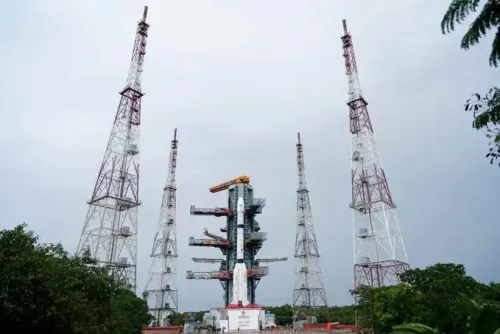
Sriharikota, the coastal Andhra Pradesh site housing the Satish Dhawan Space Centre, has served as ISRO's primary launch complex since the agency's earliest missions. Each successful lift-off from its pads adds to a record that the government has consistently leveraged as proof of indigenous industrial depth — from rocket motors to avionics to ground-station software. The NVS series represents the next chapter in that story: not just maintaining the constellation but expanding its signal bands and civilian utility, with sectors like transportation and disaster management flagged as priority beneficiaries as full operational capability comes within reach.A Pattern of Political Endorsement
Space successes have become a reliable beat for India's political leadership. From Prime Ministers to Chief Ministers, congratulatory posts after ISRO launches now form a near-ritual affirmation of national pride — and they carry real policy weight. Sustained cross-party applause translates into budget backing, and ISRO's successive milestones over the past decade have kept that political goodwill largely intact. With further NVS-series launches still required before NavIC achieves full expanded capability, the constellation-building story is far from over. Every satellite that clears the atmosphere is one step closer to the day India's ships, soldiers, and smartphones navigate on signals that belong entirely to India.Point of View
Which in turn sustains the agency's institutional support. The NavIC programme's strategic value — providing positioning data immune to foreign denial — has grown more salient as India deepens its defence modernisation push. Completing the NVS constellation will be the next concrete test of whether that political goodwill converts into the launch cadence NavIC needs.
NationPress
31 Oct 2026
Frequently Asked Questions
What is the NVS-03 satellite and why was it launched?
NVS-03 is a second-generation navigation satellite launched by ISRO to upgrade and expand India's NavIC constellation, improving positioning accuracy and signal resilience for both military and civilian users.
What is NavIC and how is it different from GPS?
NavIC, or the Navigation with Indian Constellation, is India's indigenous regional satellite navigation system, designed to provide accurate positioning independently of foreign systems like the US GPS, ensuring India controls its own navigation data.
Where was NVS-03 launched from?
NVS-03 was launched from the Satish Dhawan Space Centre at Sriharikota in Andhra Pradesh, ISRO's primary orbital launch facility.
When did India's satellite navigation programme begin?
The Indian Regional Navigation Satellite System project was approved in 2006 , the first satellite launched in 2013 , and the system declared operational in 2018 after seven satellites were placed in orbit.
Why did Odisha CM Mohan Charan Majhi congratulate ISRO on the NVS-03 launch?
CM Majhi congratulated ISRO because the launch advances India's strategic self-reliance in navigation technology, a goal with significance for defence, disaster management, and civilian infrastructure across all Indian states including Odisha.