CM Majhi Holds Janasunani, Vows Time-Bound Grievance Relief
Synopsis
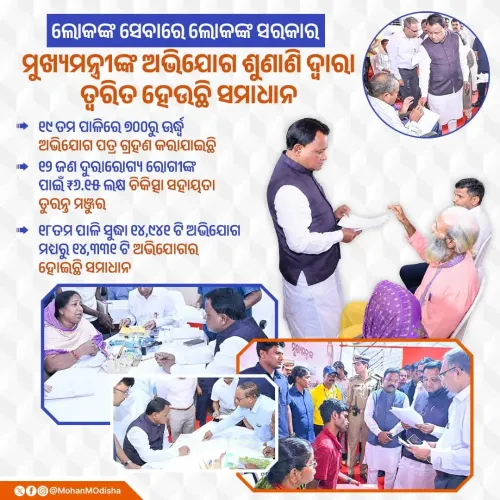
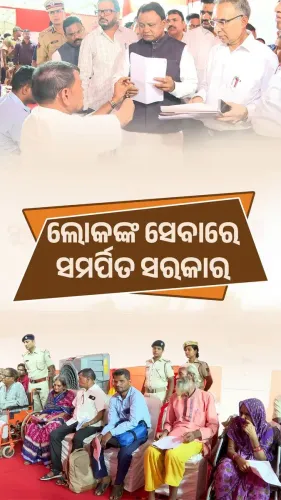
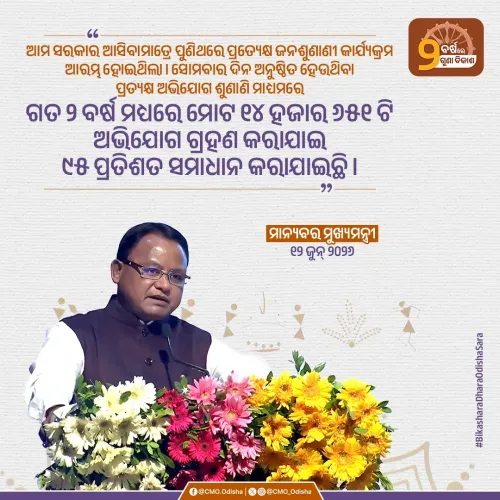
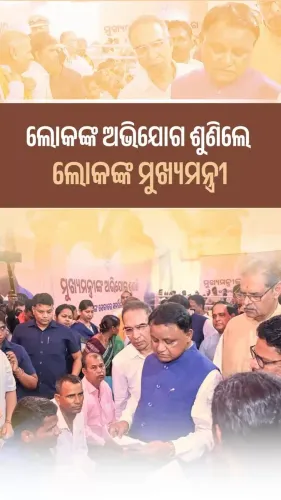
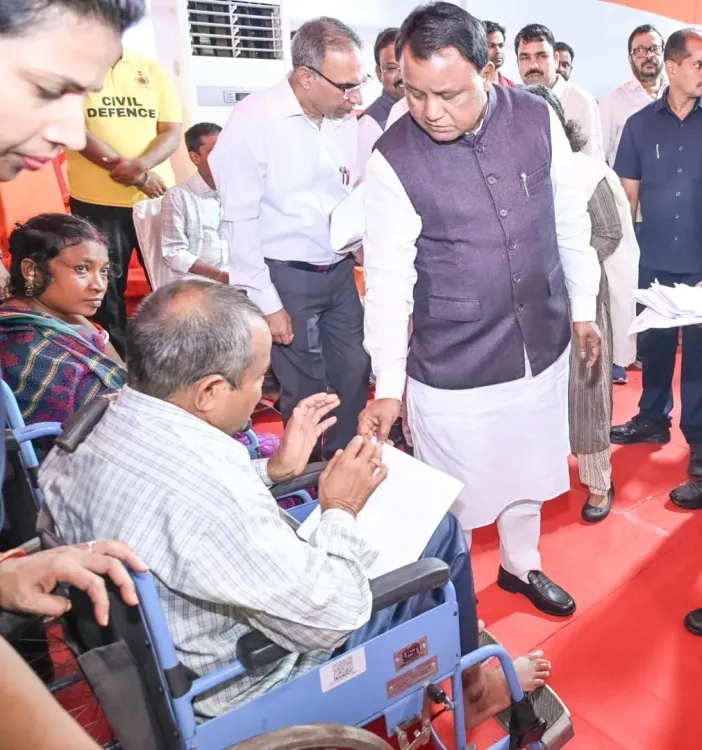
Chief Minister Mohan Charan Majhi personally heard complaints from citizens across Odisha at the Janasunani programme on 27 July 2026, directing officials to ensure immediate and time-bound resolution of all grievances as the government's top priority.
Key Takeaways
CM Mohan Charan Majhi presided over a Janasunani public grievance session on 27 July 2026 .
Citizens from various regions of Odisha presented complaints directly to the Chief Minister.
The government has declared 'permanent and lasting redressal' of public problems its primary priority .
CM Majhi directed that all complaints receive immediate and time-bound resolution .
The session continues a governance tradition in Odisha rooted in the Mo Sarkar feedback initiative launched in 2019 .
Departmental follow-through and resolution rates will be the key metric to watch in coming weeks.
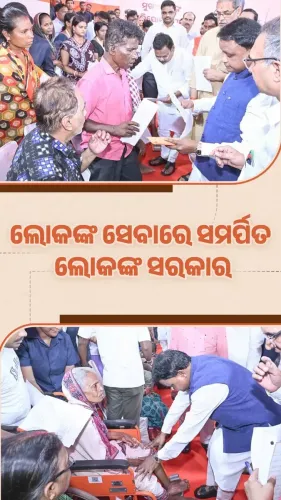
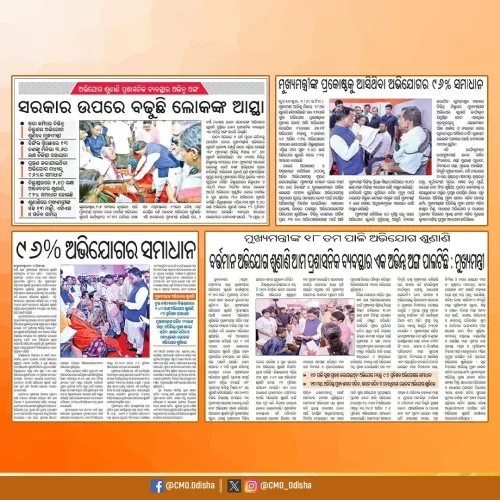
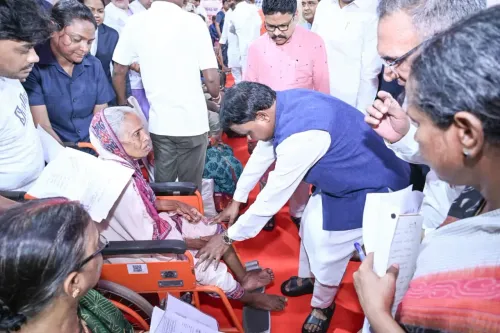
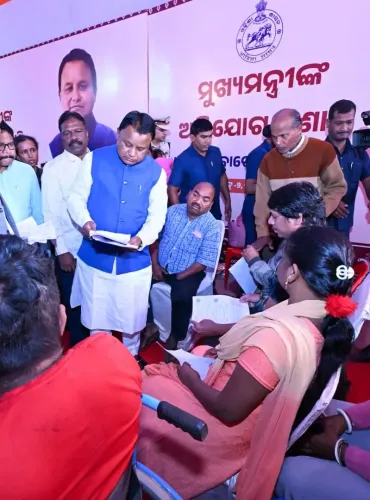
The Chief Minister's Office of Odisha announced on Monday, 27 July 2026 that Chief Minister Mohan Charan Majhi personally heard complaints from citizens travelling from various parts of the state at the Janasunani public grievance redressal programme, reaffirming that lasting resolution of people's problems remains the government's foremost priority.
Context
The CMO's post, written in Odia, stated that CM Majhi listened to grievances brought by citizens from different regions — 'ବିଭିନ୍ନ ପ୍ରାନ୍ତ' (various parts of the state) — and stressed ensuring 'immediate and time-bound resolution of all complaints.' The session underlines the BJP-led state government's positioning of direct citizen access as a governance cornerstone since taking office in June 2024.
Policy Backdrop
Janasunani is Odisha's structured public hearing mechanism through which citizens can present complaints directly to the Chief Minister, bypassing multiple layers of bureaucracy. It builds on the state's earlier Mo Sarkar initiative — launched in 2019 — which introduced real-time citizen feedback on government service delivery and set early precedents for accountability-driven administration in Odisha.
Across India, such direct public hearing formats are consistent with constitutional principles of responsive, decentralised governance. They typically combine in-person hearings with formal directives to departments for action within defined timelines, creating a paper trail for follow-up.
Stakeholders and Impact
Citizens from across Odisha's diverse districts — spanning coastal, tribal, and interior regions — are the primary beneficiaries of the Janasunani format. For many, particularly those from remote areas, a direct audience with the Chief Minister represents the most accessible route to escalating unresolved complaints against district administrations or state departments.
District-level officials and departmental heads are the secondary stakeholders, as the programme generates specific, time-bound directives they are expected to act on and report back against. The emphasis on 'permanent redressal' — rather than ad hoc fixes — signals an intent to address root causes rather than symptom-level responses.
What's Next
Analysts and civil society groups will watch whether the 27 July 2026 session's grievances are tracked through a verifiable resolution mechanism, potentially integrated with existing digital portals. The government's stated priority of 'time-bound' action puts the onus on departments to demonstrate measurable outcomes in the weeks ahead. Consistent follow-through on such public commitments will be key to sustaining citizen trust in the Janasunani format under CM Majhi's administration.
Point of View
CM Majhi is reinforcing a direct-access governance brand that the BJP has cultivated since winning Odisha in 2024 — signalling a departure from the more bureaucratically mediated style of the previous administration. The explicit emphasis on 'permanent' rather than temporary fixes suggests an attempt to distinguish the programme from routine public hearings that often produce directives without durable follow-up. This approach fits a broader national pattern of state governments using visible, high-contact grievance formats to build political capital between elections. The real test, however, lies in measurable resolution rates and whether the programme scales beyond periodic headline sessions.
NationPress
26 Oct 2026
Frequently Asked Questions
What is Janasunani in Odisha?
Janasunani is a public grievance redressal programme in Odisha where citizens from across the state can present their complaints directly to the Chief Minister, enabling faster resolution by bypassing multiple bureaucratic layers.
Who is the Chief Minister of Odisha in 2026?
Mohan Charan Majhi of the BJP is the Chief Minister of Odisha, having taken office in June 2024 following the party's assembly election victory in the state.
What happened at the Janasunani programme on 27 July 2026?
CM Mohan Charan Majhi heard grievances from citizens travelling from various parts of Odisha and directed officials to ensure immediate and time-bound resolution of all complaints, calling it the government's foremost priority.
What is Mo Sarkar in Odisha?
Mo Sarkar is a citizen feedback initiative launched in Odisha in 2019 to gather real-time responses from people about government service delivery, laying the groundwork for accountability-focused governance programmes like Janasunani.
How can Odisha citizens submit complaints to the Chief Minister?
Citizens can participate in the Janasunani public hearing programme, which provides a structured platform for directly presenting grievances to the Chief Minister; complaints may also be tracked through state and central digital grievance portals.