CM Majhi: Grievance Hearings Now Core to Odisha Admin

Synopsis
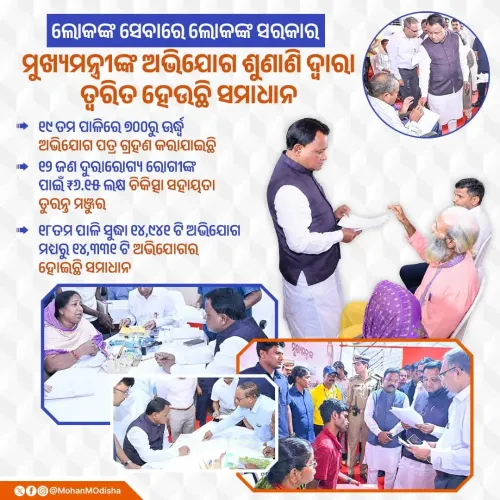
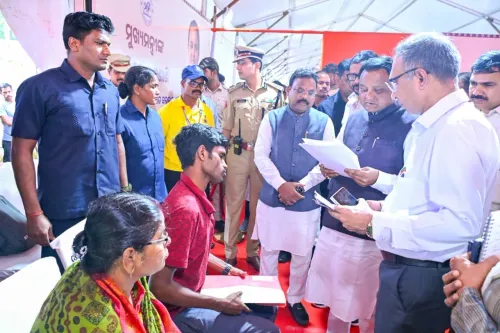
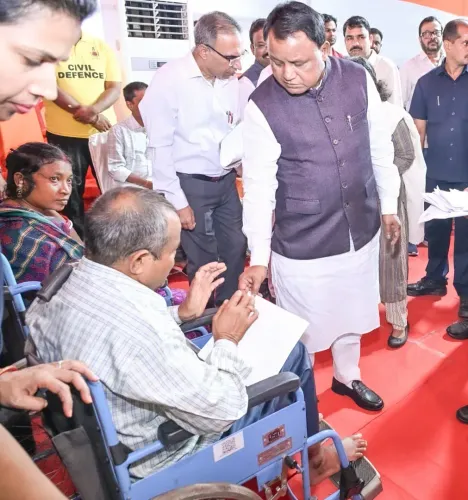
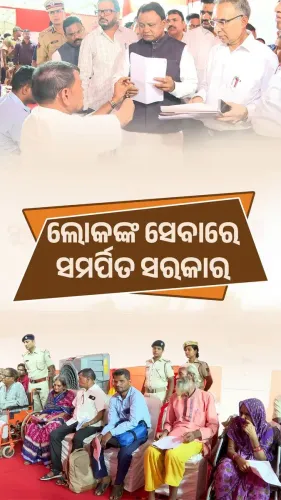
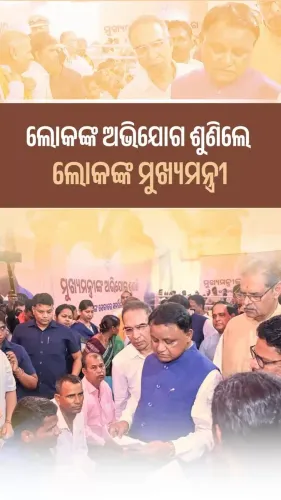
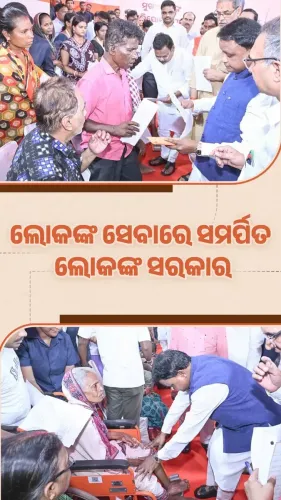
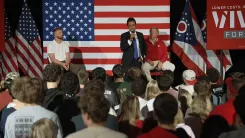
Chief Minister Mohan Charan Majhi, speaking at the Abhijoga Sunani programme on June 2, 2026, declared that public grievance hearings are now an inseparable part of Odisha's administrative system, reinforcing the BJP government's Lokan Sarkar commitment to swift citizen-complaint resolution.
Key Takeaways
CM Mohan Charan Majhi addressed the Abhijoga Sunani (Grievance Hearing) programme on June 2, 2026 .
He declared grievance hearing an 'inseparable part of the administrative system' under the Lokan Sarkar framework.
The BJP government, in power since June 2024 , has retained and rebranded Odisha's citizen grievance mechanisms from the previous BJD era.
The previous administration's Mo Sarkar initiative, launched in 2019 , laid the structural groundwork for institutionalised grievance redressal.
District administrations and block-level officers are the key implementing agencies for the programme.
Expansion to block and municipal levels and new collector guidelines are the immediate next steps to watch.
The Chief Minister's Office of Odisha announced on Tuesday, June 2, 2026, that Chief Minister Mohan Charan Majhi reaffirmed the state government's commitment to prioritising public service and swift resolution of citizen grievances, speaking at the Abhijoga Sunani (Grievance Hearing) programme.
Context
Addressing the Abhijoga Sunani programme, CM Majhi declared that grievance hearing has become 'an inseparable part of the administrative system' under the Lokan Sarkar (People's Government) framework. The CMO post, written in Odia, quoted him as saying: 'In the people's government, priority is given to the service of the people — all arrangements are being ensured for hearing public complaints and their swift resolution.'
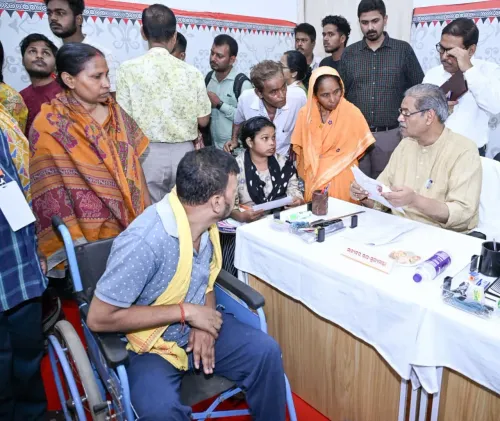
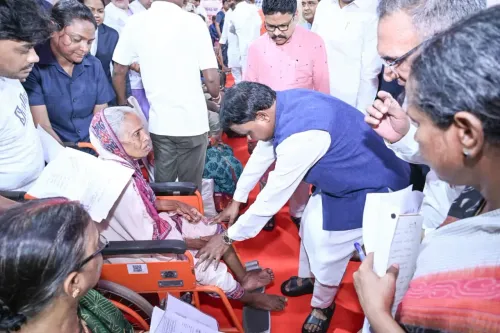
The Abhijoga Sunani programme institutionalises direct, in-person interaction between citizens and the state administration, giving residents a formal channel to raise unresolved complaints before senior officials.
Policy Backdrop
Odisha has maintained a structured citizen grievance architecture for over a decade. The previous government had launched the Mo Sarkar initiative in 2019 under the 5T framework — Transparency, Technology, Teamwork, Time and Transformation — to track service delivery and grievance redressal at the district and block levels.
When the BJP came to power in June 2024, ending 24 years of BJD rule, the new administration chose to retain and rebrand these citizen-centric mechanisms rather than dismantle them. The Lokan Sarkar branding now anchors the government's public-facing identity around responsiveness and accessibility.
Stakeholders and Impact
The primary beneficiaries are Odisha's general public, particularly citizens in rural and semi-urban areas who have historically faced delays in getting administrative complaints resolved. District administrations and block-level officers are the key implementing agencies responsible for conducting hearings and logging outcomes.
By elevating grievance hearing to a 'core administrative function,' the government signals accountability expectations downward through the bureaucratic chain, placing pressure on collectors and sub-divisional officers to demonstrate measurable disposal rates.
What's Next
Attention will now turn to whether the Abhijoga Sunani model is extended systematically to block and municipal levels across Odisha, and whether the state issues fresh guidelines to district collectors on timelines for complaint resolution. Any digitisation of the grievance log or public dashboard tracking disposal rates would mark a significant operational escalation of the programme.
The trajectory of this initiative will serve as an early test of the Majhi government's administrative credibility ahead of future electoral cycles in the state.
Point of View
Using the same administrative machinery it inherited. By branding grievance redressal under Lokan Sarkar rather than scrapping the older 5T architecture, the government is pursuing continuity with a new identity — a pragmatic choice that avoids administrative disruption while claiming ownership of outcomes. The real test will be whether disposal rates and citizen satisfaction improve measurably, or whether the programme remains a high-visibility ritual without systemic teeth. In the broader national context, institutionalised grievance hearings are increasingly a benchmark by which state governments are judged on the 'last-mile governance' standard.
NationPress
17 Oct 2026
Frequently Asked Questions
What is Abhijoga Sunani in Odisha?
Abhijoga Sunani is a public grievance hearing programme run by the Government of Odisha where citizens can formally present unresolved complaints before senior officials. Chief Minister Mohan Charan Majhi has described it as an inseparable part of the state's administrative system.
Who is Mohan Charan Majhi?
Mohan Charan Majhi is the Chief Minister of Odisha, a BJP leader who assumed office in June 2024 after his party ended 24 years of BJD rule in the state.
What is the Lokan Sarkar initiative in Odisha?
Lokan Sarkar, meaning 'People's Government,' is the branding under which the Majhi-led BJP government frames its citizen-centric governance agenda, including the Abhijoga Sunani grievance hearing programme.
What was Mo Sarkar and how does it relate to Abhijoga Sunani?
Mo Sarkar was a grievance redressal and service delivery initiative launched in 2019 by the previous BJD government under the 5T framework. The current BJP administration has retained this administrative infrastructure and rebranded it under the Lokan Sarkar identity, with Abhijoga Sunani as its public-facing component.
How can Odisha citizens file a grievance with the government?
Citizens can raise complaints through the Abhijoga Sunani programme, which provides formal hearings at the district and administrative levels. The government has indicated that arrangements are being ensured for swift resolution of all public complaints submitted through this channel.