CM Majhi Holds 18th Grievance Hearing, 96% Resolution Rate
Synopsis
Chief Minister Mohan Majhi held Odisha's 18th public grievance hearing on June 1, 2026, receiving over 600 complaints, meeting 30 differently-abled citizens, and approving Rs 3.60 lakh in medical aid. Across 17 prior phases, 96 per cent of complaints have been resolved; district-level hearings show a 92 per cent resolution rate over two years.
Key Takeaways
18th phase of CM Majhi's grievance hearing held on June 1, 2026 , with 600-plus complaints received online and offline.
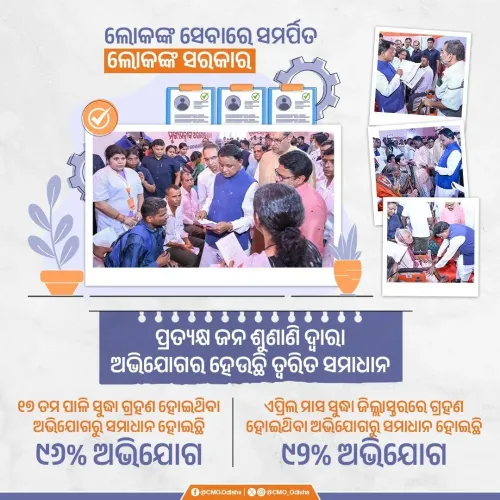
96 per cent of complaints from the first 17 phases have been resolved at the state level.
At the district level, 2.40 lakh complaints were heard over two years with a 92 per cent resolution rate.
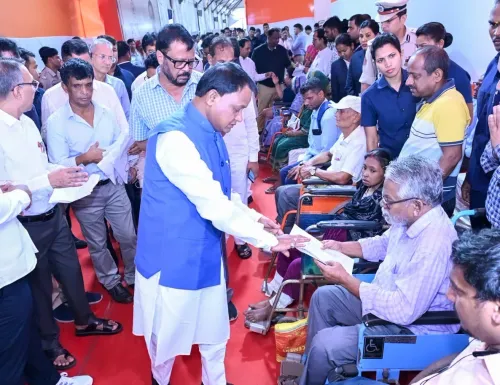
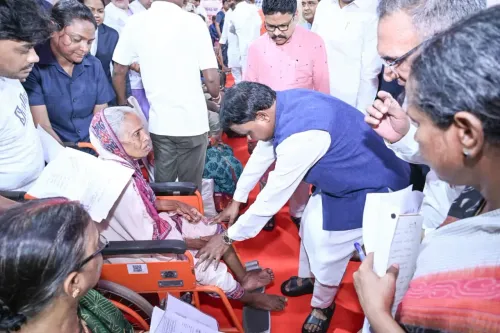
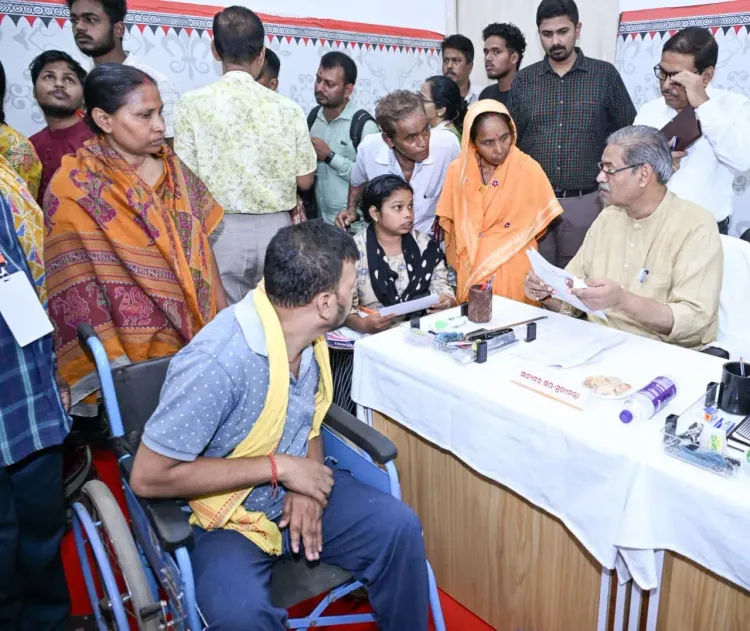
30 differently-abled and chronically ill citizens met the Chief Minister directly; officials directed to act immediately.
Rs 3.60 lakh in medical assistance approved on the spot for 13 seriously ill complainants via the Single Window System.
13 ministers , the Additional Chief Secretary, and senior secretaries participated alongside the Chief Minister.
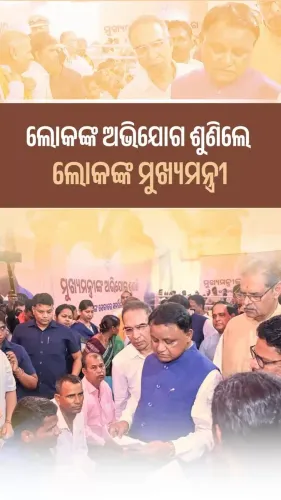
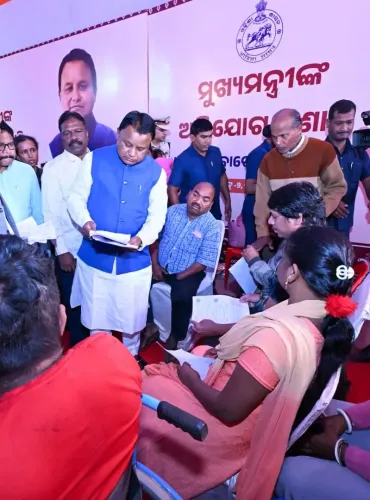
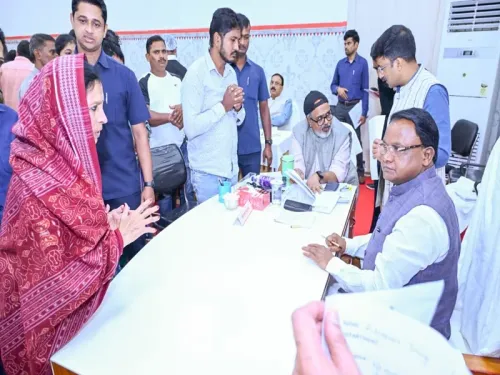
The Chief Minister's Office of Odisha announced on Monday, June 1, 2026, that Chief Minister Mohan Charan Majhi presided over the 18th edition of his public grievance hearing programme, receiving over 600 complaints through both online and offline channels and approving Rs 3.60 lakh in medical assistance for ailing citizens on the spot.
What Happened
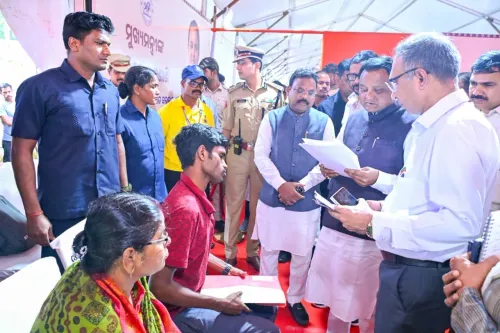
The hearing saw CM Majhi joined by 13 ministers, the Additional Chief Secretary, and senior administrative officials who collectively listened to public complaints. The Chief Minister personally met 30 differently-abled and chronically ill individuals, received their petitions, and directed officials present to take immediate action. Separately, medical assistance of Rs 3.60 lakh was sanctioned through the Chief Minister Single Window System for approximately 13 complainants suffering from serious illnesses.
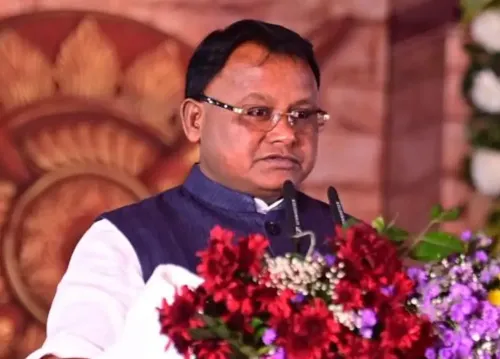
Majhi stated: 'Bartaman abhiyoga shunani prashasanik byabasthara eka abhinnya anga paltiachhi' — 'Grievance hearings have now become an inseparable part of the administrative system.'
Context
The grievance hearing programme has now completed 18 phases at the state level. Across the first 17 phases, 96 per cent of complaints received have been resolved, according to the Chief Minister's Office. At the district level, over 2.40 lakh complaints were heard within two years, with a resolution rate of 92 per cent.
The programme integrates both digital and in-person submission channels, reflecting a model that successive Odisha administrations have refined since the Mo Sarkar initiative launched in 2019, which institutionalised direct citizen-government feedback loops across the state.
Policy Backdrop
Structured public grievance redressal with fixed hearing schedules and measurable resolution targets has become a defining feature of administrative reform across several Indian states. Odisha's approach — combining the Chief Minister's direct participation with senior bureaucratic presence — is designed to signal accountability at the highest level of government.
The Chief Minister Single Window System for medical assistance streamlines welfare disbursement by enabling on-the-spot sanctions, reducing the lag between a citizen's petition and the release of funds. This is particularly significant for differently-abled persons and those with chronic or terminal illnesses who may lack the resources to navigate multi-agency processes.
Stakeholders and Impact
The immediate beneficiaries of the 18th hearing include the 600-plus complainants whose petitions were formally received, and the 13 individuals who received medical aid totalling Rs 3.60 lakh. The 30 differently-abled and seriously ill citizens who met the Chief Minister directly represent a category that the programme has consistently prioritised for personal attention.
Broader beneficiaries include district-level petitioners covered under the parallel grievance system, where 2.40 lakh hearings over two years suggest a significant volume of citizen-state interaction that would otherwise pass through slower bureaucratic channels.
What's Next
With the programme now in its 18th phase and resolution metrics publicly tracked, the focus will shift to whether disbursement outcomes and resolution rates are independently audited and whether the Single Window medical assistance scheme receives a budgetary expansion to cover a larger pool of applicants. The frequency and scale of future phases will be a key indicator of whether this model deepens as a permanent governance institution or plateaus as a periodic event.
Point of View
With a publicly stated 96 per cent resolution rate, reflects a deliberate effort by the BJP-led Odisha government to institutionalise accountability as a visible political asset. By personally meeting differently-abled and chronically ill citizens and sanctioning medical aid on the spot, Majhi is reinforcing a welfare-first image that builds on — while seeking to distinguish itself from — the previous administration's 'Mo Sarkar' framework. The integration of online and offline channels and district-level scale suggests the programme has moved beyond optics into a functional administrative layer. Whether independent verification of resolution rates follows will determine if this becomes a durable governance benchmark or remains a managed metric.
NationPress
17 Oct 2026
Frequently Asked Questions
What is CM Majhi's grievance hearing programme in Odisha?
It is a structured public complaint redressal programme where Chief Minister Mohan Majhi, along with ministers and senior officials, directly hears citizen grievances at regular intervals. As of June 2026, it has completed 18 phases at the state level.
What is the resolution rate of Odisha's CM grievance hearings?
According to the Chief Minister's Office, 96 per cent of complaints received across the first 17 phases have been resolved. At the district level, 92 per cent of 2.40 lakh complaints heard over two years have been resolved.
What is the Chief Minister Single Window System for medical assistance?
It is a state mechanism that allows on-the-spot approval of financial aid for citizens with serious medical conditions. During the 18th hearing, Rs 3.60 lakh was sanctioned for 13 complainants through this system.
How many complaints were received in the 18th grievance hearing?
Over 600 complaints were received through both online and offline channels during the 18th phase of CM Majhi's grievance hearing held on June 1, 2026.
What is Odisha's Mo Sarkar initiative?
'Mo Sarkar' is a citizen-government interface programme launched in 2019 to institutionalise grievance redressal and direct feedback mechanisms in Odisha's administration. The current grievance hearing programme builds on that framework.