Odisha CMO: 96% grievances resolved via Jan Sunani
Synopsis
The Chief Minister's Office of Odisha reported on 1 June 2026 that 96% of complaints received through the 17th phase of Sidhasankha Jan Sunani and 92% of district-level grievances up to April have been resolved, underlining the state's commitment to transparent and accountable administration.
Key Takeaways
The Chief Minister's Office of Odisha posted grievance resolution data on 1 June 2026 .
96% of complaints received up to the 17th phase of Sidhasankha Jan Sunani have been successfully resolved.
92% of district-level grievances filed up to April have been resolved.
The programme aims to make administration more transparent, faster, and accountable through direct public hearings.
The initiative builds on Odisha 's Mo Sarkar framework launched in 2019 to institutionalise citizen-responsive governance.
Subsequent phase-wise data releases and independent audits of outcome quality are anticipated.
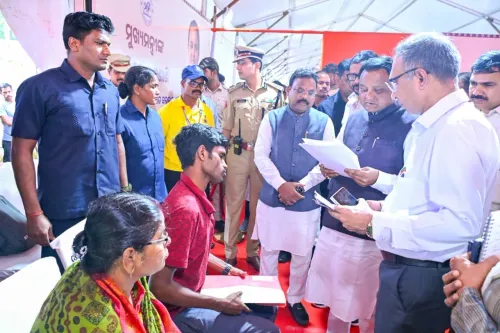
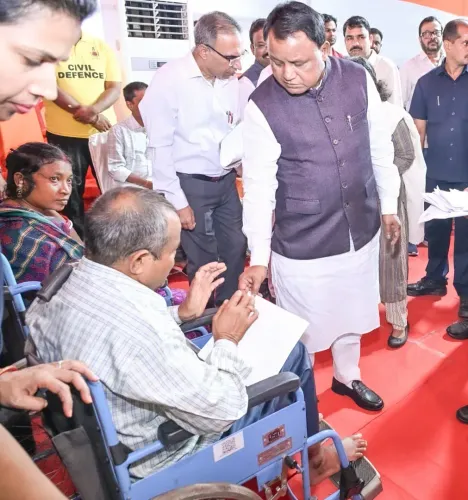
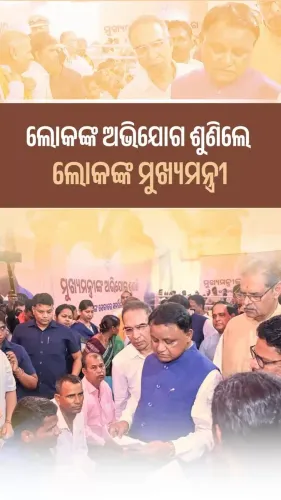
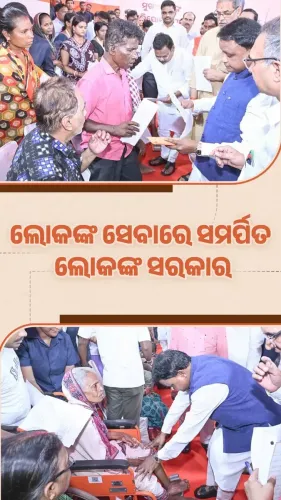
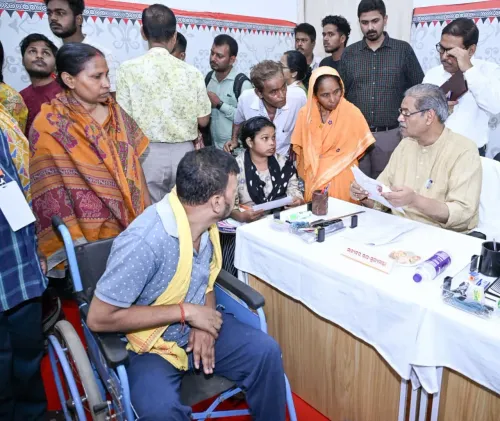
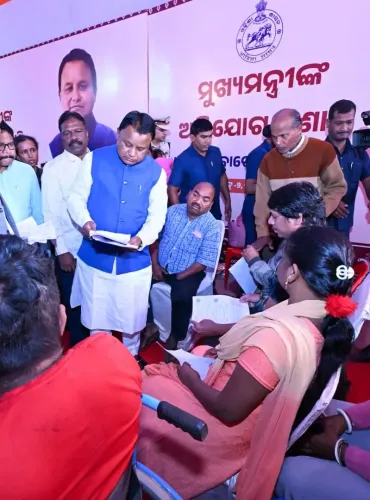
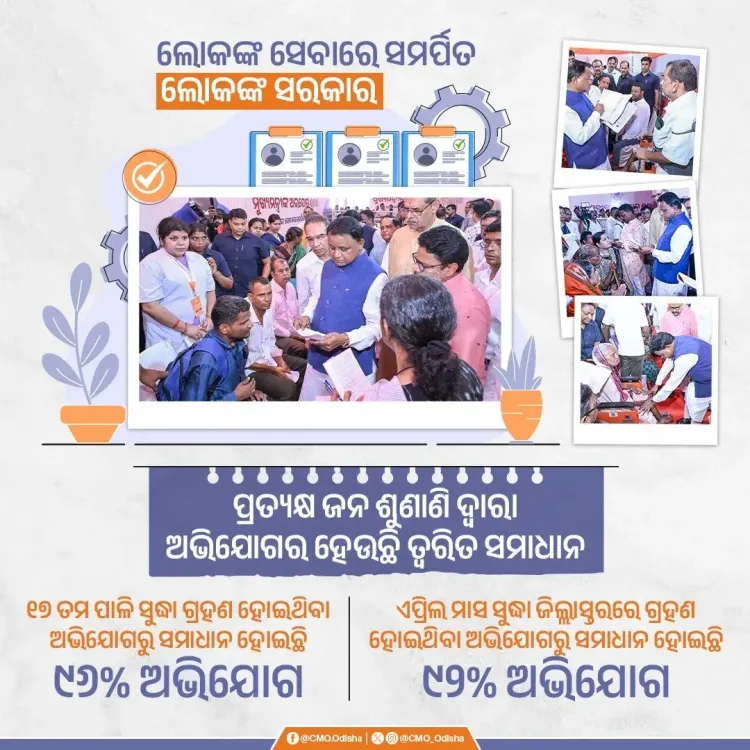
The Chief Minister's Office of Odisha on Monday, 1 June 2026, highlighted the performance of the state's direct public hearing programme, stating that swift resolution of every complaint through Sidhasankha Jan Sunani remains the top priority of the people's government — and that the initiative has made administration more transparent, faster, and accountable.
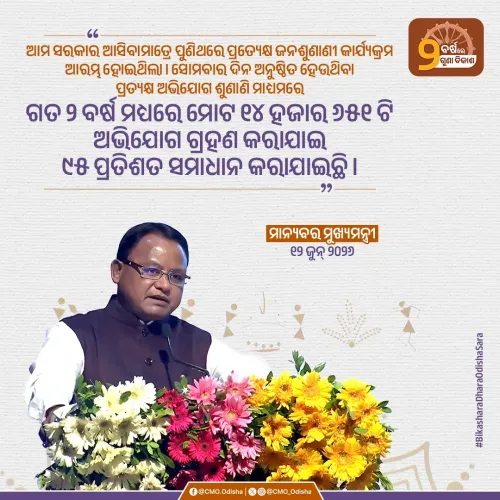
Posting in Odia, the CMO stated: 'ସିଧାସଳଖ ଜନ ଶୁଣାଣି ମାଧ୍ୟମରେ ପ୍ରତ୍ୟେକ ଅଭିଯୋଗର ତ୍ୱରିତ ସମାଧାନ' ('Swift resolution of every complaint through direct public hearing') is the government's foremost commitment. The post further disclosed that 96% of complaints received up to the 17th phase and 92% of district-level complaints up to April have been successfully resolved.
Context
The Sidhasankha Jan Sunani programme is Odisha's structured direct public hearing mechanism, designed to give citizens a direct channel to raise grievances before senior officials and receive time-bound responses. The initiative is part of the state government's broader push to institutionalise responsive governance across all administrative tiers. The CMO's post frames the programme not merely as a grievance window but as a systemic reform that has reshaped how the administration engages with the public.Policy Backdrop
The roots of Odisha's grievance-redressal architecture go back to the Mo Sarkar initiative launched in 2019, which sought to make government functionaries directly accountable to citizens by tracking service delivery outcomes and conducting feedback calls. Sidhasankha Jan Sunani builds on that foundation by adding a structured, phase-wise public hearing component. This approach aligns with national e-governance frameworks such as CPGRAMS (Centralised Public Grievance Redress and Monitoring System), which Indian states have been encouraged to complement with local, citizen-facing mechanisms. Across India, states have increasingly adopted formal public hearing and grievance-tracking systems to meet rising citizen expectations of transparency and accountability. Odisha's phase-wise tracking model — which allows resolution rates to be measured and published periodically — represents a data-driven approach to public administration that is gaining traction at the state level.Stakeholders and Impact
The primary beneficiaries are ordinary citizens of Odisha who bring complaints ranging from land records and welfare scheme access to local infrastructure grievances. District administrations across the state serve as the operational backbone of the programme, handling the bulk of complaints at the local level. The 92% district-level resolution rate up to April suggests that the decentralised model is functioning at scale, though independent audits of outcome quality have not yet been publicly released. Officials at the district and sub-divisional level are directly evaluated on resolution performance, creating an internal accountability loop that the state government has cited as a driver of the high clearance rates.What's Next
The government's disclosure of phase-wise data through the 17th phase signals that subsequent rounds will continue to be tracked and published, keeping public pressure on administrators to maintain or improve resolution rates. Observers will watch for release of 18th phase data and any independent assessment of whether resolved complaints translate into durable outcomes for petitioners. The broader test for the programme will be whether the high resolution percentages reflect substantive redressal or procedural closure — a distinction that citizen feedback mechanisms and third-party audits could help clarify in the months ahead.Point of View
If verified by independent audit, would place Odisha among the more data-driven state grievance systems in India. However, the critical gap remains the quality of resolution: high closure rates do not automatically mean substantive redressal, and the absence of third-party verification leaves room for scepticism. The broader arc here is one of competitive governance — states are increasingly using grievance metrics as political capital, which itself creates an incentive to improve real outcomes.
NationPress
15 Oct 2026
Frequently Asked Questions
What is Sidhasankha Jan Sunani in Odisha?
Sidhasankha Jan Sunani is a direct public hearing programme run by the Government of Odisha that allows citizens to present grievances before senior officials for time-bound resolution, aimed at making administration more transparent and accountable.
What is the grievance resolution rate under Jan Sunani Odisha?
According to the Chief Minister's Office of Odisha, 96% of complaints received up to the 17th phase of the programme and 92% of district-level complaints up to April have been successfully resolved.
What is Mo Sarkar Odisha?
Mo Sarkar is a governance initiative launched in Odisha in 2019 to make government officials directly accountable to citizens through service delivery tracking and citizen feedback, forming the policy foundation on which Jan Sunani was built.
How does Odisha track public grievances?
Odisha uses a phase-wise public hearing model under Sidhasankha Jan Sunani, where complaints are logged and tracked at both state and district levels, with resolution rates published periodically by the Chief Minister's Office.
What is CPGRAMS and how does it relate to Odisha's grievance system?
CPGRAMS is the Central Government's Centralised Public Grievance Redress and Monitoring System; Odisha's Jan Sunani programme complements this national framework by providing a localised, direct public hearing mechanism tailored to the state's administrative structure.