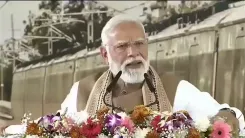
CM Majhi puts citizen grievance redressal at top of Odisha agenda
Synopsis
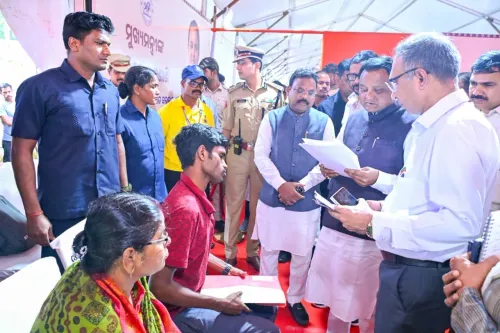
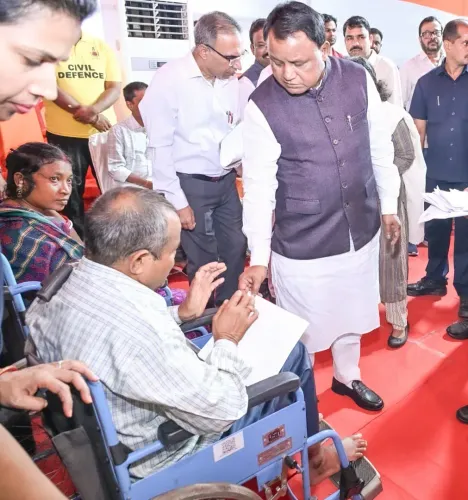
Odisha Chief Minister Mohan Charan Majhi declared on June 2, 2026 that resolving citizens' problems is his government's foremost priority, pointing to a direct public hearing mechanism that aims to deliver swift grievance redressal and ensure justice for ordinary residents.
Key Takeaways
CM Mohan Charan Majhi stated on June 2, 2026 that resolving people's problems is the first priority of the Odisha government.
The government is using a direct public hearing ( pratyaksha jan shunani ) format to address citizen grievances outside routine bureaucratic channels.
The initiative promises swift resolution of complaints and aims to ensure justice for ordinary citizens.
The BJP formed its first Odisha government in June 2024 , ending over two decades of Biju Janata Dal rule.
District-level rollout data and grievance disposal reports are expected to be released in coming months.
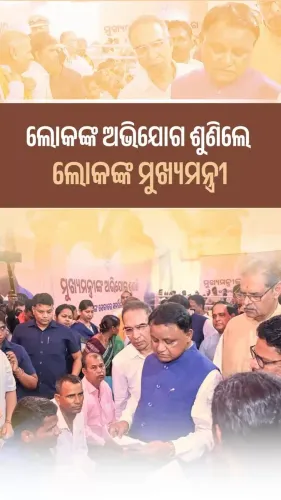
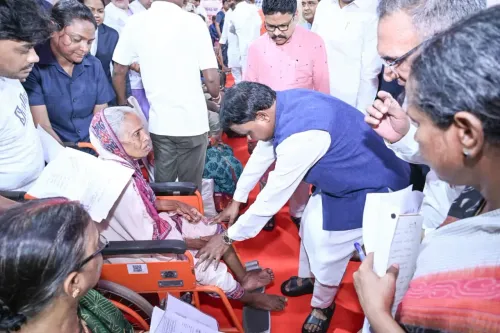
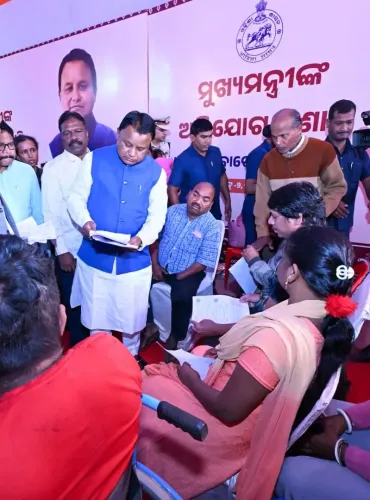
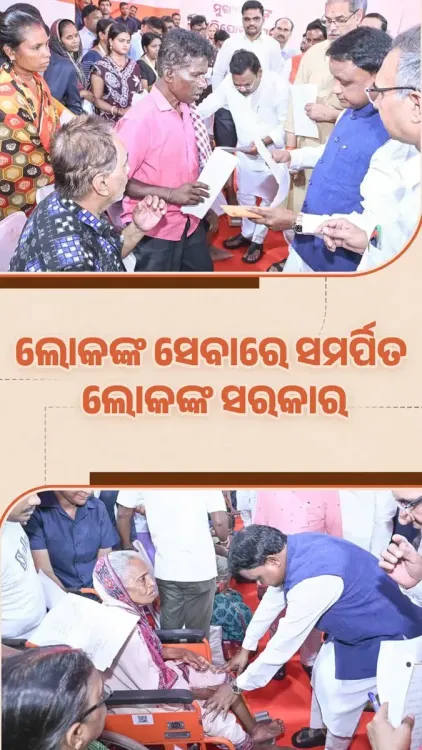
Odisha Chief Minister Mohan Charan Majhi on Tuesday, June 2, 2026, reaffirmed that resolving the problems of ordinary citizens is the foremost priority of his government, highlighting a direct public hearing mechanism as the instrument for delivering swift justice at the grassroots level.
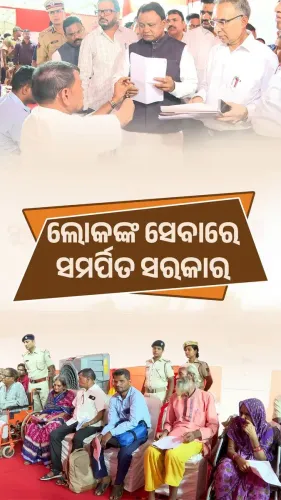
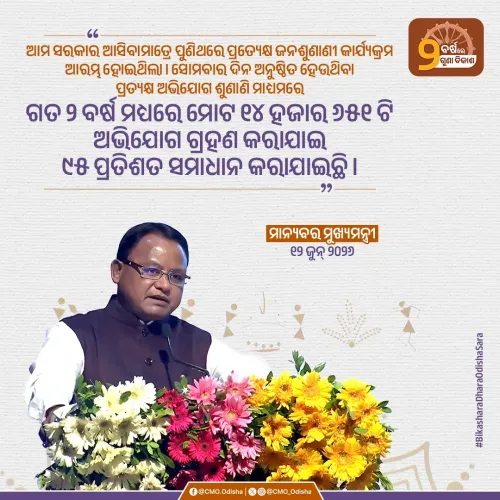
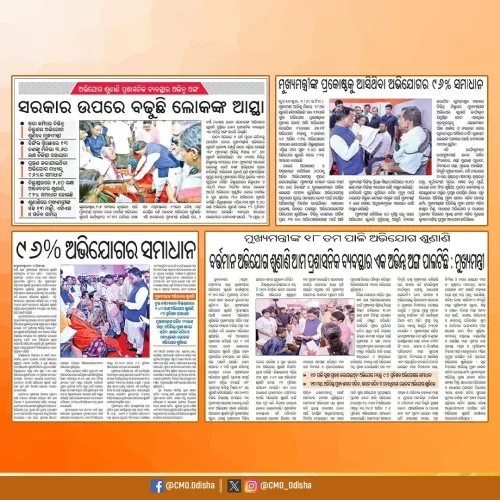
Posting in Odia, the Chief Minister wrote: 'ଲୋକଙ୍କ ସମସ୍ୟାର ସମାଧାନ ହିଁ ଆମ ସରକାରଙ୍କ ପ୍ରଥମ ପ୍ରାଥମିକତା' — 'Resolving the problems of the people is the first priority of our government.' He added that through direct public hearings, the grievances of common people are being addressed swiftly and justice is being ensured.
Context
The Bharatiya Janata Party formed its first-ever government in Odisha in June 2024, ending more than two decades of Biju Janata Dal rule in the state. From the outset, the Majhi administration identified responsive governance and direct citizen engagement as defining commitments of its tenure. The direct public hearing initiative is presented as a visible, accessible channel through which residents can bring complaints directly to official attention, bypassing the slower pace of formal bureaucratic processes.
Policy Backdrop
Direct public hearing formats — often called jan sunwai or jan shunani — have a long history across Indian states as a tool for projecting administrative openness. Several BJP-governed states have employed similar mechanisms, positioning the chief minister or senior officials as directly approachable by ordinary citizens. For the Majhi government, adopting this model signals continuity with a broader party-wide emphasis on 'last-mile' governance and accountability. The post's reference to 'swift resolution' and 'ensured justice' frames the hearings not merely as a listening exercise but as an action-oriented grievance disposal system.
Stakeholders and Impact
The primary beneficiaries of the mechanism are ordinary Odia citizens — particularly those in rural and semi-urban areas who may lack the means or familiarity to navigate formal administrative or judicial channels. By creating a direct interface between the public and the government, the initiative also carries political significance: it allows the BJP's first Odisha government to demonstrate tangible responsiveness ahead of future electoral cycles. Civil society groups and local administrators are secondary stakeholders, as the effectiveness of the hearings ultimately depends on follow-through at the district level.
What's Next
The scale and operational details of the public hearing mechanism are yet to be formally documented in the public domain. Observers will watch for district-level rollout data and periodic grievance disposal reports that the state government is expected to release in the coming months. The consistency and volume of cases resolved will determine whether the initiative becomes a structural pillar of the Majhi administration's governance model or remains a periodic outreach exercise.
Point of View
He is drawing a contrast with the long-standing BJD era and establishing a distinct identity for the BJP's debut in Odisha's executive. The direct public hearing format is a well-worn instrument in the BJP's state-level playbook, giving the party a visible, photogenic accountability mechanism that doubles as political outreach. The real test will come when independent data on case disposal rates is available — without that, the initiative risks being perceived as performative rather than structural. If the Majhi government can publish credible resolution statistics, it could meaningfully shift public perception of administrative responsiveness in the state.
NationPress
16 Oct 2026
Frequently Asked Questions
What is Odisha CM Mohan Majhi's direct public hearing initiative?
It is a grievance redressal mechanism introduced by the Majhi government in which ordinary citizens can present their complaints directly to officials, bypassing slower formal bureaucratic processes, with the stated aim of achieving swift resolution and ensuring justice.
Why did Mohan Majhi post about citizen grievances on June 2 2026?
CM Majhi used the post to reaffirm that resolving people's problems is the first priority of his government, highlighting the direct public hearing as the key tool for delivering on that commitment.
When did the BJP first come to power in Odisha?
The BJP formed its first government in Odisha in June 2024 after winning the state assembly elections, ending more than two decades of Biju Janata Dal rule under Naveen Patnaik.
What is a jan sunwai and how does it work in Indian states?
A jan sunwai, or direct public hearing, is a format used by state governments across India where citizens can voice complaints directly to senior officials or the chief minister, with the aim of resolving issues outside the regular administrative or judicial system.
What should citizens watch for to assess the success of Odisha's grievance redressal programme?
District-level rollout data and periodic grievance disposal reports from the state government will be the key indicators of whether complaints are being resolved at scale and whether the initiative is delivering on its promise of swift justice.