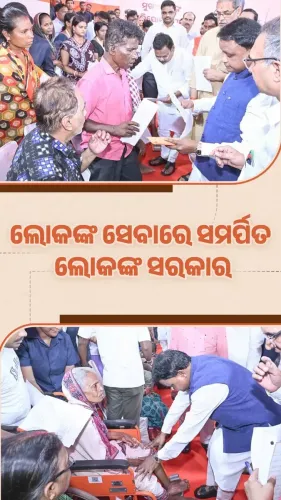
CM Majhi Chairs Jan Sunani Grievance Hearing in Bhubaneswar
Synopsis
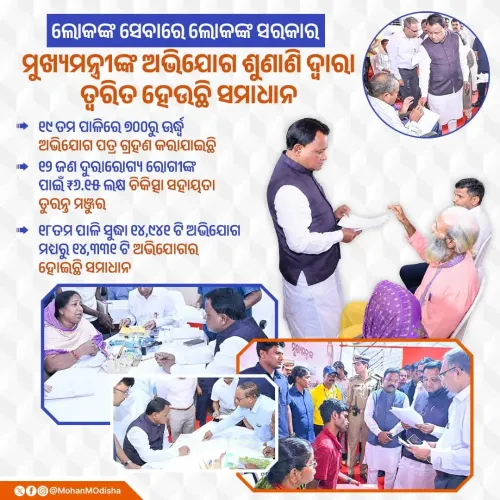
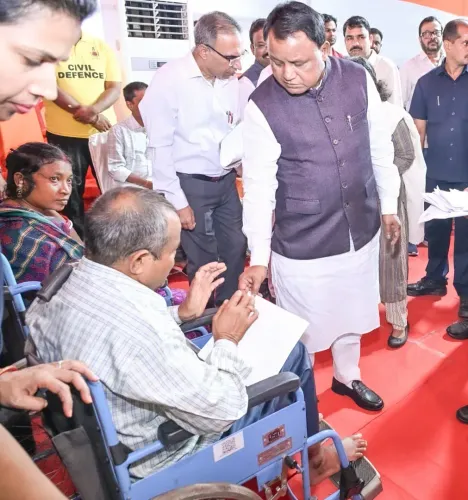
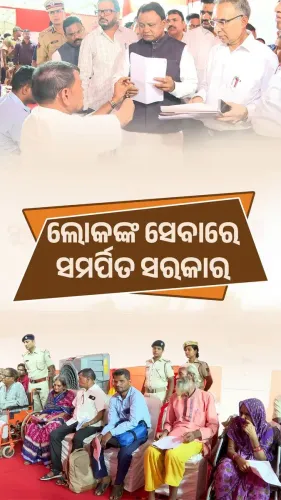
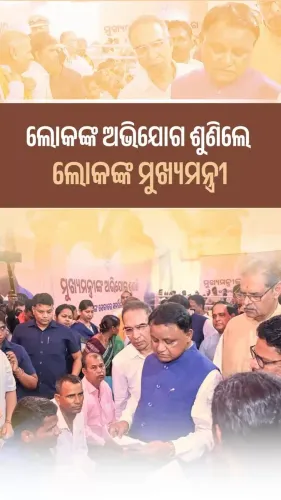
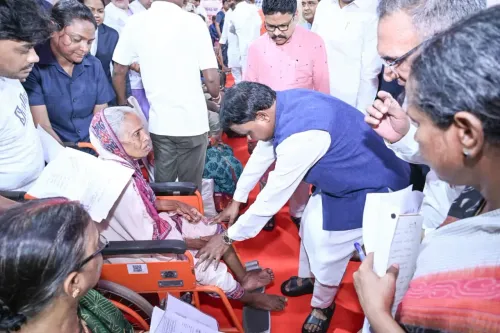
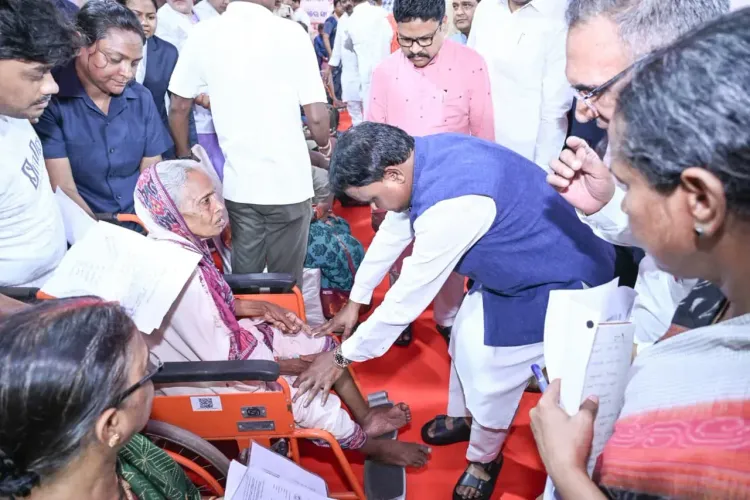
Odisha Chief Minister Mohan Charan Majhi on June 1, 2026, personally chaired a Jan Sunani public grievance hearing at the CM Grievance Cell in Bhubaneswar, listening to citizens from across the state and directing departmental officials to resolve complaints swiftly under his government's push for transparent, accountable administration.
Key Takeaways
CM Mohan Charan Majhi personally presided over the Jan Sunani hearing at the Chief Minister's Grievance Cell, Unit-2, Bhubaneswar on June 1, 2026 .
Citizens from 'various parts of Odisha ' attended the session to present grievances directly to the Chief Minister.
The CM issued 'firm instructions' to concerned departmental officials for 'early resolution and delivery of justice' to each petitioner.
The Majhi government has stated it has made the grievance hearing process 'faster and simpler' since taking office in June 2024 .
The initiative builds on the Odisha Right to Public Services Act, 2012 , which mandated time-bound government service delivery.
The CM confirmed the Jan Sunani programme will continue as an ongoing governance mechanism.
Odisha Chief Minister Mohan Charan Majhi on Monday, June 1, 2026, personally presided over a public grievance hearing — Jan Sunani — at the Chief Minister's Grievance Cell, Unit-2, Bhubaneswar, listening to complaints from citizens who had travelled from across the state. The CM directed departmental officials to resolve each grievance promptly and assured that the government's commitment to transparent, accountable administration would continue.
Context
Posting in Odia on X (formerly Twitter), CM Majhi stated: 'ସରକାର ଓ ଜନତାଙ୍କ ମଧ୍ୟରେ ଥିବା ବ୍ୟବଧାନକୁ ଦୂର କରି, ବ୍ୟବସ୍ଥାକୁ ସିଧାସଳଖ ଆପଣଙ୍କ ପାଖରେ ପହଞ୍ଚାଇବା ପାଇଁ ଆମେ ପ୍ରତିଶ୍ରୁତିବଦ୍ଧ' ('We are committed to bridging the gap between government and the people, and bringing the system directly to you'). He added that the grievance hearing process under his government has been made 'faster and simpler', and that the administration is 'continuously working to reduce the distance between governance and the people through Jan Sunani.'
The CM noted that he personally listened to the problems of 'brothers and sisters from various parts of the state' and issued 'firm instructions to concerned departmental officials for early resolution and delivery of justice to each petitioner.'
Policy Backdrop
Odisha has a structured legislative foundation for grievance redressal: the Odisha Right to Public Services Act, 2012, mandated time-bound delivery of government services and laid the groundwork for citizen-facing accountability mechanisms. The Jan Sunani model — direct public hearings at the Chief Minister's level — builds on this framework by adding an executive layer of real-time complaint resolution.
Following the BJP's landmark assembly election victory in 2024 — the party's first in Odisha — the new government announced reforms to existing grievance mechanisms to make them more responsive. CM Majhi, who took office in June 2024 as the state's first BJP Chief Minister, has positioned these hearings as a signature governance initiative of his administration.
Stakeholders and Impact
The primary beneficiaries are ordinary citizens — particularly those from rural and semi-urban Odisha — who face barriers in accessing state services or resolving disputes with government departments. By holding hearings at the Chief Minister's Grievance Cell in Bhubaneswar, the government creates a direct escalation channel that bypasses slower district-level bureaucracy.
Departmental officials across line ministries are the key implementing actors, as they receive direct instructions from the Chief Minister's office during these sessions. The model also carries a symbolic accountability signal: that senior leadership is personally monitoring grievance outcomes, which can influence bureaucratic responsiveness down the chain.
What's Next
The effectiveness of the June 2026 hearing will ultimately be measured by resolution rates and the speed with which departmental orders translate into on-ground outcomes for petitioners. Analysts and civil society groups in Odisha have flagged the need for publicly disclosed resolution data to validate the initiative's impact beyond the hearing itself.
CM Majhi's post signals that such hearings will be held on a continuing basis, pointing to a possible institutionalisation of the Jan Sunani format. Whether the state government moves to formalise the simplified process through executive orders or fresh legislation will be a key indicator of how deeply the reform is intended to take root.
Point of View
People-first leadership. The continuity of the Jan Sunani format from earlier Odisha governments, now rebranded under a faster-and-simpler mandate, suggests institutional durability but also raises the question of whether procedural reforms will be matched by measurable outcomes. The real test will be whether resolution data is made public, which would shift the initiative from optics to verifiable accountability.
NationPress
15 Oct 2026
Frequently Asked Questions
What is Jan Sunani in Odisha?
Jan Sunani is a public grievance hearing mechanism in Odisha where citizens can present complaints directly to senior government officials, including the Chief Minister, for resolution. The programme is held at the Chief Minister's Grievance Cell in Bhubaneswar.
Where is the Chief Minister's Grievance Cell in Bhubaneswar?
The Chief Minister's Grievance Cell is located at Unit-2, Bhubaneswar, Odisha. It serves as the primary office for receiving and processing public complaints under the state government's grievance redressal framework.
Who is the Chief Minister of Odisha in 2026?
Mohan Charan Majhi is the Chief Minister of Odisha. He took office in June 2024 as the state's first BJP Chief Minister following the party's assembly election victory.
What did CM Majhi do at the June 2026 grievance hearing?
CM Majhi personally listened to complaints from citizens who had come from different parts of Odisha and issued firm instructions to departmental officials to resolve each grievance promptly and deliver justice to petitioners.
What law governs public service grievances in Odisha?
The Odisha Right to Public Services Act, 2012, mandates time-bound delivery of government services and forms the legislative backbone for grievance redressal in the state. The Jan Sunani hearings operate as an executive complement to this framework.