CM Majhi Holds Grievance Redressal Session in Bhubaneswar
Synopsis
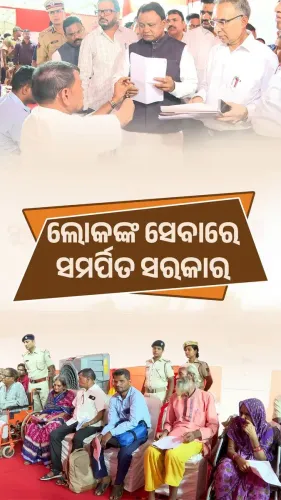
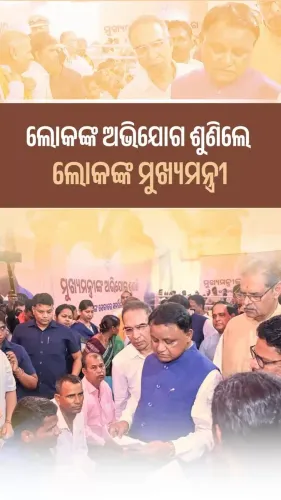
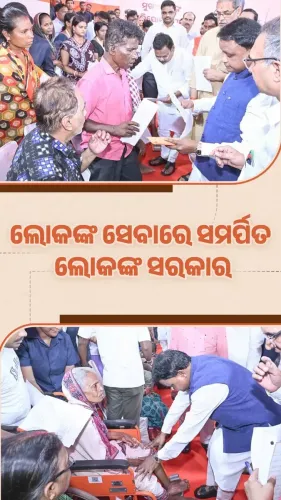
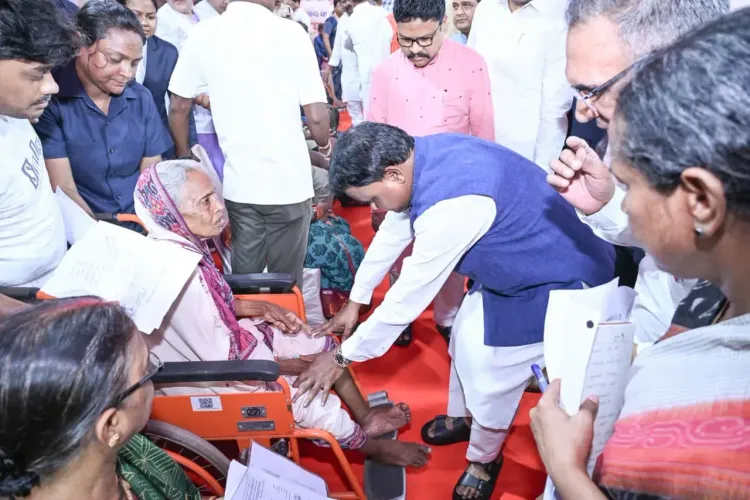
Chief Minister Mohan Charan Majhi personally heard citizen grievances at a redressal programme in Bhubaneswar on 1 June 2026. Ministers and senior officials from various departments attended. Majhi stressed timely resolution of every complaint raised by citizens from across Odisha.
Key Takeaways
CM Mohan Charan Majhi personally presided over a public grievance redressal programme in Bhubaneswar on 1 June 2026 .
Citizens from different parts of Odisha directly apprised the Chief Minister of their concerns.
Ministers and senior officials from multiple departments were present to enable direct routing of complaints.
The Chief Minister stressed the importance of timely resolution of all grievances received.
The programme reflects a hands-on, citizen-first governance approach by the Odisha CMO .
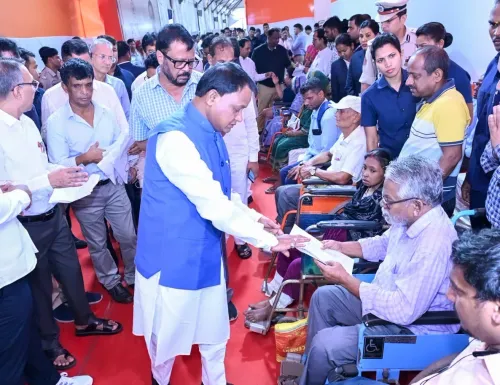
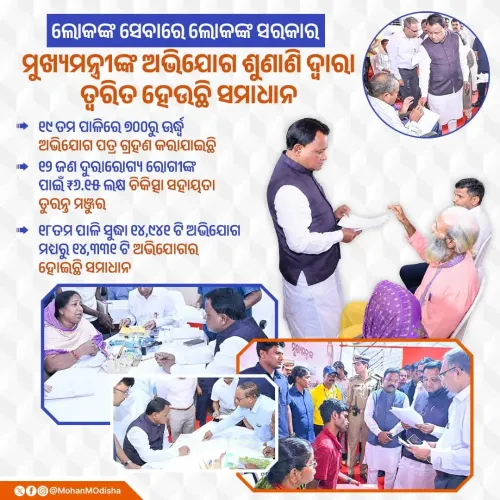
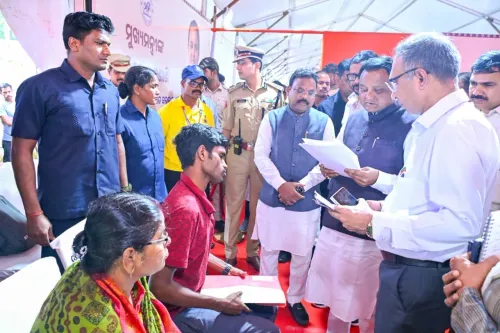
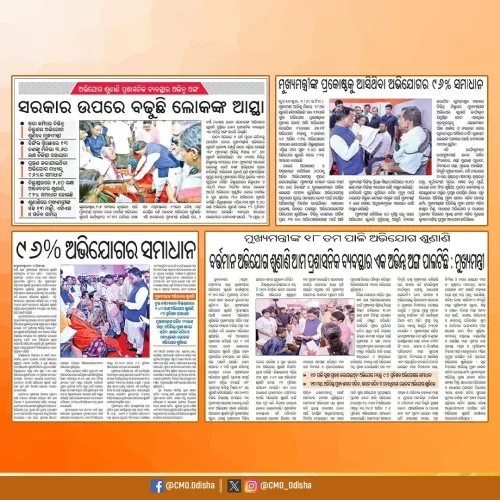
The Chief Minister's Office of Odisha announced on Monday, 1 June 2026, that Chief Minister Shri Mohan Charan Majhi personally heard public grievances at a formal grievance redressal programme held in Bhubaneswar, underscoring his administration's commitment to citizen-centric governance. Ministers and senior officials from multiple departments were present at the event.
Context
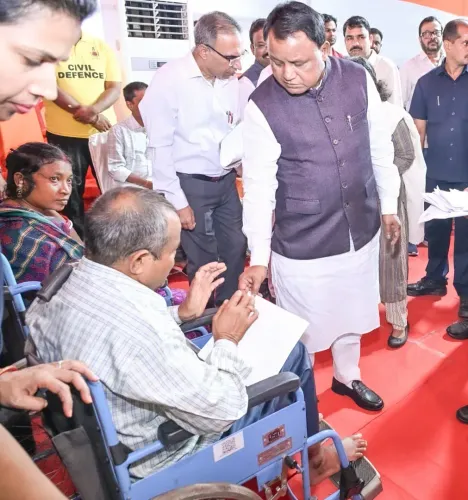
The grievance hearing session saw citizens from different parts of Odisha directly apprising the Chief Minister of their concerns. CM Majhi listened to each complaint individually and stressed that all necessary measures must be taken to ensure timely resolution of every grievance raised.
The CMO's post, written in both Odia and English, stated that the Chief Minister 'stressed the need to ensure all necessary measures for the timely resolution of grievances,' signalling a hands-on approach to public administration.
Policy Backdrop
Grievance redressal programmes — where a sitting Chief Minister or senior executive directly hears citizen complaints — are a recurring feature of governance in several Indian states, aimed at cutting through bureaucratic delays. Such 'Jan Sunwai' or public hearing formats have historically been used to signal administrative accountability and direct access to the highest office.
Odisha has maintained structured grievance mechanisms at the state level for several years. The direct participation of the Chief Minister, alongside departmental ministers and officials in a single forum, is intended to enable on-the-spot decisions and inter-departmental coordination for faster resolution.
Stakeholders and Impact
Citizens who attended the programme represent a cross-section of Odisha's population, bringing forward issues that may span land records, welfare entitlements, public infrastructure, and local administration. The presence of ministers and senior officials from various departments means grievances can be routed directly to the relevant authority without additional procedural steps.
For ordinary residents — particularly those from rural or semi-urban areas who travelled to Bhubaneswar — direct access to the Chief Minister represents a significant departure from standard bureaucratic channels. The format also puts public pressure on officials to act visibly and swiftly.
What's Next
The Chief Minister's emphasis on ensuring 'all necessary measures' for resolution suggests that follow-up action from concerned departments is expected in the near term. Such programmes typically result in a formal tracking mechanism for each registered complaint, with officials held accountable for outcomes within a stipulated timeframe.
Whether this grievance session becomes a regular fixture in CM Majhi's administrative calendar will be closely watched, as the frequency and outcomes of such programmes are often cited as indicators of an administration's responsiveness to the public.
Point of View
Responsive governance — a politically useful posture for any state administration seeking to differentiate itself from bureaucratic inertia. The tagging of the Prime Minister's Office in the CMO's post hints at an intent to align this initiative with the Centre's broader 'ease of living' and citizen-service narrative. Grievance redressal formats that involve the Chief Minister directly are high-visibility but also high-accountability exercises; their credibility ultimately depends on the follow-through rate on complaints. If institutionalised, such sessions could become a meaningful feedback loop between the state government and its citizens.
NationPress
15 Oct 2026
Frequently Asked Questions
What happened at CM Majhi's grievance redressal programme in Bhubaneswar?
Chief Minister Mohan Charan Majhi personally heard public grievances from citizens at a formal grievance redressal programme held in Bhubaneswar on 1 June 2026. Ministers and senior officials from various departments were present to ensure complaints could be addressed across departments.
Who attended the Odisha grievance redressal programme on 1 June 2026?
Apart from CM Mohan Charan Majhi, ministers and senior officials from multiple government departments of Odisha attended the programme. Citizens from different parts of the state were also present to raise their concerns directly.
What did CM Majhi say about resolving public grievances?
CM Majhi stressed the need to ensure all necessary measures are taken for the timely resolution of every grievance raised by citizens during the programme.
How often does the Odisha CM hold grievance redressal sessions?
The Odisha CMO has not specified a fixed schedule for such sessions. Whether this format becomes a regular feature of CM Majhi's administration is yet to be confirmed.
What is a grievance redressal programme in the context of Indian state governance?
A grievance redressal programme is a structured public forum where citizens can directly present complaints to senior government officials or the Chief Minister. It is designed to bypass bureaucratic delays and ensure faster resolution of individual and community-level issues.