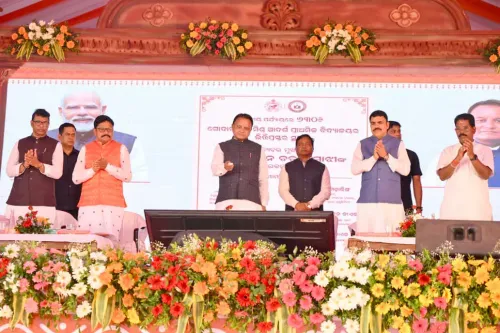
CM Majhi Inaugurates New CHC at Jhumpara, Kendujhar
Synopsis
Chief Minister Mohan Charan Majhi inaugurated a new Community Health Centre at Jhumpara in Kendujhar district, Odisha, aiming to deliver quality primary and emergency healthcare to tribal and rural communities in one of the state's most underserved regions.
Key Takeaways
CM Mohan Charan Majhi inaugurated a new Community Health Centre (CHC) at Jhumpara, Kendujhar district .
The facility is equipped with modern medical instruments and supporting infrastructure for primary and emergency care.
Kendujhar has a large tribal population spread across remote areas with historically limited healthcare access.
The CHC expands Odisha's rural health network built under the National Health Mission framework, active since 2005 .
The Majhi administration, in office since 2024 , has continued the state's focus on new rural health infrastructure builds.
Future integration with Ayushman Bharat digital health records is part of the broader state health agenda for new CHCs.
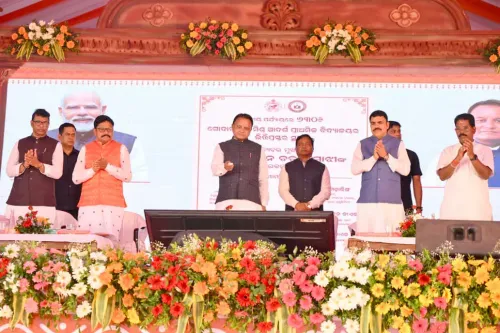
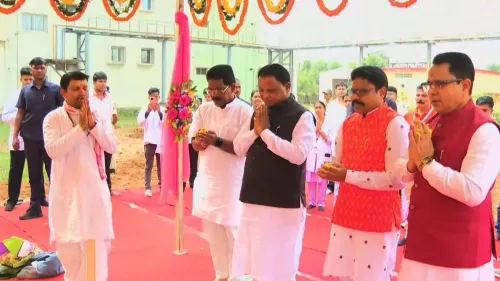
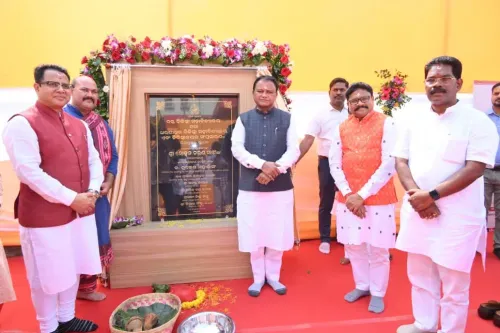
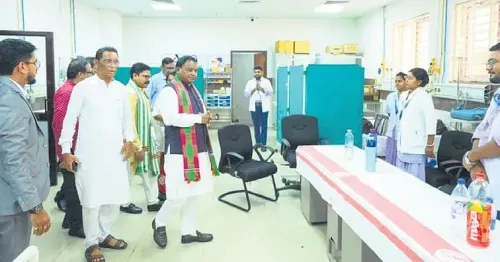
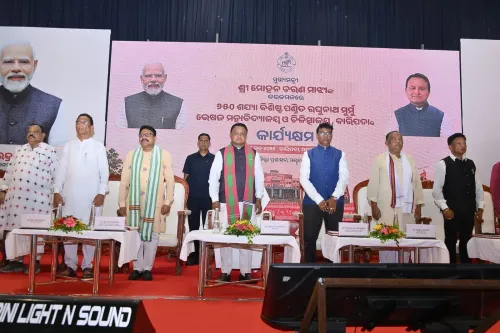
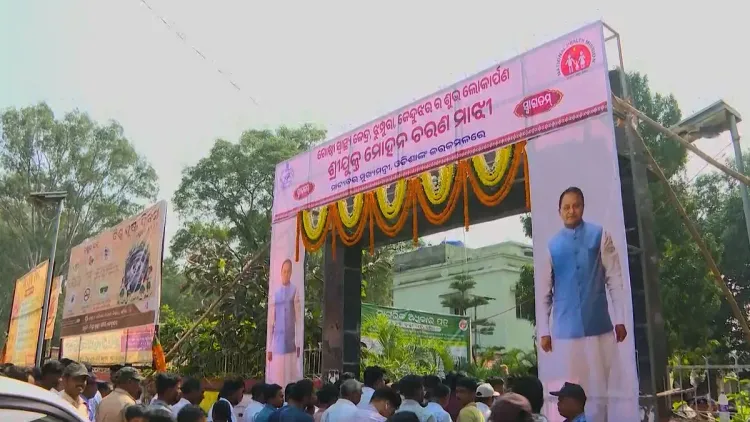
A new Community Health Centre is now open in one of Odisha's most remote tribal heartlands — and for the residents of Jhumpara block in Kendujhar district, that changes everything about how far they have to travel to find care. Chief Minister Mohan Charan Majhi inaugurated the facility on Saturday, making it the latest addition to the state's rural health grid under the National Health Mission framework.
The Chief Minister's Office announced the inauguration with a clear statement of intent: the new centre is built to deliver 'improved, quality, and affordable healthcare' to the people of Jhumpara and surrounding areas. Equipped with modern medical instruments and supporting infrastructure, the CHC is designed to serve as the first serious point of contact for both primary and emergency care — the kind of facility that can mean the difference between a managed health crisis and a preventable tragedy.Why Kendujhar, and Why Now
Kendujhar is mineral-rich but service-poor by historical measures — a district with a large tribal population spread across remote pockets where reaching a district hospital has often meant hours on rough roads. Successive Odisha governments have acknowledged this gap, expanding CHC coverage under the National Health Mission since 2005, but the demand has consistently outpaced the supply of functional facilities. The current Majhi administration, in office since 2024, has continued that infrastructure push with a stated emphasis on new builds equipped for diagnostics and emergency response — not just basic outpatient consultations. A CHC, by national mandate, is supposed to bridge the gap between a primary health sub-centre and a full district hospital: it handles surgeries, deliveries, in-patient care, and emergency stabilisation. Getting that level of capacity into a block like Jhumpara matters most to the tribal communities who form the bulk of its catchment population — groups that have historically faced the steepest barriers to institutional healthcare.Modern Equipment, Local Access
The post specifically flags 'modern medical equipment and associated infrastructure' as distinguishing features of the new CHC. That framing matters: many older rural health facilities in Odisha and across India have struggled not with their existence on paper but with functional gaps — absent specialists, broken equipment, irregular drug supply. The emphasis on infrastructure readiness at inauguration signals an attempt to open a centre that is operational from day one, not aspirationally functional. The broader state health agenda includes integrating new CHCs with Ayushman Bharat digital health records, a move that would connect Jhumpara's residents to the national health coverage architecture and make their medical histories portable across facilities. For the families of Kendujhar's tribal villages, the new centre is not a policy milestone on a spreadsheet. It is the nearest place to get stitches, deliver a child safely, or stabilise a patient before a longer journey. That is the stakes-level at which this opening lands — and the Majhi government will be watched closely on whether the facility's promise holds up once the inauguration cameras are gone.Point of View
Where geographic isolation has historically translated into preventable mortality. For the Majhi government, commissioning new facilities in mineral-rich but service-poor districts like Kendujhar carries both a welfare rationale and a political signal — that the BJP-led administration is delivering tangible infrastructure to communities that have long voted on development deficits. The real test, as with every CHC inauguration in India, will be staffing and sustained equipment functionality rather than the ribbon-cutting moment. If the state follows through with Ayushman Bharat digital integration and specialist deployment, Jhumpara could become a model for replicating functional rural health access across Odisha's tribal belt.
NationPress
7 Nov 2026
Frequently Asked Questions
What is a Community Health Centre (CHC) in India?
A Community Health Centre is a government-run rural healthcare facility mandated under the National Health Mission to provide in-patient care, surgeries, deliveries, and emergency services to populations typically in the range of 80,000 to 1.2 lakh people, bridging the gap between basic sub-centres and district hospitals.
Where is the new CHC inaugurated by CM Majhi located?
The new CHC is located at Jhumpara , a block headquarters in Kendujhar district in northern Odisha.
Who is Mohan Charan Majhi?
Mohan Charan Majhi is the Chief Minister of Odisha, leading the state government since 2024 , with a stated focus on rural development and infrastructure.
Why is healthcare access a concern in Kendujhar district?
Kendujhar has a large tribal population spread across remote and geographically isolated areas, where reaching a district hospital has historically required long travel on difficult roads, making local CHC-level facilities critical for timely care.
How does Odisha's CHC expansion connect to the National Health Mission?
Odisha has been expanding its CHC network under the National Health Mission framework since 2005 , with successive governments prioritising new builds and upgrades to reduce the rural-urban gap in healthcare access, especially in tribal-majority districts.