CM Majhi Marks 2 Years of Welfare Push in Odisha
Synopsis
Odisha Chief Minister Mohan Charan Majhi marked two years of his BJP-led government on 17 June 2026, spotlighting the Swasthya Surakhya health scheme and broader welfare delivery in housing and social protection as evidence of a citizen-first governance record.
Key Takeaways
Mohan Charan Majhi publicly marked two years of the BJP government in Odisha on 17 June 2026 .
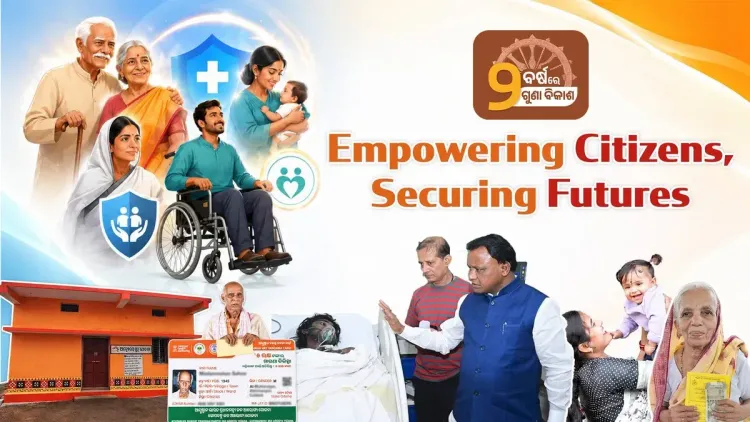
The government highlighted three welfare pillars: better healthcare, stronger security and greater dignity for citizens.
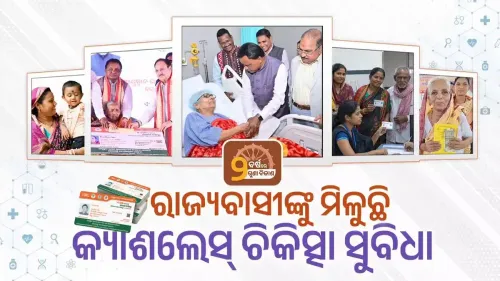
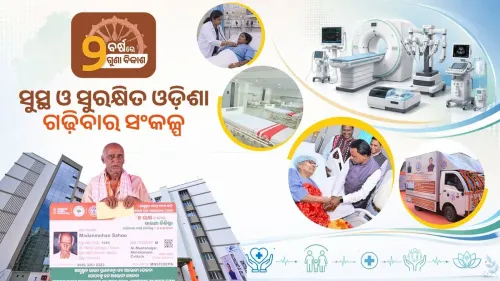
The Swasthya Surakhya scheme focuses on cashless treatment to reduce financial stress on families during hospitalisation.
The scheme builds on the earlier Biju Swasthya Surakhya Yojana (2018) , which provided up to Rs 5 lakh annual health coverage per family.
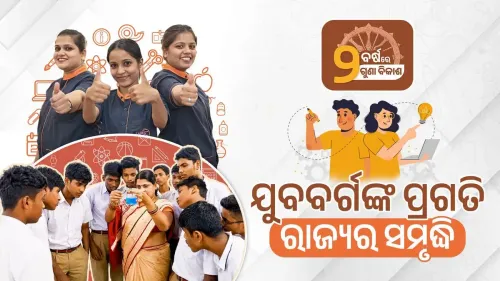
Housing access and social protection for low-income families were cited alongside health as core areas of the two-year push.
State budget allocations for 2026-27 and independent coverage assessments will be the next key indicators of delivery.
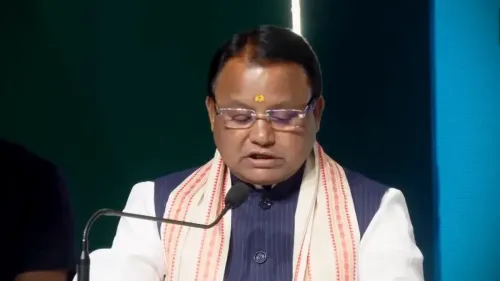
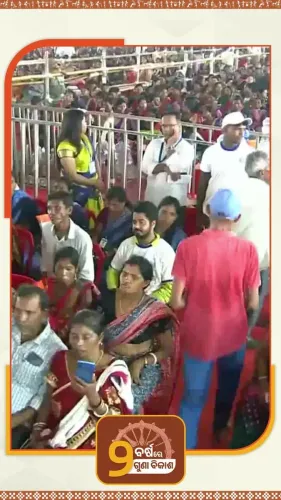
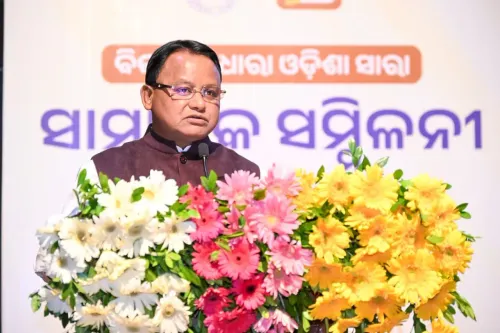
Odisha Chief Minister Mohan Charan Majhi on Wednesday, 17 June 2026 marked two years of his government in office by highlighting welfare gains across health security, housing and social protection, framing the milestone around the theme of building an Odisha where every citizen feels 'secure, supported and empowered.'
Context
The post, shared under the hashtags #2YearsofLokankaSarakar and #2YearsofSwasthyaSurakhya, marks the completion of two years since the BJP-led government came to power in Odisha following the June 2024 assembly election victory. Chief Minister Majhi used the occasion to publicly reaffirm the government's commitment to three pillars: better healthcare, stronger security and greater dignity for citizens.
The accompanying hashtag #BikasharaDharaOdishaSara — broadly translating to 'a stream of development across all of Odisha' — signals the government's intent to frame this anniversary as a development milestone rather than a purely political one.
Policy Backdrop
A central focus of the anniversary messaging is the Swasthya Surakhya scheme, the BJP government's health security initiative aimed at providing cashless treatment and reducing the financial burden on families during medical emergencies. The scheme builds on a lineage that includes the Biju Swasthya Surakhya Yojana, launched in 2018 by the previous Odisha government, which offered annual health coverage of up to Rs 5 lakh per family.
The current government has continued and rebranded welfare delivery in health, housing and social protection — a pattern common across Indian states where newly elected governments seek to consolidate public support through visible scheme continuity and fresh branding. Housing access and social protection for low-income families have been cited alongside health as core areas of the two-year push.
Stakeholders and Impact
The primary beneficiaries of these programmes are low-income families and residents across Odisha, particularly those who previously faced catastrophic out-of-pocket health expenditure or lacked formal housing. Cashless treatment provisions under Swasthya Surakhya are designed to remove the financial barrier that often forces poor families into debt during hospitalisations.
Social protection measures referenced in the post — including a 'place to call home' — point to housing schemes that form part of the government's broader welfare architecture. Together, these initiatives target some of the state's most economically vulnerable populations.
What's Next
Attention will now turn to the 2026-27 state budget allocations for health and housing, which will indicate whether the government's welfare commitments are backed by proportionate fiscal resources. Independent assessments of coverage numbers under Swasthya Surakhya — particularly how many families have accessed cashless treatment — will be a key measure of on-ground delivery against the anniversary claims.
As the BJP government in Odisha approaches the midpoint of its term, the framing of welfare outcomes as a political achievement suggests that social sector performance will remain central to its public communication and electoral positioning ahead of the next cycle.
Point of View
The BJP government in Odisha is positioning itself in a space long dominated by the Biju Janata Dal, effectively contesting the opposition's ownership of the welfare narrative. The rebranding of inherited schemes under new campaign hashtags reflects a deliberate strategy to build a distinct identity while maintaining continuity of delivery. Whether this messaging translates into durable electoral goodwill will depend on verified outcomes, making the 2026-27 budget and independent scheme evaluations politically significant beyond their policy value.
NationPress
22 Sept 2026
Frequently Asked Questions
What is the Swasthya Surakhya scheme in Odisha?
Swasthya Surakhya is the Odisha government's health security initiative that provides cashless treatment to families, aiming to reduce out-of-pocket medical expenses. It follows the earlier Biju Swasthya Surakhya Yojana, which offered up to Rs 5 lakh annual coverage per family.
How long has Mohan Charan Majhi been Chief Minister of Odisha?
Mohan Charan Majhi has been Chief Minister of Odisha since June 2024, when the BJP won the state assembly elections. He marked two years in office on 17 June 2026.
What does #2YearsofLokankaSarakar mean?
'Lokan Sarakar' broadly means 'people's government' in Odia. The hashtag #2YearsofLokankaSarakar was used by the Odisha BJP government to mark two years of its administration in June 2026.
What welfare schemes has the Odisha government launched for low-income families?
The Odisha government has focused on health security through Swasthya Surakhya, housing access and social protection measures aimed at low-income families, building on existing state welfare infrastructure since coming to power in 2024.
What is #BikasharaDharaOdishaSara?
#BikasharaDharaOdishaSara is an Odia phrase meaning roughly 'a stream of development across all of Odisha.' It was used by CM Majhi's government as a campaign hashtag to frame the two-year anniversary around statewide development.