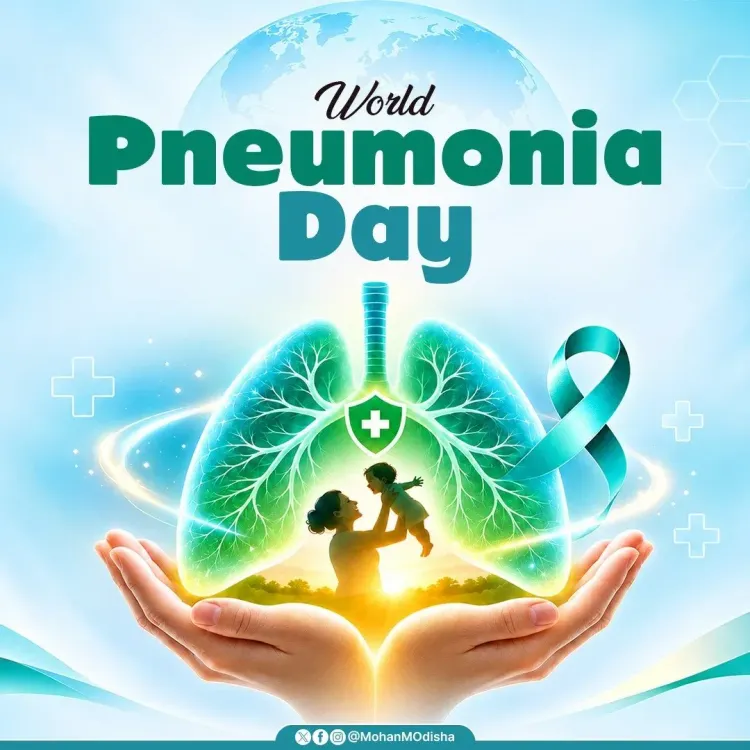
CM Majhi Marks World Pneumonia Day, Calls for Healthier Odisha
Synopsis
On World Pneumonia Day, Odisha Chief Minister Mohan Charan Majhi called for heightened awareness on symptoms, vaccination, nutrition, and accessible healthcare, reinforcing India's National Health Mission-backed drive to cut under-five mortality from pneumonia in the state.
Key Takeaways
World Pneumonia Day falls on 12 November every year as a global call to prevent and treat the disease.
CM Mohan Charan Majhi highlighted vaccination, proper nutrition, and accessible healthcare as the three pillars of pneumonia prevention in Odisha.
India added the Pneumococcal Conjugate Vaccine to the Universal Immunization Programme in 2017 to reduce childhood pneumonia deaths.
The National Health Mission , operational since 2005 , funds state-level pneumonia awareness and nutrition interventions across Odisha.
Odisha's rural and tribal communities face the greatest accessibility gaps, making community outreach around this observance especially significant.
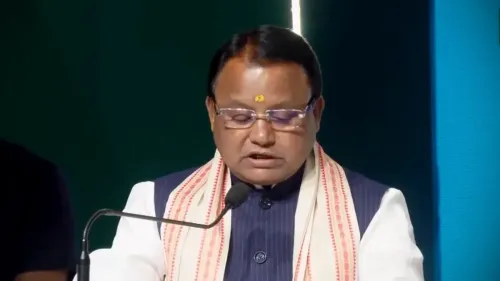
Every year on 12 November, the world pauses to reckon with a disease that still kills more children under five than almost any other single illness — and Odisha Chief Minister Mohan Charan Majhi used World Pneumonia Day 2026 to call his state to action on vaccination, nutrition, and accessible healthcare.
The Day, the Disease, and Why Odisha Is in the Frame
World Pneumonia Day is observed globally every 12 November to spotlight a condition that is both deadly and largely preventable. Pneumonia — a lung infection driven by bacteria, viruses, or fungi — disproportionately strikes young children and the elderly, with rural and low-income communities bearing the heaviest burden. In a state like Odisha, where large tribal and rural populations depend on the public health system, the stakes are high.
CM Majhi's post urged citizens to 'spread awareness about the symptoms, prevention and timely treatment of pneumonia,' framing vaccination, proper nutrition, and accessible healthcare as the three pillars of the response. The appeal is well-timed: health workers and district administrations in eastern Indian states typically use the November observance to run community outreach camps and immunisation drives.
India's Pneumonia Immunisation Push and Odisha's Role
India folded the Pneumococcal Conjugate Vaccine (PCV) into its Universal Immunization Programme in 2017, a landmark step designed to cut childhood pneumonia deaths by protecting infants against the most common bacterial trigger. The National Health Mission (NHM), running since 2005, provides the state-level scaffolding — funding awareness campaigns, nutrition interventions, and primary care outreach — that makes vaccine delivery possible in remote blocks.
Odisha participates in NHM-supported programmes and aligns its annual health planning with Sustainable Development Goal 3 targets on under-five mortality reduction. The National Health Policy of 2017 gave fresh impetus to expanding immunisation and primary care in eastern states, where coverage gaps have historically been wider than the national average.
What Prevention Actually Looks Like on the Ground
The Chief Minister's three-point frame — vaccination, nutrition, healthcare access — maps directly onto the evidence. PCV immunisation blunts bacterial pneumonia; adequate nutrition keeps immune systems functional; and early access to a health facility means the difference between oral antibiotics at an outpatient clinic and a critical admission. For Odisha's rural and tribal households, the third leg — accessibility — remains the hardest to close, making community-level awareness campaigns especially consequential.
As Odisha heads into the cooler months when respiratory illnesses typically spike, the call from Bhubaneswar is a reminder that the best emergency response is the one that never becomes necessary.
Point of View
Public health messaging on preventable child deaths serves a dual function: aligning with national SDG-3 commitments and signalling governance seriousness to a state electorate that placed health access high on its agenda. The emphasis on 'accessible healthcare' is a subtle but pointed acknowledgment that vaccine availability alone is insufficient without last-mile delivery — the perennial challenge in Odisha's interior districts.
NationPress
12 Nov 2026
Frequently Asked Questions
When is World Pneumonia Day observed?
World Pneumonia Day is observed every year on 12 November . It is a global health awareness event focused on the prevention, diagnosis, and treatment of pneumonia.
What did Odisha CM Mohan Majhi say on World Pneumonia Day 2026?
CM Mohan Charan Majhi called on citizens to spread awareness about pneumonia symptoms, prevention, and timely treatment, and urged collective action through vaccination, proper nutrition, and accessible healthcare to build a healthier and safer Odisha.
Is pneumococcal vaccine available in Odisha under government programmes?
Yes. India included the Pneumococcal Conjugate Vaccine (PCV) in the Universal Immunization Programme in 2017 . Odisha implements this programme under the National Health Mission , making the vaccine available to children through government health centres.
Why is pneumonia a concern for children in Odisha?
Pneumonia is one of the leading causes of death in children under five globally. In Odisha, rural and tribal populations with limited healthcare access face higher risk, making vaccination, nutrition, and early treatment especially critical.
What is the National Health Mission and how does it help fight pneumonia?
The National Health Mission (NHM) was launched in 2005 and funds state-level health infrastructure, immunisation drives, nutrition programmes, and awareness campaigns. In Odisha, NHM resources support pneumonia prevention efforts including vaccine delivery in remote areas.