CM Majhi Marks World Television Day, Spotlights Odisha's Culture
Synopsis
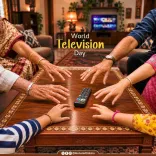
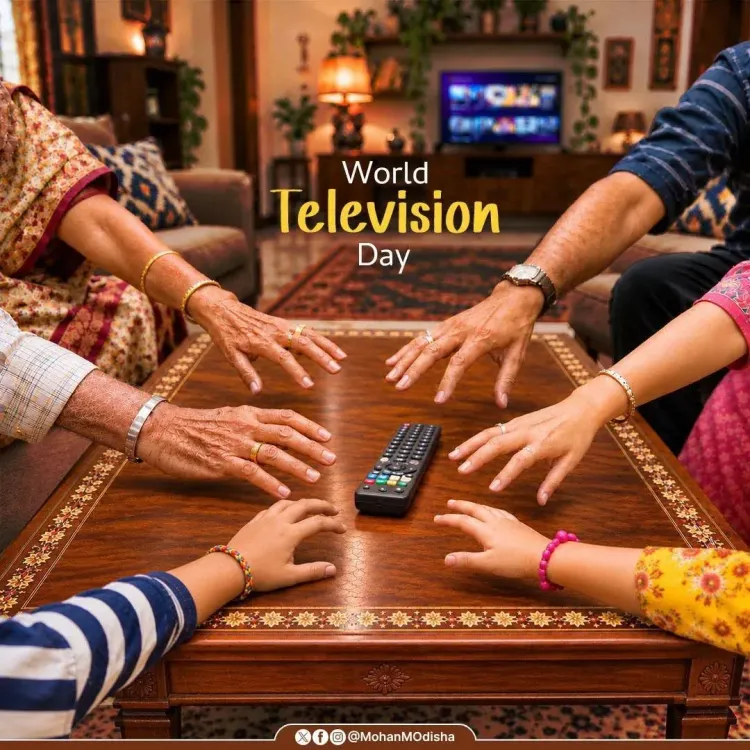
Odisha Chief Minister Mohan Charan Majhi marked World Television Day on 21 November 2026 by highlighting television's role in connecting people, spreading awareness, and projecting Odisha's culture, heritage, and development story to a global audience.
Key Takeaways
CM Mohan Charan Majhi posted a World Television Day message on 21 November 2026 .
World Television Day is a United Nations observance held annually since 1996 to recognise television's role in information and cultural exchange.
Majhi called on television to 'inform, inspire and bring the stories of Odisha to the world.' The message links Odisha's cultural heritage and development journey as twin themes for media projection.
No specific new state policy or scheme was announced alongside the message.
On World Television Day, 21 November, Odisha Chief Minister Mohan Charan Majhi used the United Nations-designated observance to champion television as a bridge between the state's storied heritage and a global audience — calling on the medium to keep carrying Odisha's stories outward to the world.
In his post, CM Majhi wrote: 'On World Television Day, let us celebrate the power of television in connecting people, spreading awareness and showcasing Odisha's rich culture, heritage and development journey. May this powerful medium continue to inform, inspire and bring the stories of Odisha to the world.'
A 30-Year-Old UN Observance, Still Carrying Weight
World Television Day has been observed every 21 November since 1996, when the United Nations first recognised television's singular reach in shaping public opinion and enabling cultural exchange. Nearly three decades on, the day remains a prompt for governments and institutions to reflect on how broadcast media serves — or could better serve — their populations.
For a state like Odisha, with its dense calendar of temple festivals, classical dance traditions, and tribal art forms, television has long functioned as both a mirror and a megaphone — capable of taking the Rath Yatra (the grand chariot festival) or the intricate patterns of Pattachitra painting into living rooms far beyond the state's borders.
Culture, Heritage, and the Development Narrative
CM Majhi's message weaves together two distinct threads: cultural pride and development progress. That pairing is deliberate. Odisha has, in recent years, positioned itself as a state where ancient heritage and modern infrastructure ambitions coexist — from its coastal tourism push to its industrial corridor projects. Television, in this framing, is not just entertainment; it is a soft-power instrument.
Indian state chief ministers routinely mark global observance days with statements that tie the occasion to regional identity. What gives Majhi's message its particular texture is the explicit call for television to 'bring the stories of Odisha to the world' — an outward-facing aspiration that goes beyond domestic awareness campaigns.
The medium he is celebrating reaches every district in the state, from the coastal plains around Puri to the forested highlands of Koraput — making it, even in the streaming era, the most democratically accessible window Odisha has into its own story.
Whether this sentiment translates into concrete state media policy — new cultural programming mandates, expanded regional-language broadcast hours, or partnerships with public broadcasters — remains to be watched in the months ahead.
Point of View
Pairing cultural pride with a development narrative that the BJP government in Odisha has leaned on since taking office in 2024. The outward-facing framing — urging television to carry Odisha's stories 'to the world' — signals an ambition beyond domestic audiences, consistent with the state's broader push on tourism and soft power. Without accompanying policy announcements, however, the statement functions primarily as symbolic positioning. The real test will be whether it precedes concrete investments in regional-language broadcasting or cultural content mandates.
NationPress
21 Nov 2026
Frequently Asked Questions
Why did Odisha CM Mohan Majhi post about World Television Day?
CM Mohan Charan Majhi posted on World Television Day, observed on 21 November each year, to highlight television's role in connecting people and showcasing Odisha's culture, heritage, and development progress to a wider audience.
When is World Television Day celebrated?
World Television Day is celebrated on 21 November every year. It was established by the United Nations in 1996 to recognise the role of television in communication and cultural exchange.
What did CM Majhi say about Odisha's culture on World Television Day?
CM Majhi called on television to 'inform, inspire and bring the stories of Odisha to the world,' framing the medium as a tool for showcasing the state's rich culture, heritage, and development journey.
Who is Mohan Charan Majhi?
Mohan Charan Majhi is the Chief Minister of Odisha and a BJP leader who took office in 2024 after the party's victory in the state assembly elections.
Did Odisha announce any new television or media policy on World Television Day 2026?
No specific new media policy or scheme was announced by the Odisha government alongside CM Majhi's World Television Day message.