Saudi airstrikes kill 41 in Yemen including children, Houthis claim Saudi port hit
Synopsis
At least 41 people — including 11 children — were reportedly killed in Saudi airstrikes across Yemen in a single 24-hour stretch, even as the Houthis claimed precision hits on a Saudi power plant and port. With both sides now threatening infrastructure critical to civilian survival, the latest exchange marks one of the sharpest escalations in the Yemen conflict in recent weeks.
Key Takeaways
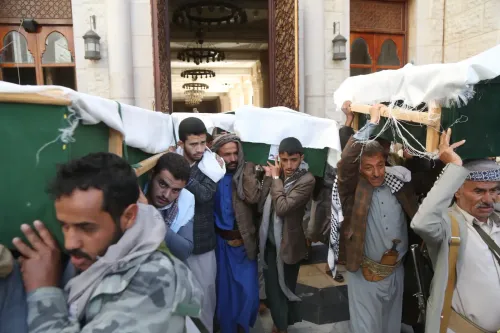
At least 41 people , including 11 children and 7 women , were reportedly killed in Saudi airstrikes across Yemen over 24 hours , according to Houthi-run media.
A further 28 people , including 3 children , were reportedly injured; figures could not be independently verified.
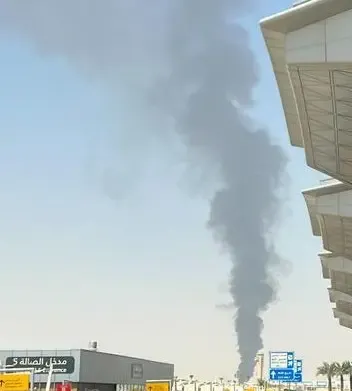
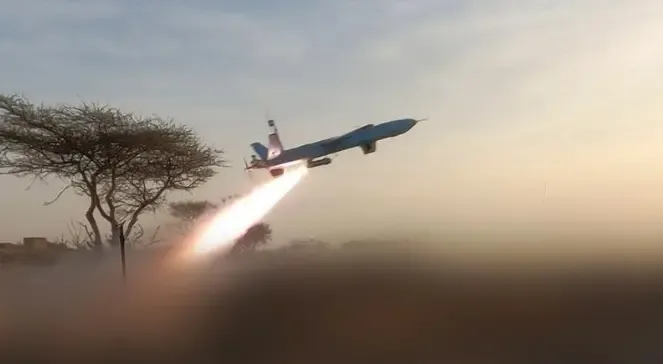
Houthi spokesperson Yahya Sarea claimed strikes on the Al-Shuqaiq power plant and Jazan port in Saudi Arabia's Jazan region , citing 'direct and precise hits'.
The Saudi-led coalition said it intercepted and destroyed two ballistic missiles targeting Jazan , with shrapnel falling near Al-Shuqaiq .
The Houthis warned of 'immediate retaliation' against Saudi infrastructure if strikes on Yemeni ports or power facilities continue.
Yemen has been at war since 2014 , with the Saudi-led intervention beginning in 2015 ; civilian infrastructure remains a repeated target on both sides.
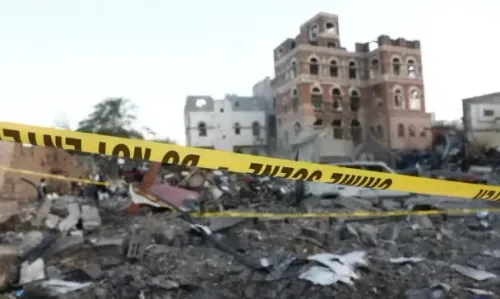
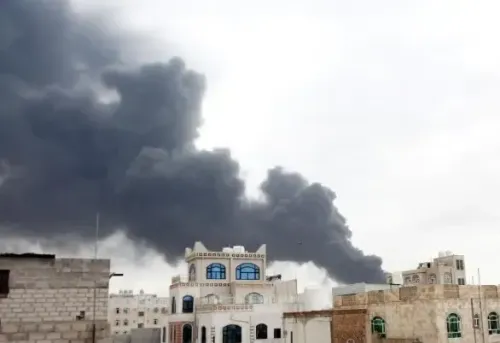
At least 41 people, including 11 children and 7 women, were killed in airstrikes attributed to Saudi Arabia across Yemen over a 24-hour period ending Friday, according to Houthi-run al-Masirah TV, which cited health authorities in the Houthi-controlled capital Sanaa. A further 28 people, including 3 children, were reportedly injured. The figures could not be independently verified, and Saudi authorities had not issued an immediate response at the time of reporting.
Houthi Claims of Retaliatory Strikes
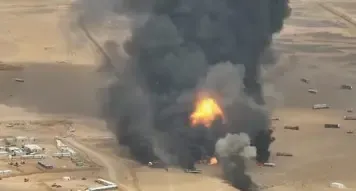
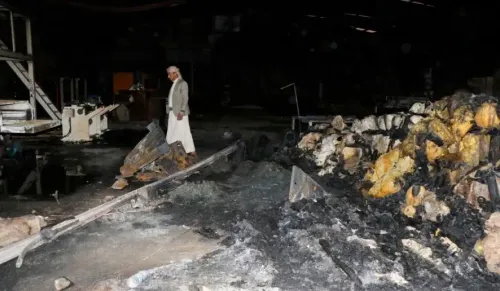
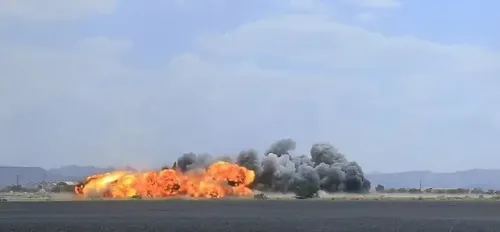
Houthi military spokesperson Yahya Sarea said in a statement that the group targeted the Al-Shuqaiq power plant and Jazan port in Saudi Arabia's Jazan region, claiming 'direct and precise hits' and extensive damage. These claims, too, could not be independently verified. Sarea framed the strikes as a direct response to reported Saudi attacks on power stations in Yemen's northern Saada province, the Red Sea city of Mocha, and an earlier strike the same day on Hodeidah port.
Saudi Coalition's Account
The Saudi-led coalition in Yemen acknowledged that air defences had intercepted and destroyed two ballistic missiles targeting Jazan, and confirmed that shrapnel fell in the Al-Shuqaiq area, where authorities were responding. The coalition did not provide details on casualties or the extent of material damage at the site.
Escalating Tit-for-Tat Attacks
Sarea warned that any further strikes on Yemeni ports or power facilities would trigger 'immediate retaliation' against comparable Saudi infrastructure. In recent days, the Houthis have claimed repeated missile and drone attacks on Saudi airports, oil facilities, and other strategic targets, while Houthi media have reported intensified Saudi airstrikes on residential areas and civilian infrastructure across Yemen. This cycle of reciprocal strikes marks a sharp escalation across multiple fronts.
A Decade of Conflict
Yemen has been engulfed in conflict since late 2014, when the Houthis seized Sanaa and large swathes of northern Yemen. The Saudi-led military intervention began in 2015 in support of the internationally recognised Yemeni government. The war has since become one of the world's most severe humanitarian crises, with civilian infrastructure — ports, power plants, and hospitals — repeatedly caught in the crossfire of both sides. Notably, attacks on Hodeidah port, a critical entry point for food and aid, have drawn particular international concern given Yemen's near-total dependence on imports.
What Comes Next
With both sides exchanging threats over energy and port infrastructure, analysts warn the latest escalation risks further disruption to already strained humanitarian supply chains. International observers, including the United Nations, have repeatedly called for protected corridors for civilian goods — calls that have gone largely unheeded by both parties to the conflict.
Point of View
And it is civilians who pay the price. Hodeidah port alone handles the bulk of Yemen's food and medicine imports; each strike on it or its Saudi equivalents tightens a humanitarian vice that the UN has repeatedly warned is unsustainable. What mainstream coverage often underplays is the symmetry of infrastructure warfare: the Houthis are not merely reacting, they are applying a doctrine of mirrored escalation designed to raise Saudi domestic costs. Whether that calculus shifts international pressure toward a ceasefire or deeper entrenchment is the real question — and so far, the answer has consistently been the latter.
NationPress
21 Nov 2026
Frequently Asked Questions
How many people were killed in Saudi airstrikes on Yemen on 21 November?
According to Houthi-run al-Masirah TV, citing health authorities in Sanaa, at least 41 people were killed — including 11 children and 7 women — in airstrikes attributed to Saudi Arabia over a 24-hour period ending Friday, 21 November. The figures could not be independently verified, and Saudi authorities had not commented at the time of reporting.
What did the Houthis strike inside Saudi Arabia?
Houthi military spokesperson Yahya Sarea claimed the group struck the Al-Shuqaiq power plant and Jazan port in Saudi Arabia's Jazan region, asserting 'direct and precise hits' and extensive damage. The Saudi-led coalition confirmed shrapnel fell in the Al-Shuqaiq area but said its air defences intercepted two ballistic missiles targeting Jazan; it did not detail casualties or damage.
Why are the Houthis attacking Saudi infrastructure?
The Houthis say their strikes are retaliatory, specifically in response to reported Saudi airstrikes on power stations in Yemen's Saada province, the city of Mocha, and Hodeidah port. Spokesperson Yahya Sarea warned that further Saudi strikes on Yemeni ports or power facilities would trigger 'immediate retaliation' against equivalent Saudi targets.
How long has the Yemen conflict been going on?
Yemen has been in armed conflict since late 2014, when the Houthis seized Sanaa and much of northern Yemen. The Saudi-led military coalition intervened in 2015 in support of the internationally recognised Yemeni government. The war has since produced one of the world's worst humanitarian crises.
Why does attacking Hodeidah port matter for civilians?
Hodeidah port is Yemen's principal entry point for food, medicine, and humanitarian aid, handling the majority of the country's imports. Strikes on or near the port directly threaten supply chains that millions of Yemenis depend on for survival, a concern the United Nations has repeatedly raised with both parties to the conflict.