CM Majhi: Pumps, Teams Deployed for Post-Flood Drainage in Odisha
Synopsis
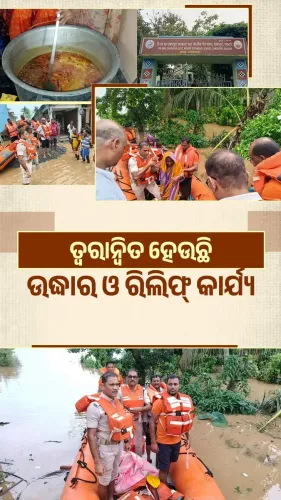
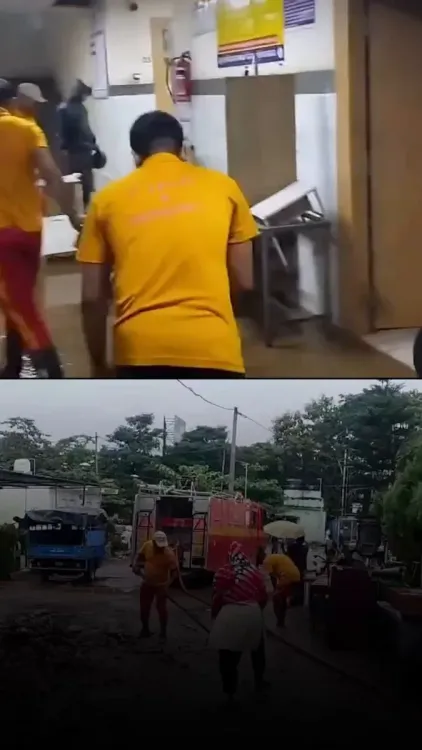
Odisha CM Mohan Charan Majhi on 3 November 2026 confirmed that rescue teams with high-capacity pumps are actively draining waterlogged sahis and bastis across the state following a recession of floodwaters.
Key Takeaways
Odisha CM Mohan Charan Majhi posted an operational update on 3 November 2026 confirming active post-flood drainage work.
High-capacity motorised pumps are deployed alongside rescue teams in affected residential sahis and bastis .
The operation targets stagnant water that persists in settlements after river floodwaters have receded.
Odisha experiences recurrent seasonal flooding, primarily driven by the Mahanadi river system and its tributaries.
The Odisha State Disaster Management Authority (OSDMA) , established after the 1999 super cyclone , underpins the state's coordinated disaster response framework.
Rehabilitation and compensation announcements for affected residents are the expected next phase of the state's response.
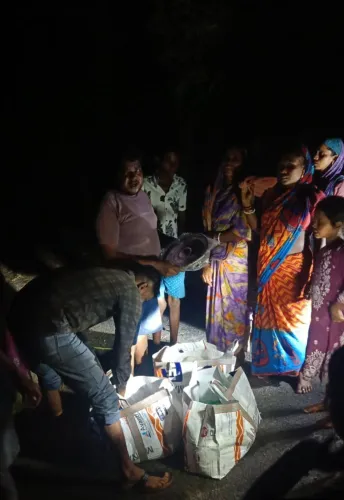
Even as floodwaters recede across Odisha, the harder, quieter work has begun — clearing the stagnant water left behind in lanes and settlements that remain submerged long after rivers return to their banks. Odisha Chief Minister Mohan Charan Majhi confirmed on Tuesday, 3 November 2026 that high-capacity pumps and rescue teams are actively deployed across affected sahis and bastis (neighbourhood clusters and informal settlements) to drain waterlogged areas.
Posting in Odia, the Chief Minister stated: 'Banyajala hrasa pare bibhinna sahi o bastire jami rahithiba pani nishkasana karya jari rahichhi. Ucha kshamathasampanna pampa saha udharakharin dala jala nishkasana karyare niyojita achanti.' — 'After the floodwaters recede, drainage work of accumulated water in various sahis and bastis is ongoing. Rescue teams equipped with high-capacity pumps are engaged in drainage operations.'Why Stagnant Water Outlasts the Flood
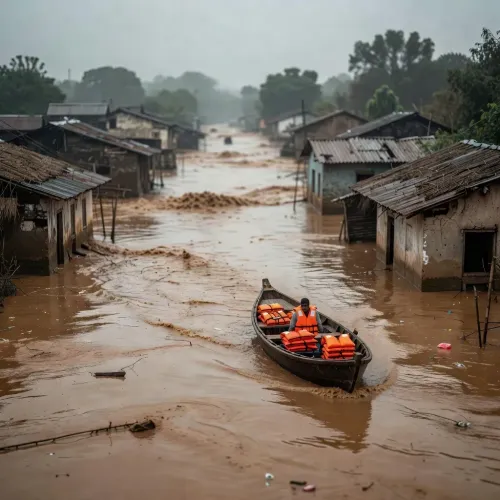
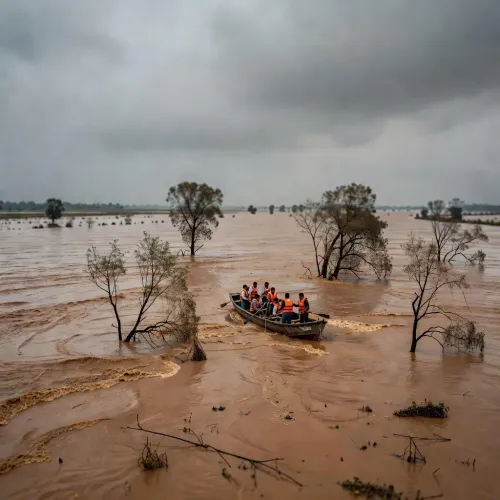
This phase of disaster response — post-recession drainage — is often less visible than the dramatic rescue operations that precede it, but its impact on residents is equally direct. Stagnant water in low-lying residential pockets breeds disease, damages property foundations, and keeps families from returning to their homes. Odisha's eastern river systems, especially the Mahanadi and its tributaries, regularly deposit standing water in dense settlements well after peak flood levels drop.
The deployment of high-capacity motorised pumps, alongside dedicated rescue and relief teams, reflects the operational framework that Odisha has built over decades. Since the devastating 1999 super cyclone, the state established the Odisha State Disaster Management Authority (OSDMA) to coordinate exactly this kind of multi-agency ground response — from active rescue to the slower work of rehabilitation.
Executive Visibility in the Field Phase
Chief Ministers in Odisha have increasingly used social media to provide real-time operational updates during and after flood events — a pattern that serves both administrative coordination and public reassurance. Majhi's post follows that tradition, signalling continued state attention even as the acute emergency phase winds down.
The specific sahis and bastis affected are not named in the update, but the emphasis on 'various' localities suggests a wide, dispersed drainage effort rather than a single concentrated zone. For flood-affected residents, the priority now shifts from evacuation to restoration — and the speed of drainage directly determines when normalcy returns.
With pumps running and teams in the field, the next milestone the state will need to clear is the announcement of rehabilitation and compensation packages for those whose homes and livelihoods bore the worst of this season's inundation.
Point of View
Institutionalised model of disaster communication that Odisha has refined over more than two decades since the 1999 super cyclone — one where executive visibility during the recovery phase is as deliberate as it is during peak crisis. The focus on pump deployment signals that the state is in the less telegenic but operationally critical 'last mile' of flood response, where drainage speed determines disease burden and displacement duration. For the BJP-led government, demonstrating administrative continuity on disaster management also carries political weight in a state where flood competence has historically defined electoral trust. The real test, however, lies ahead: how swiftly and equitably compensation and rebuilding support reaches affected households.
NationPress
3 Nov 2026
Frequently Asked Questions
What is the current flood situation in Odisha in November 2026?
Floodwaters have receded in Odisha, but rescue teams and high-capacity pumps remain deployed to drain stagnant water from waterlogged sahis and bastis across affected areas, as confirmed by CM Mohan Charan Majhi on 3 November 2026 .
What steps is the Odisha government taking after the floods recede?
The Odisha government has deployed rescue teams equipped with high-capacity pumps to drain accumulated water from residential settlements. This post-recession drainage phase is coordinated under the state's disaster management framework.
What is the OSDMA and what role does it play in flood relief?
The Odisha State Disaster Management Authority (OSDMA) was established after the devastating 1999 super cyclone to coordinate relief, rescue, and post-flood operations across the state, providing a structured multi-agency response to recurring flood events.
Why does Odisha flood so frequently?
Odisha's eastern geography and its river systems — particularly the Mahanadi and its tributaries — make it one of India's most flood-prone states. Seasonal monsoon surges regularly cause overflow into low-lying residential and agricultural areas.
When will affected residents in Odisha receive flood compensation?
No formal compensation announcement had been made at the time of CM Majhi's 3 November 2026 post. Rehabilitation and compensation packages are the anticipated next phase of the state government's response once drainage operations are completed.