CM Majhi Unveils New DMF Distribution System for Odisha Mining Zones
Synopsis
Odisha Chief Minister Mohan Charan Majhi has announced a revamped District Mineral Foundation distribution system, promising transparent and equitable royalty fund allocation to directly and indirectly affected communities in the state's mining districts, with a focus on strengthening inter-district coordination.
Key Takeaways
CM Mohan Charan Majhi announced a new DMF distribution system on June 5, 2026 , targeting mining-affected communities across Odisha.
The system promises transparent, equal and just fund distribution to both directly and indirectly affected populations in mining zones.
A key feature is strengthened inter-district coordination , addressing a long-standing gap in DMF governance.
The District Mineral Foundation was established under the Mines and Minerals (Development and Regulation) Amendment Act, 2015 , mandating royalty contributions from mining companies.
Odisha's key mining districts — Keonjhar , Sundargarh and Mayurbhanj — are expected to be among the primary beneficiaries.
Implementation will be tracked through revised operational guidelines and district-level fund utilisation reports.
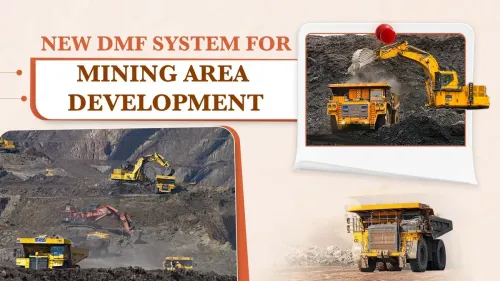
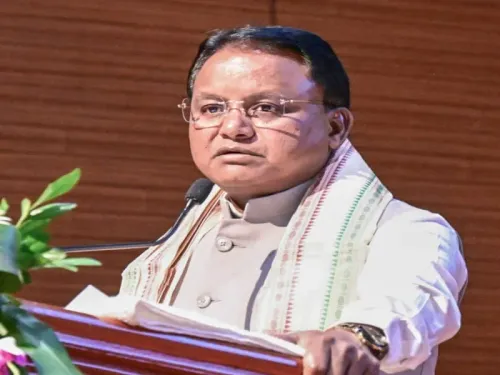
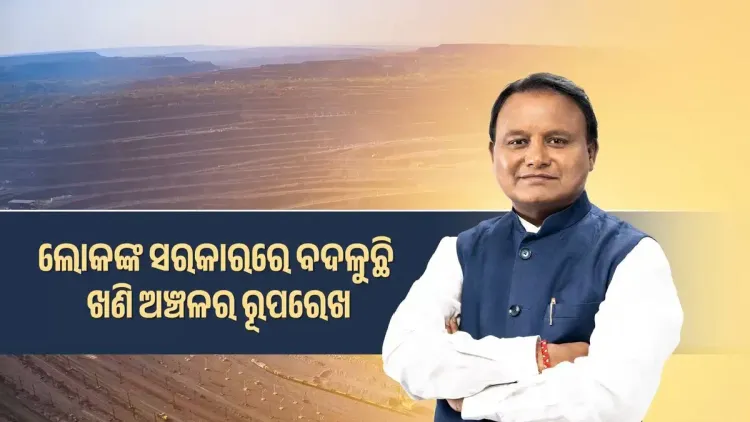
Odisha Chief Minister Mohan Charan Majhi on Friday, June 5, 2026, announced a revamped District Mineral Foundation (DMF) distribution system, promising transparent, equitable and just allocation of mining royalty funds to both directly and indirectly affected communities across the state's mineral-rich districts.
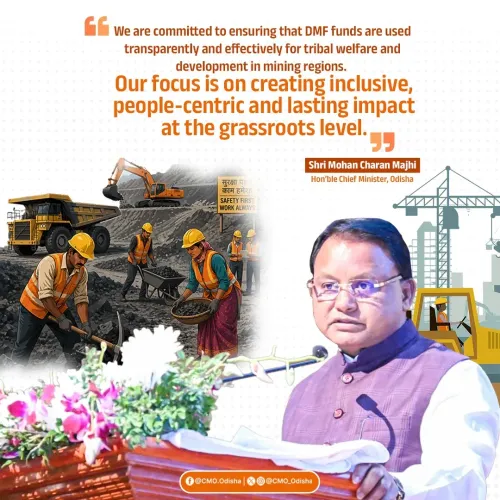
Posting in Odia on X, CM Majhi declared: 'The new DMF distribution system has brought a big change in development. Funds will now be distributed transparently, equally and justly among the directly and indirectly affected people of mining-impacted areas.' He added that strengthening inter-district coordination to ensure every benefit of mineral progress reaches people directly is 'the core objective of our government,' and that every mining zone will now become 'a true centre of development, modern facilities and prosperity.'
Context
The District Mineral Foundation is a statutory trust established in every mining district under the Mines and Minerals (Development and Regulation) Amendment Act, 2015. Mining companies are required to contribute a share of royalties into the DMF, which is then meant to be spent on welfare and infrastructure for communities living in and around mine-affected areas. Odisha is among India's most mineral-rich states, with major iron ore, bauxite and coal operations concentrated in districts such as Keonjhar, Sundargarh and Mayurbhanj.
Chief Minister Majhi, a BJP leader who assumed office in June 2024 following the state assembly elections, has positioned mining governance reform as a flagship priority. His announcement signals a significant policy recalibration in how the state channels mineral revenues back to affected populations.
Policy Backdrop
Since the 2015 MMDR amendment, mineral-bearing states across India have repeatedly revised DMF rules to address documented problems — including under-utilisation of funds, elite capture and weak coordination between districts. Odisha governments have issued multiple DMF guidelines and grievance redressal mechanisms over the years, directing resources toward infrastructure, health and livelihood projects in mining zones.
The new system emphasised by CM Majhi specifically addresses inter-district coordination, a persistent structural gap. Previously, funds collected in one district did not always flow equitably to communities in adjacent or indirectly affected districts, leaving large populations without adequate compensation for environmental and social disruption caused by nearby mining activity.
Stakeholders and Impact
The primary beneficiaries of the revised DMF framework are the mining-affected communities of Odisha — tribal populations, farmers, and workers in districts that host or border active mining operations. These communities have historically borne the brunt of displacement, pollution and infrastructure strain while receiving an uneven share of royalty-funded development.
District administrations will also be central to implementation, as the new system reportedly strengthens inter-district coordination mechanisms. A more rules-based, transparent distribution formula is expected to reduce discretionary allocation and make fund utilisation more accountable to local populations.
What's Next
Observers will watch for the publication of revised DMF operational guidelines, district-level fund utilisation reports and any state assembly debate on implementation timelines. The credibility of the new system will ultimately be judged by how swiftly and equitably funds reach ground-level projects in Keonjhar, Sundargarh, Mayurbhanj and other mining districts.
If the revamped framework delivers on its stated goals of transparency and inter-district equity, it could serve as a model for other mineral-rich states grappling with similar DMF governance challenges — and reinforce CM Majhi's broader pitch that Odisha's mineral wealth must translate into visible, on-the-ground prosperity for the communities closest to the mines.
Point of View
Majhi is signalling a break from the discretionary, district-siloed model that critics have long flagged. For a BJP government that won Odisha partly on a development-delivery pitch, making visible progress on DMF reform in mining-dependent constituencies carries both policy and electoral logic. The real test will be whether revised guidelines translate into auditable, on-the-ground outcomes before the next electoral cycle.
NationPress
21 Oct 2026
Frequently Asked Questions
What is the new DMF distribution system announced by Odisha CM Majhi?
CM Mohan Charan Majhi announced a revamped District Mineral Foundation distribution system on June 5, 2026, designed to allocate mining royalty funds transparently and equitably to both directly and indirectly affected communities in Odisha's mining districts, with stronger inter-district coordination.
What is the District Mineral Foundation (DMF) in Odisha?
The District Mineral Foundation is a statutory trust established in every mining district under the Mines and Minerals (Development and Regulation) Amendment Act, 2015. Mining companies contribute a share of royalties to the DMF, which is spent on welfare, infrastructure and livelihood projects for mining-affected communities.
Which districts in Odisha benefit from DMF funds?
The major beneficiary districts are mineral-rich areas such as Keonjhar, Sundargarh and Mayurbhanj, which host significant iron ore, bauxite and coal operations and have large populations directly or indirectly affected by mining activity.
What problems did the old DMF system have in Odisha?
The earlier DMF framework faced documented issues including under-utilisation of funds, uneven distribution between directly and indirectly affected communities, and weak inter-district coordination, meaning communities in adjacent districts often received inadequate support.
Who is Mohan Charan Majhi and why is he reforming DMF?
Mohan Charan Majhi is the BJP Chief Minister of Odisha who took office in June 2024. His government has prioritised mining governance reform, and the DMF overhaul is aimed at ensuring mineral revenues directly benefit local communities rather than remaining locked in administrative bottlenecks.