Odisha CMO flags new DMF system for fairer mineral wealth sharing
Synopsis
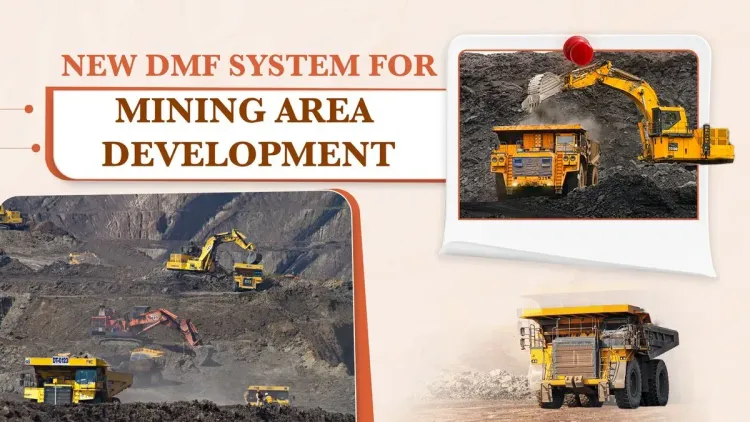
The Chief Minister's Office of Odisha has unveiled a new DMF distribution system aimed at delivering transparent, equitable funding to mining-affected communities and fostering inter-district coordination, marking a significant shift in how the state channels mineral wealth for grassroots development.
Key Takeaways
The Chief Minister's Office of Odisha announced a revamped District Mineral Foundation (DMF) distribution system on 7 June 2026 .
The new system emphasises transparent and fair funding for both directly and indirectly mining-affected populations.
Enhanced inter-district synergy is a stated goal, addressing the historical concentration of DMF benefits in a few districts.
Odisha notified DMF Rules in 2015 under the MMDR Amendment Act and contributes up to 30 per cent of royalty into the fund.
Key mineral districts such as Keonjhar , Sundargarh and Jharsuguda are expected to see more equitable resource flows under the revised framework.
The state's approach could serve as a model for other mineral-rich Indian states grappling with uneven DMF utilisation.
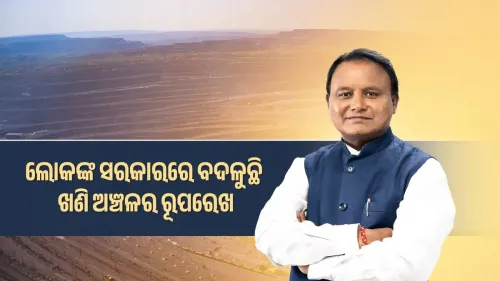
The Chief Minister's Office of Odisha on Sunday, 7 June 2026, announced that a revamped District Mineral Foundation (DMF) distribution system is now operational, promising transparent and equitable funding for communities directly and indirectly affected by mining, alongside enhanced coordination across districts.
Context
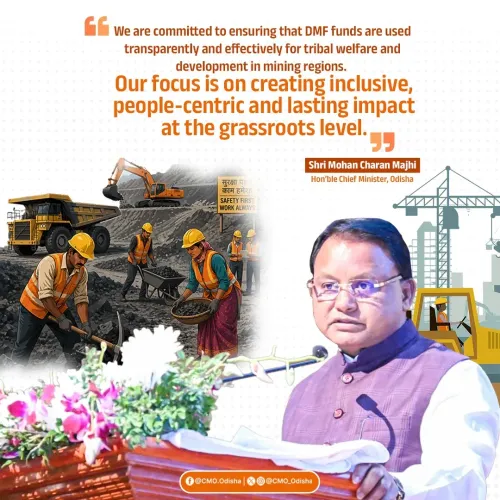
The post by CMO Odisha states that the new system brings 'a massive shift in grassroots development' by ensuring that 'the true benefits of mineral wealth are reaching the citizens.' It specifically highlights transparent and fair funding for affected people and 'enhanced inter-district synergy' as the twin levers of the reform. The stated goal is transforming Odisha's mining hubs into 'centres of modern amenities and prosperity.'
Policy Backdrop
The District Mineral Foundation is a statutory trust mandated in every Indian mining district under the Mines and Minerals (Development and Regulation) Amendment Act, 2015. Mining lease-holders are required to contribute a share of royalty — up to 30 per cent — into the fund. Odisha notified its own DMF Rules in 2015 and has since been among the top collectors nationally, given its position as India's leading producer of iron ore, bauxite and coal.
Expenditure from DMF is guided by the Pradhan Mantri Khanij Kshetra Kalyan Yojana (PMKKKY), the central programme launched in 2015 that channels DMF money into welfare, infrastructure and livelihood projects in mining-affected areas. Districts such as Keonjhar, Sundargarh and Jharsuguda — among the state's most mineral-rich — have historically been the largest recipients of these funds.
Stakeholders and Impact
The primary beneficiaries of the revamped system are communities living in and around active mining zones, categorised under PMKKKY as 'directly affected' and 'indirectly affected' populations. Improved inter-district coordination, as highlighted by the CMO, is significant because mineral revenues have historically been concentrated in a handful of districts, leaving adjacent but economically linked communities underserved.
District administrations, which manage DMF trusts at the local level, stand to benefit from clearer allocation guidelines and stronger oversight mechanisms. Civil society groups and independent auditors have long flagged uneven utilisation rates across Odisha's mining districts, making the transparency emphasis in this announcement particularly notable for accountability advocates.
What's Next
The practical impact of the new distribution system will become clearer when Odisha releases its next DMF annual report, which typically details fund collection, allocation and project completion rates district by district. At the national level, the Ministry of Mines has been reviewing guidelines on inter-district fund transfers and third-party audits — any revised central framework could further shape how the state operationalises its updated model.
If the revamped system demonstrably improves project delivery and reduces regional disparities, Odisha could set a template for other mineral-rich states seeking to make their own DMF mechanisms more equitable and efficient.
Point of View
The announcement positions the state government as proactively ahead of accountability demands rather than reactive to them. Whether the rhetoric translates into measurable improvements in utilisation rates and project delivery will be the real test of this 'massive shift.'
NationPress
19 Sept 2026
Frequently Asked Questions
What is the new DMF distribution system in Odisha?
The new DMF distribution system is a revamped framework announced by the Odisha Chief Minister's Office in June 2026 that aims to ensure transparent and equitable distribution of District Mineral Foundation funds to both directly and indirectly mining-affected communities, while improving coordination across districts.
What is the District Mineral Foundation (DMF) and how does it work?
The District Mineral Foundation is a statutory trust established in every Indian mining district under the MMDR Amendment Act 2015. Mining companies contribute up to 30 per cent of royalty into the fund, which is then used for welfare, infrastructure and livelihood projects in mining-affected areas, guided by the central PMKKKY programme.
Which districts in Odisha benefit most from DMF funds?
Districts with the highest mineral activity — including Keonjhar, Sundargarh and Jharsuguda — are historically the largest DMF recipients in Odisha. The new system's inter-district synergy focus is intended to extend benefits more evenly to adjacent and indirectly affected communities.
How much money does Odisha collect under the District Mineral Foundation?
Odisha is among India's top DMF collectors nationally, given its status as the country's leading producer of iron ore, bauxite and coal. Contribution rates go up to 30 per cent of royalty, though precise annual collection figures are published in state DMF annual reports.
What is PMKKKY and how is it related to DMF in Odisha?
The Pradhan Mantri Khanij Kshetra Kalyan Yojana (PMKKKY) is a central government programme launched in 2015 that provides the expenditure framework for DMF funds, directing money toward welfare, infrastructure and livelihood projects for mining-affected populations. Odisha's DMF spending follows PMKKKY guidelines.