CM Mann Calls Satyendar Jain Arrest Political Vendetta

Synopsis
Punjab Chief Minister Bhagwant Mann has condemned the arrest of AAP leader Satyendar Jain as political vendetta, accusing the central government of weaponising the Enforcement Directorate against opposition leaders — escalating a long-running federal standoff over agency autonomy.
Key Takeaways
Bhagwant Mann on 19 August 2026 publicly called Satyendar Jain's arrest an act of political revenge by the central government.
Mann accused the Centre of misusing the Enforcement Directorate to intimidate and suppress opposition leaders.
The ED has been pursuing cases against multiple AAP leaders in Delhi and Punjab since 2022 , including the arrest of Manish Sisodia in February 2023 .
Non-BJP state governments across India have raised similar allegations of selective agency deployment since 2014 .
Court proceedings on bail applications and potential parliamentary debate on agency oversight reform remain the key developments to watch.
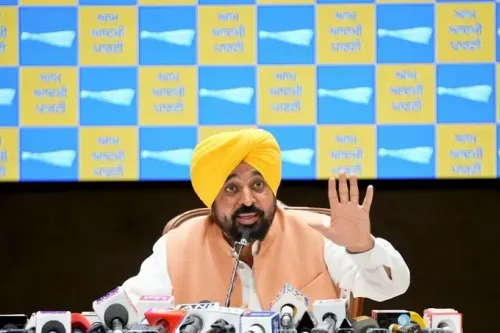
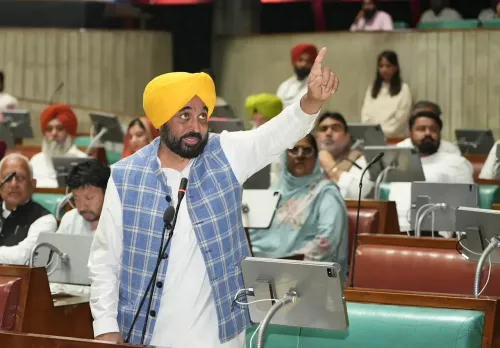
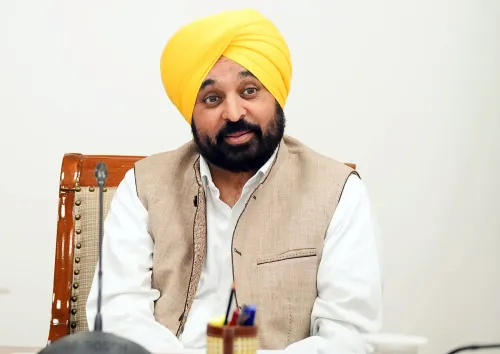
When a sitting state government's former minister lands in custody, the question that follows is never just legal — it is always political. Punjab Chief Minister Bhagwant Mann fired directly at that question on Wednesday, 19 August 2026, calling the arrest of Aam Aadmi Party leader Satyendar Jain a textbook case of political vendetta orchestrated through central investigative agencies.
Posting in Punjabi, Mann did not mince words: 'ਸਤਿੰਦਰ ਜੈਨ ਜੀ ਦੀ ਗ੍ਰਿਫ਼ਤਾਰੀ ਸਿਆਸੀ ਬਦਲਾਖੋਰੀ ਦੀ ਸਾਫ਼ ਮਿਸਾਲ ਹੈ' — 'Satyendar Jain's arrest is a clear example of political revenge.' He accused the central government of misusing agencies like the Enforcement Directorate to intimidate and suppress opposition leaders. His sharpest line was reserved for his critics: 'Those who have already sold Punjab are today asking us questions — this method is not right for democracy.'
The ED's Trail Through AAP's Leadership
The action against Jain is not isolated. Since 2022, the Enforcement Directorate has cast a wide net over AAP figures in both Delhi and Punjab, pursuing cases linked to alleged financial irregularities. The most prominent earlier flashpoint was the arrest of former Delhi Deputy Chief Minister Manish Sisodia in February 2023 over the Delhi excise policy case — a moment that AAP described then, as now, as a coordinated attempt to decapitate an elected government.
Jain, a former Delhi cabinet minister, has faced money laundering allegations investigated by the ED. His case has moved through courts, with bail proceedings drawing sustained public attention. Mann's statement lands as that legal battle continues.
A Pattern Bigger Than One Party
Mann's accusation taps into a grievance that has become a defining fault line of Indian federal politics since 2014. Non-BJP state governments — from West Bengal to Telangana to Delhi — have repeatedly alleged that the ED and CBI are deployed selectively against political opponents rather than as autonomous law-enforcement bodies. The charge is contested fiercely by the Centre, which maintains the agencies act independently on evidence-based cases.
What gives Mann's statement its particular edge is the Punjab angle. By invoking the phrase 'those who sold Punjab,' he is speaking directly to his home electorate, framing the federal friction not as a Delhi dispute but as an assault on Punjab's political sovereignty. It is a deliberate conflation — and a politically calculated one.
Debates over agency oversight reform have surfaced in parliamentary sessions before, but structural changes to ED and CBI functioning remain elusive. Until the courts rule definitively and legislatures act, this tug-of-war between elected state governments and central agencies will keep producing exactly these moments.
The next move belongs to the judiciary — and to every voter watching who controls the levers of accountability in India's federal democracy.
Point of View
Signalling that AAP intends to fight this battle on electoral terrain, not just in courtrooms. This fits a broader AAP strategy of converting agency scrutiny into a victimhood narrative that energises its base. The risk is that repeated invocations of vendetta, without matching legal victories, can gradually lose persuasive force with swing voters who expect governments to answer corruption allegations on merit.
NationPress
19 Aug 2026
Frequently Asked Questions
Why did Bhagwant Mann call Satyendar Jain's arrest political vendetta?
Mann argued that the central government is misusing the Enforcement Directorate to intimidate opposition leaders rather than pursue genuine financial crimes, calling the arrest a clear example of political revenge.
Who is Satyendar Jain and what is he accused of?
Satyendar Jain is an AAP leader and former Delhi cabinet minister who has faced money laundering allegations investigated by the Enforcement Directorate.
Has the ED taken action against other AAP leaders before?
Yes. The ED arrested former Delhi Deputy Chief Minister Manish Sisodia in February 2023 over the Delhi excise policy case, and has conducted raids and issued summons to multiple AAP figures in Delhi and Punjab since 2022.
Is AAP the only party to accuse the Centre of misusing central agencies?
No. Several non-BJP state governments, including those in West Bengal and Telangana, have made similar allegations of selective ED and CBI deployment against political opponents since 2014.
What happens next in the Satyendar Jain case?
Court proceedings on bail applications are the immediate development to watch, along with any parliamentary discussion on reforms to oversight of central investigative agencies.