CM Mohan Yadav Addresses Pre-Bid Meet for MP 24-Hour Renewable Energy Project
Synopsis
Chief Minister Dr. Mohan Yadav virtually addressed a pre-bid meeting at Madhya Pradesh Bhawan, New Delhi on 1 July 2026 for the state's 24-hour renewable energy project, signalling a major step toward round-the-clock green power procurement in central India.
Key Takeaways
Mohan Yadav virtually joined the pre-bid meeting from Samatva Bhawan , Bhopal on 1 July 2026 .
The meeting was held at Madhya Pradesh Bhawan, New Delhi for the state's 24-hour renewable energy project .
The project aims to deliver round-the-clock power by combining solar, wind, and battery storage technologies.
New Energy MP and MNRE are key institutional stakeholders coordinating the tender process.
The initiative aligns with India's national target of 500 GW non-fossil fuel capacity by 2030 .
Contract awards and storage technology choices are the critical next milestones following this pre-bid stage.
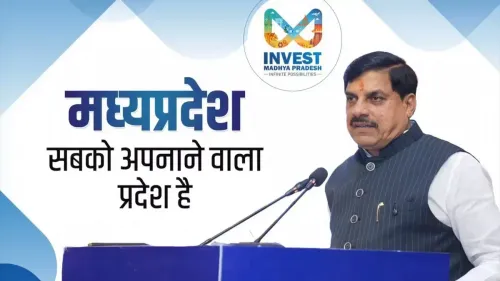
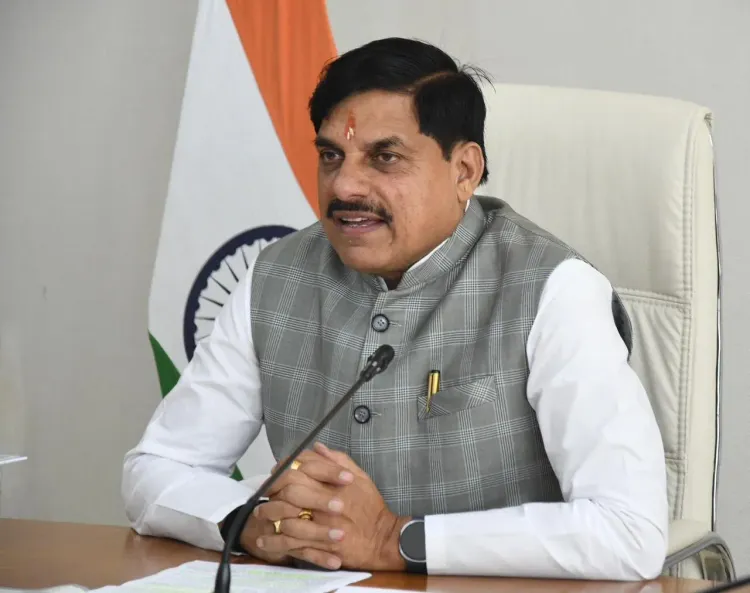
Chief Minister Dr. Mohan Yadav of Madhya Pradesh on Wednesday, 1 July 2026 virtually addressed a pre-bid meeting held at Madhya Pradesh Bhawan, New Delhi, for the state's ambitious 24-hour renewable energy project, connecting from Samatva Bhawan, his official residence in Bhopal.
Context
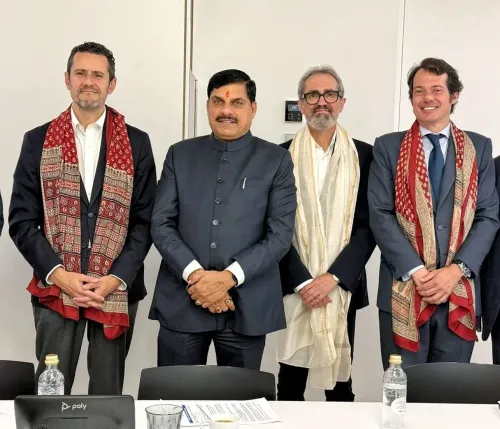
The Chief Minister's Office announced that Dr. Yadav joined the meeting virtually — varchually juḍkar [virtually joining] — to address prospective bidders and stakeholders gathered at the New Delhi venue. A pre-bid meeting is a standard step in the public procurement process where developers can seek clarifications on tender conditions before submitting financial bids. The event marks a significant milestone in the state's push to operationalise round-the-clock green power supply.
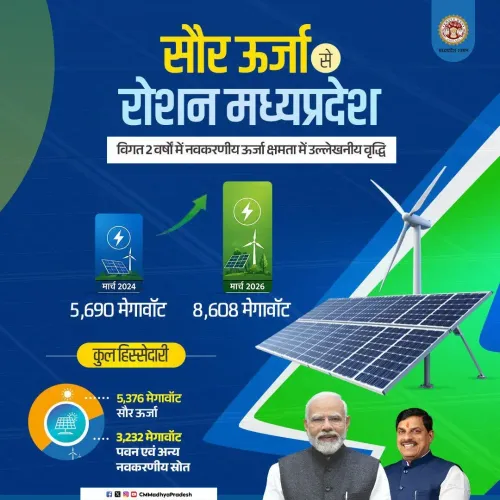
The 24-hour renewable energy project is designed to deliver uninterrupted power from renewable sources, typically achieved by combining solar, wind, and battery storage technologies. Such hybrid configurations are increasingly sought by state utilities to replace dispatchable fossil-fuel generation with clean alternatives.
Policy Backdrop
Madhya Pradesh has been building its renewable energy credentials since the Madhya Pradesh Solar Policy 2019, which set structured targets for capacity addition and enabled landmark projects such as the Rewa Ultra Mega Solar Park. The state sits at the intersection of strong solar irradiance and wind corridors, making it a natural candidate for large-scale hybrid projects.
At the national level, the Ministry of New and Renewable Energy (MNRE) — tagged in the post as @mnreindia — is steering India toward 500 GW of non-fossil fuel capacity by 2030 and a net-zero target by 2070. State-level initiatives like this pre-bid process directly feed into that national pipeline by mobilising private capital and setting procurement benchmarks.
The 24-hour renewable model mirrors similar tenders that have emerged in Rajasthan, Gujarat, and Tamil Nadu, signalling that round-the-clock green power is becoming a standard procurement category across Indian states rather than a one-off experiment.
Stakeholders and Impact
The primary audience at the New Delhi meeting comprised renewable energy developers and state power utilities, who would evaluate the project's technical and financial terms. A well-attended pre-bid meeting generally signals strong investor interest and can improve the competitiveness of final bids, potentially lowering the cost of power for consumers.
The involvement of MNRE in the process suggests the project may be eligible for central support mechanisms such as viability gap funding or linkages with the Green Hydrogen Mission. New Energy MP — the state's nodal agency tagged as @NewenergyMp — is coordinating the tender process on the ground.
What's Next
Following the pre-bid meeting, developers are expected to submit their clarifications and queries, after which the state will issue a revised or final request for proposal. The award of contracts and the subsequent selection of storage technologies will be the critical next milestones to watch.
The outcome of this tender could set a pricing and technology precedent for 24-hour renewable procurement across central India, reinforcing Madhya Pradesh's position as a frontrunner in India's clean energy transition.
Point of View
Not routine procurement. By convening bidders at the politically visible Madhya Pradesh Bhawan in New Delhi and tagging MNRE, the state is visibly positioning itself within the central government's clean energy ecosystem, likely to access viability gap funding. This mirrors a broader pattern where Chief Ministers front-load political visibility in renewable tenders to attract tier-one developers and compress bid timelines. The move also reflects competitive pressure from Rajasthan and Gujarat, which have already set benchmarks in hybrid round-the-clock power procurement.
NationPress
1 Jul 2026
Frequently Asked Questions
What is the Madhya Pradesh 24-hour renewable energy project?
It is a state initiative to supply uninterrupted power from renewable sources by combining solar, wind, and battery storage technologies, reducing dependence on fossil-fuel-based dispatchable generation.
What is a pre-bid meeting and why does it matter?
A pre-bid meeting allows prospective developers to seek clarifications on tender terms before submitting bids. It is a standard procurement step that can improve bid quality and attract stronger competition, potentially lowering power costs.
Why was the meeting held at Madhya Pradesh Bhawan in New Delhi?
Madhya Pradesh Bhawan is the state's official premises in New Delhi and serves as a common venue for high-profile state government events, making it accessible to national and international developers based in the capital.
What is MNRE's role in this project?
The Ministry of New and Renewable Energy is India's central ministry overseeing the 500 GW non-fossil fuel target by 2030. Its involvement suggests the project may qualify for central support such as viability gap funding.
What happens after the pre-bid meeting for the MP renewable energy tender?
After the pre-bid stage, the state will address developer queries and issue a final request for proposal. Contract awards and the selection of energy storage technologies are the next key milestones to watch.