CM Mohan Yadav Backs 2026 Anti-Paper-Leak Amendment Bill
Synopsis
Madhya Pradesh CM Dr. Mohan Yadav welcomed the Public Examinations (Prevention of Unfair Means) Amendment Bill, 2026 tabled in Lok Sabha on 27 July, praising its strict penalties for exam mafias and its promise of a fairer, merit-based selection system for Indian youth.
Key Takeaways
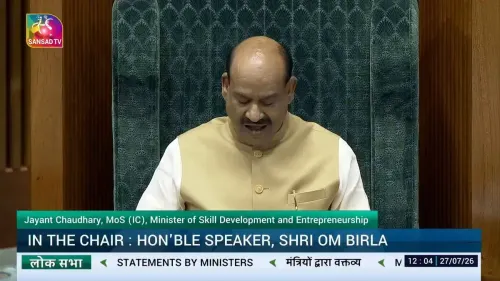
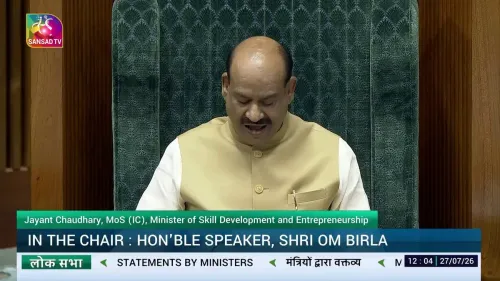
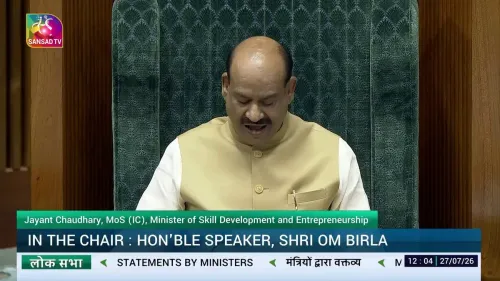
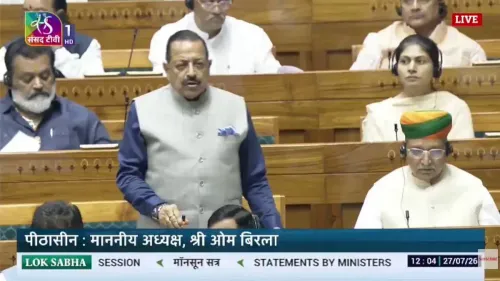
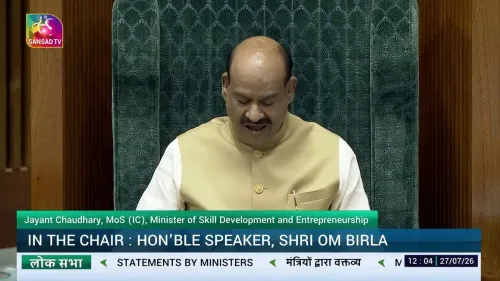
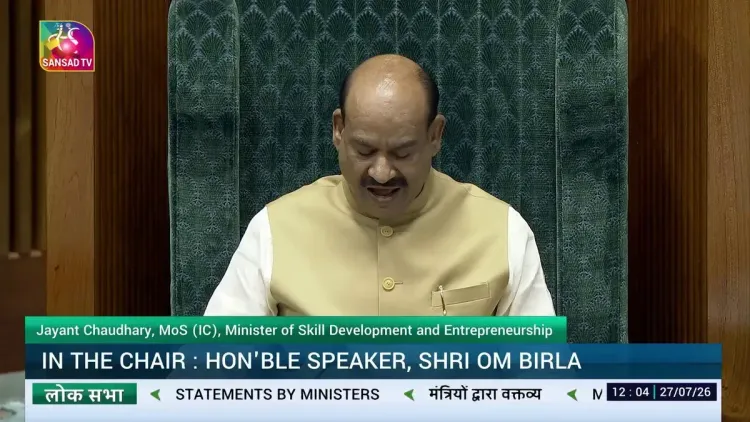
The Public Examinations (Prevention of Unfair Means) Amendment Bill, 2026 was introduced in the Lok Sabha on 27 July 2026 during the Monsoon Session.
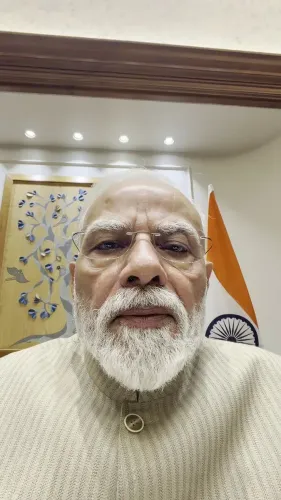
Mohan Yadav welcomed the bill, attributing it to Prime Minister Narendra Modi's leadership.
The bill amends the original Public Examinations (Prevention of Unfair Means) Act, 2024 , enacted to curb malpractices including paper leaks.
The legislation proposes the 'strictest punishment' for examination mafias and individuals found guilty of disrupting public examinations.
The bill aims to make India's competitive examination system more impartial, transparent, and credible for millions of aspirants.
Parliamentary proceedings and subsequent enforcement rules from the Ministry of Personnel or Ministry of Education will determine the law's practical reach.
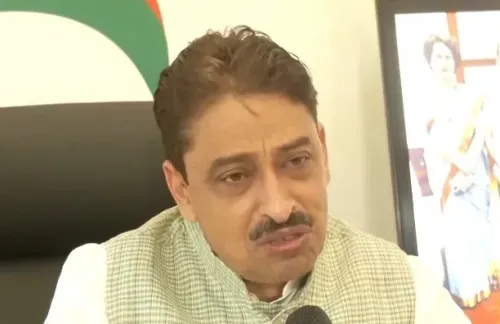
Madhya Pradesh Chief Minister Dr. Mohan Yadav on Monday, 27 July 2026 welcomed the introduction of the Public Examinations (Prevention of Unfair Means) Amendment Bill, 2026 in the Lok Sabha, calling it a landmark step toward making India's competitive examination system fairer, more transparent, and credible for the country's youth.
Context
Posting on X during the ongoing Monsoon Session 2026, Dr. Yadav credited the bill to the leadership of Prime Minister Narendra Modi. In his post, he stated that the legislation would 'priksha vyavastha ko adhik nishpaksh, pardarshi evam vishwasniya banayega' — 'make the examination system more impartial, transparent, and trustworthy.' He emphasised that its most significant feature is the provision for the 'strictest punishment' for examination mafias and those found guilty of tampering with public examinations.
The bill is an amendment to the Public Examinations (Prevention of Unfair Means) Act, 2024, which Parliament enacted to prescribe penalties for malpractices — including paper leaks — in public recruitment and entrance examinations. The 2026 amendment is positioned as a further strengthening of that legal framework.
Policy Backdrop
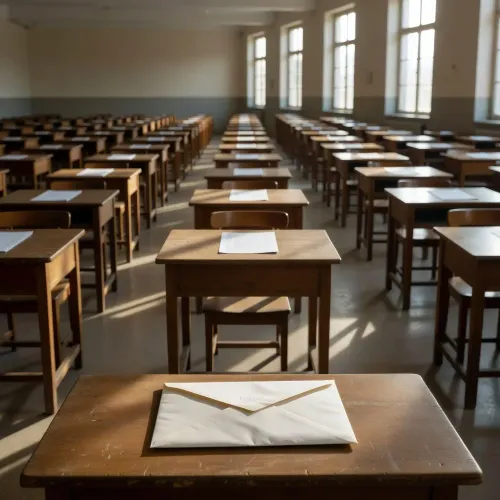
India has witnessed a string of high-profile examination irregularities in recent years, with controversies surrounding tests such as NEET and SSC examinations shaking public confidence in merit-based selection processes. The original 2024 Act was itself a legislative response to mounting public anger over organised paper-leak networks that disadvantaged honest aspirants.
The central government's move to table an amendment bill in 2026 signals a recognition that stronger deterrence and wider enforcement mechanisms are required. Dr. Yadav invoked the government's stated resolve — 'Mehnat ka samman, pratibha ko pehchaan' ('Honour for hard work, recognition for talent') — as the guiding principle behind the legislation.
Stakeholders and Impact
The primary beneficiaries of the proposed legislation are competitive examination aspirants — millions of young Indians who prepare for government recruitment tests, entrance examinations, and public service selections every year. For this demographic, paper leaks represent not merely an administrative failure but a direct assault on years of effort and financial investment.
Dr. Yadav stated that the bill would ensure 'yuvaon ka bhavishya aur adhik surakshit hoga' — 'the future of youth will be more secure' — and that their hard work would receive 'swift justice.' Stricter penalties are expected to act as a deterrent against the organised networks that have historically facilitated examination fraud across multiple states.
What's Next
The bill's passage through Parliament during the Monsoon Session 2026 will be closely watched, particularly the specific penal provisions and the scope of agencies empowered to investigate examination-related offences. Any subsequent rules or enforcement notifications from the Ministry of Personnel or the Ministry of Education will determine how effectively the amended law translates into ground-level deterrence.
If enacted, the amendment would reinforce the central government's broader commitment to merit-based governance — a theme that has anchored its education and recruitment policy narrative heading into the coming electoral cycle.
Point of View
Pratibha ko pehchaan,' the party is making a direct appeal to aspirant-class voters, a demographic that cuts across caste and region. CM Dr. Mohan Yadav's vocal endorsement from a state that has itself faced examination irregularities underscores the political salience of the issue beyond Delhi. Whether the amendment delivers substantive enforcement or remains largely symbolic will depend on the specific penal provisions and the institutional capacity granted to investigating agencies.
NationPress
27 Jul 2026
Frequently Asked Questions
What is the Public Examinations Amendment Bill 2026?
The Public Examinations (Prevention of Unfair Means) Amendment Bill, 2026 is a central government bill introduced in the Lok Sabha on 27 July 2026 that seeks to strengthen the existing 2024 law by prescribing stricter penalties for paper leaks and other malpractices in public examinations.
Why was the Public Examinations Act amended in 2026?
The amendment was brought to reinforce deterrence against organised examination fraud networks following repeated paper-leak controversies in major competitive tests, aiming to restore public confidence in merit-based selection processes.
What punishment does the 2026 anti-paper-leak bill propose?
According to CM Dr. Mohan Yadav's statement, the bill proposes the 'strictest punishment' for examination mafias and individuals found guilty of tampering with public examinations, though specific penal provisions are subject to the bill's final text.
Which exams does the Public Examinations (Prevention of Unfair Means) Act cover?
The Act covers public recruitment and entrance examinations conducted by central government bodies, and the 2026 amendment is expected to extend or strengthen its scope and enforcement mechanisms.
What did Madhya Pradesh CM Mohan Yadav say about the anti-paper-leak bill?
CM Dr. Mohan Yadav said the bill would make the examination system more impartial, transparent, and credible, ensure swift justice for hardworking aspirants, and secure the future of Indian youth by punishing those who exploit the examination system.