CM Mohan Yadav Extends Bhavantar Yojana to Paddy Farmers
Synopsis
Madhya Pradesh Chief Minister Dr. Mohan Yadav announced on 1 July 2026 that the Bhavantar Bhugtan Yojana — a direct benefit transfer scheme compensating farmers when market prices fall below a notified threshold — will now cover paddy in addition to soybean, expanding a programme running since 2017.
Key Takeaways
Mohan Yadav announced on 1 July 2026 that paddy farmers in Madhya Pradesh will now be covered under the Bhavantar Bhugtan Yojana .
The scheme was originally launched in 2017 by then CM Shivraj Singh Chouhan exclusively for soybean farmers as a direct benefit transfer mechanism.
The Bhavantar Bhugtan Yojana compensates farmers for the gap between market prices and a government-notified support price, credited directly to bank accounts.
Madhya Pradesh is a major producer of both soybean and paddy, making this expansion significant for a large section of the state's farming community.
Official details — including per-quintal compensation rates, registration window, and budget allocation for the paddy component — are yet to be notified.
The move could set a precedent for further expansion of the scheme to other kharif crops such as maize or pulses.
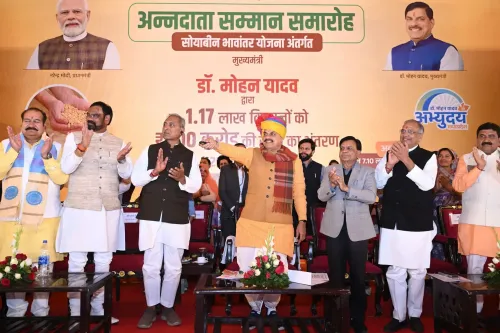
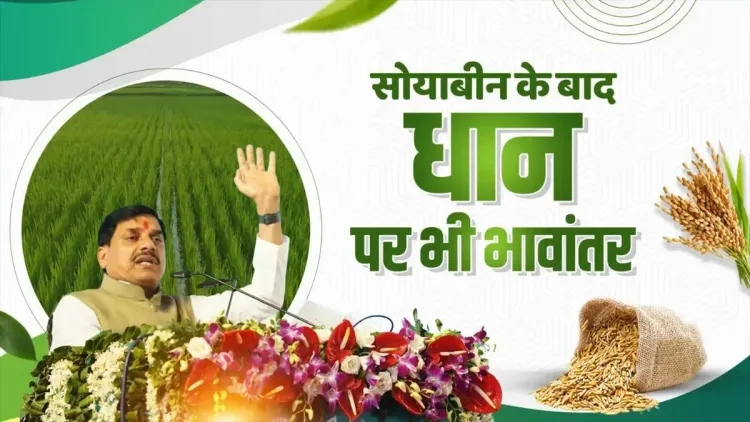
Madhya Pradesh Chief Minister Dr. Mohan Yadav announced on Wednesday, 1 July 2026 that the state's price deficiency payment scheme, Bhavantar Bhugtan Yojana, will now be extended to paddy farmers — adding a second major kharif crop to the programme that previously covered only soybean.
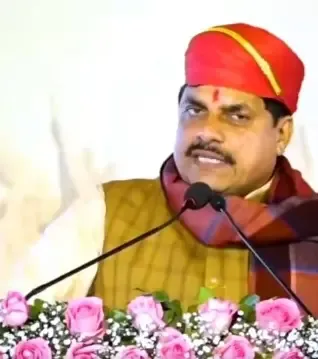
Posting on X, Dr. Yadav stated: 'Soyabean ke baad ab dhan par bhi kisanon ko Bhavantar Yojana ka labh milega' ('After soybean, farmers will now also receive the benefit of the Bhavantar Yojana for paddy'). The announcement signals a deliberate widening of the state's farm income support architecture.
Context
The Bhavantar Bhugtan Yojana is a direct benefit transfer mechanism under which the Madhya Pradesh government compensates farmers when market prices fall below a government-notified threshold. The scheme was first launched in 2017 under then Chief Minister Shivraj Singh Chouhan specifically for soybean growers, who faced recurring price crashes in the state's dominant kharif crop.
The scheme works by calculating the difference — bhavantar, meaning 'price gap' — between the modal market price and the support price, then crediting that amount directly into registered farmers' bank accounts. It was conceived as an alternative to physical procurement, which the state's storage and logistics infrastructure could not always sustain at scale.
Policy Backdrop
Madhya Pradesh is among India's largest producers of both soybean and paddy, with millions of smallholder cultivators dependent on kharif season revenues. Price volatility in paddy markets has long been a source of rural distress, particularly in districts where irrigation access is limited and farmers cannot hold stock to wait for better prices.
By bringing paddy under the Bhavantar Bhugtan Yojana, the Dr. Mohan Yadav government is extending a model that Madhya Pradesh has refined over nearly a decade. Similar price deficiency payment frameworks have been piloted in other states with large kharif acreage, but Madhya Pradesh remains one of the few to have institutionalised such a scheme with direct bank transfers at scale.
Stakeholders and Impact
The immediate beneficiaries are paddy farmers across Madhya Pradesh, who will now have a formal safety net if market arrivals drive prices below the notified floor. Soybean farmers, who have been covered since 2017, are already familiar with the registration and payout process, which may ease onboarding for paddy growers.
Agricultural economists and farmer bodies in the state have previously noted that the scheme's effectiveness depends critically on the notified threshold price, the registration window, and the speed of disbursal. These operational details — including per-quintal compensation rates and the total budget allocation for the paddy component — are yet to be officially notified.
What's Next
The government is expected to release a formal order specifying the support price threshold for paddy, the registration period for eligible farmers, and the total outlay earmarked under the expanded scheme. Farmer organisations and district administrations across paddy-growing belts will be watching for the notification, which will determine how many cultivators can enrol before the kharif harvest season.
The expansion also sets a precedent: if the paddy component demonstrates successful disbursal, pressure may build on the state to bring additional crops — such as maize or pulses — under the Bhavantar Bhugtan Yojana umbrella in subsequent seasons.
Point of View
The Yadav government is deepening a distinctly Madhya Pradesh approach to farm income protection — one that relies on direct cash transfers rather than physical procurement, sidestepping the state's storage constraints. The move fits a broader BJP pattern of reinforcing agrarian support structures ahead of electoral cycles, while also building on institutional memory from the scheme's nine-year run with soybean. The real test, however, will be in implementation: threshold prices, registration ease, and disbursal speed will determine whether the expansion translates into tangible relief or remains a policy announcement. Watchers of India's agricultural policy will note that if Madhya Pradesh demonstrates scalable disbursal for two major kharif crops, it could influence how other states design their own price deficiency frameworks.
NationPress
1 Jul 2026
Frequently Asked Questions
What is the Bhavantar Bhugtan Yojana?
The Bhavantar Bhugtan Yojana is a price deficiency payment scheme run by the Madhya Pradesh government that compensates farmers directly when market prices fall below a government-notified support price, with the difference credited to their bank accounts.
Which crops are now covered under Bhavantar Yojana in Madhya Pradesh?
As of July 2026, the scheme covers both soybean — which has been included since the scheme's launch in 2017 — and paddy, following Chief Minister Dr. Mohan Yadav's latest announcement.
When was the Bhavantar Bhugtan Yojana launched in Madhya Pradesh?
The scheme was launched in 2017 by then Chief Minister Shivraj Singh Chouhan, initially to provide income protection to soybean farmers facing volatile market prices.
How will paddy farmers benefit from the Bhavantar Yojana?
Paddy farmers registered under the scheme will receive a direct bank transfer equal to the gap between the prevailing market price and the government-notified threshold price whenever market rates fall below that floor.
What details are still awaited on the Bhavantar Yojana paddy extension?
The government is yet to officially notify the per-quintal compensation rate for paddy, the farmer registration window, and the total budget allocated to the expanded scheme.