CM Mohan Yadav Hails Cabinet Nod for PM Surya Sarovar Yojana
Synopsis
The Union Cabinet chaired by PM Narendra Modi has approved the Pradhan Mantri Surya Sarovar Yojana, targeting at least 5,000 MW of floating solar PV capacity and 10,000 MWh of energy storage between FY 2026-27 and 2032-33. Madhya Pradesh CM Dr. Mohan Yadav hailed the move as a major step in India's green energy journey.
Key Takeaways
Union Cabinet chaired by PM Narendra Modi approved the Pradhan Mantri Surya Sarovar Yojana on July 31, 2026 .
The scheme targets at least 5,000 MW of floating solar PV projects and 10,000 MWh of energy storage capacity.
Project approvals will be issued from FY 2026–27 to 2030–31 ; financial support runs through FY 2032–33 .
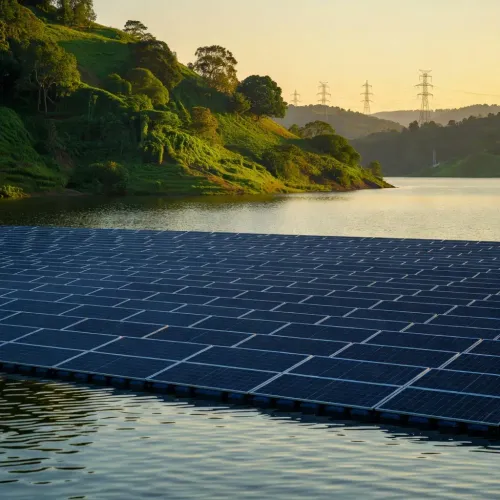
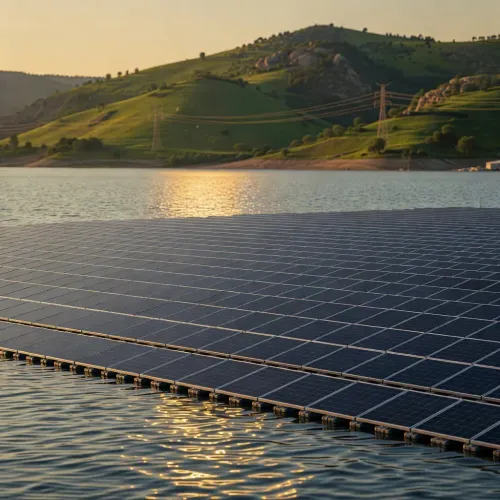
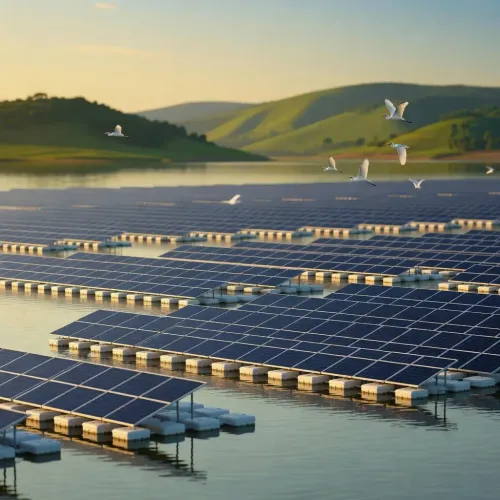
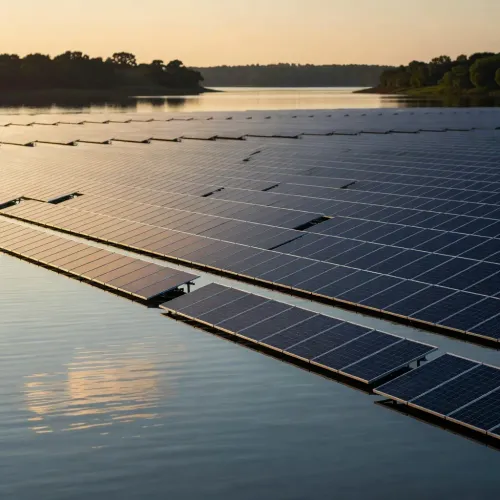
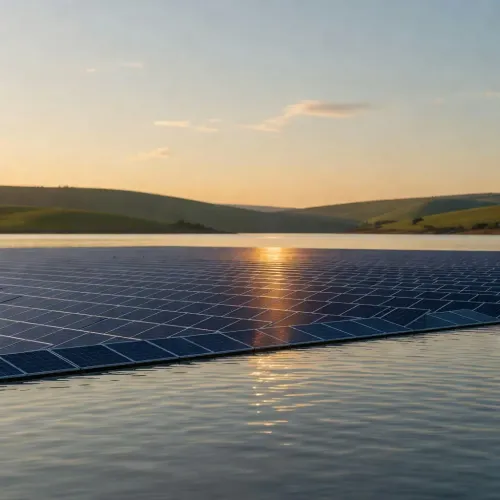
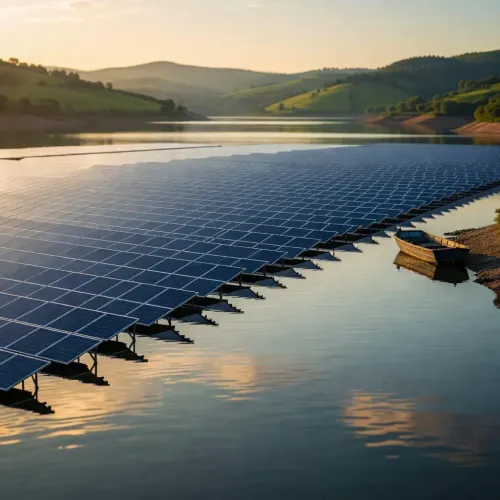
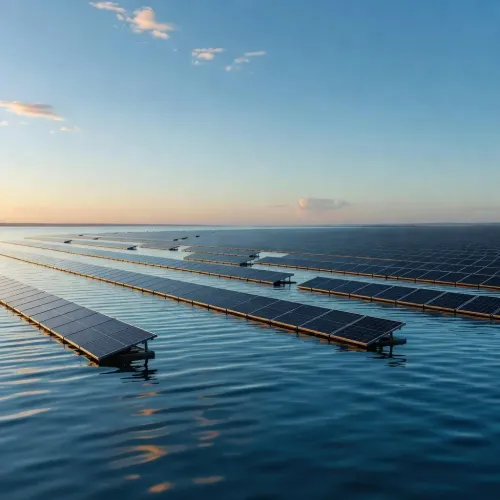
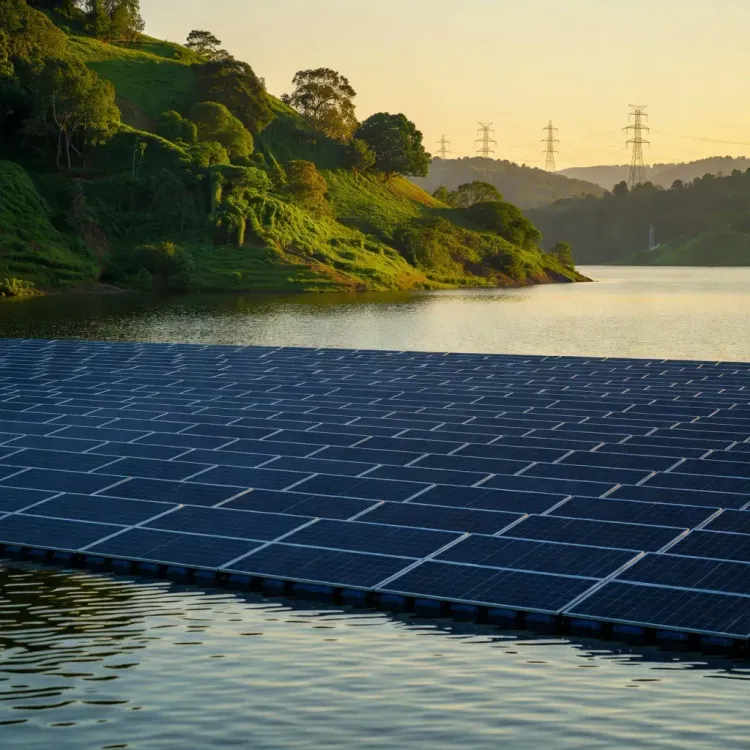
Floating solar on water bodies avoids land acquisition challenges and reduces reservoir evaporation.
Integrated energy storage addresses solar intermittency and supports grid stability during peak demand hours.
Mohan Yadav welcomed the decision as a key step in India's green energy journey.
India's green energy push just got a significant new instrument — and it floats. Madhya Pradesh Chief Minister Dr. Mohan Yadav on Friday, July 31, 2026 welcomed the Union Cabinet's approval of the Pradhan Mantri Surya Sarovar Yojana, a landmark scheme to develop floating solar photovoltaic projects integrated with energy storage systems across the country's water bodies.
Sharing the cabinet decision on X, Dr. Yadav described it as 'हरित ऊर्जा यात्रा को नई गति देने की दिशा में महत्वपूर्ण कदम' — 'an important step toward giving new momentum to the green energy journey.' The scheme was cleared under the chairmanship of Prime Minister Narendra Modi.
5,000 MW on Water: What the Scheme Targets
The scheme sets concrete, measurable goals. At least 5,000 MW of floating solar PV capacity will be developed, paired with 10,000 MWh of energy storage — a combination designed to tackle the oldest problem with solar power: it stops working when the sun goes down. Project approvals will be issued from FY 2026–27 to 2030–31, with financial support extended through FY 2032–33.
The storage integration is the scheme's sharp edge. Batteries absorb surplus daytime generation and release it during evening demand peaks — directly addressing grid instability that has long complicated India's renewable expansion.
Why Reservoirs, Not Land
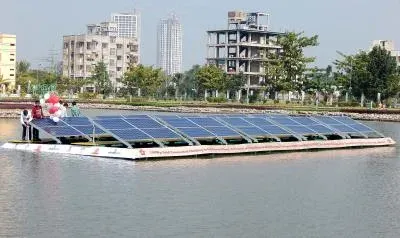
Floating solar is not a novelty — India has been piloting installations on reservoirs and lakes since the mid-2010s. The logic is compelling: water bodies require no land acquisition, panels cool more efficiently over water (boosting output), and the shade they cast measurably reduces evaporation — a meaningful co-benefit in water-stressed states like Madhya Pradesh.
The Pradhan Mantri Surya Sarovar Yojana industrialises that pilot-phase learning into a nationally funded programme. It continues a policy lineage stretching back to the Jawaharlal Nehru National Solar Mission of 2010, which first established India's framework for large-scale solar deployment — a framework that has since been revised upward repeatedly as costs fell and ambition grew.
India's 500 GW Clock Is Ticking
The cabinet decision arrives as India races toward its target of 500 GW of non-fossil fuel capacity by 2030. Ground-mounted solar has driven the bulk of capacity additions so far, but available land — particularly near transmission infrastructure — is increasingly contested. Floating solar on existing reservoirs offers a route to scale without that friction.
Renewable energy developers and state power utilities are the immediate beneficiaries, with project tenders and state-level allocations expected to follow once guidelines are issued from FY 2026–27 onward. The timeline through 2032–33 gives developers a seven-year financial certainty window — long enough to attract serious capital.
The question now is execution speed. India has set ambitious solar targets before; the gap between sanction and commissioning has historically been the story. Whether PM Surya Sarovar Yojana closes that gap will be written in the tender documents, not the cabinet minutes.
Point of View
While bundling storage to address the intermittency problem that has long limited renewable reliability. The seven-year financial support window signals a deliberate attempt to reduce developer risk and attract long-term capital, echoing the viability gap funding models used in earlier infrastructure programmes. For BJP-governed states like Madhya Pradesh, endorsing the scheme also serves a political function — aligning state leadership visibly with a high-profile central initiative ahead of future electoral cycles. The real test will be whether tender issuance and state-level allocation keep pace with the ambitious capacity timeline.
NationPress
31 Jul 2026
Frequently Asked Questions
What is the Pradhan Mantri Surya Sarovar Yojana?
The Pradhan Mantri Surya Sarovar Yojana is a central government scheme approved by the Union Cabinet in July 2026 to develop floating solar photovoltaic projects integrated with energy storage systems on India's water bodies, targeting at least 5,000 MW of solar capacity and 10,000 MWh of storage.
What is the target capacity under PM Surya Sarovar Yojana?
The scheme targets a minimum of 5,000 MW of floating solar PV capacity and 10,000 MWh of energy storage system capacity to be developed across India.
What is the timeline for PM Surya Sarovar Yojana projects?
Project approvals under the scheme will be granted from FY 2026–27 to FY 2030–31, while financial support will be available through FY 2032–33.
Why is floating solar preferred over ground-mounted solar in this scheme?
Floating solar on reservoirs and lakes eliminates the need for land acquisition, improves panel efficiency due to water cooling, and reduces water evaporation — making it a practical and resource-efficient option for scaling up India's renewable capacity.
What did Madhya Pradesh CM Mohan Yadav say about the cabinet decision?
CM Dr. Mohan Yadav welcomed the Union Cabinet's approval, calling it 'an important step toward giving new momentum to the green energy journey' and highlighting the scheme's potential to advance India's renewable energy goals.