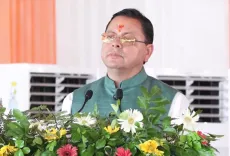
CM Mohan Yadav Hails India-UK FTA Coming Into Force
Synopsis
Madhya Pradesh Chief Minister Dr. Mohan Yadav on 15 July 2026 hailed the coming into force of the India-UK Free Trade Agreement, saying it strengthens India's global economic standing and opens new opportunities for industry, MSMEs, farmers, exporters, and the services sector under PM Modi's leadership.
Key Takeaways
Madhya Pradesh CM Dr.
Mohan Yadav welcomed the India-UK Free Trade Agreement (FTA) coming into force on 15 July 2026 .
He credited Prime Minister Narendra Modi for the agreement and called it a new chapter in India's rising global stature.
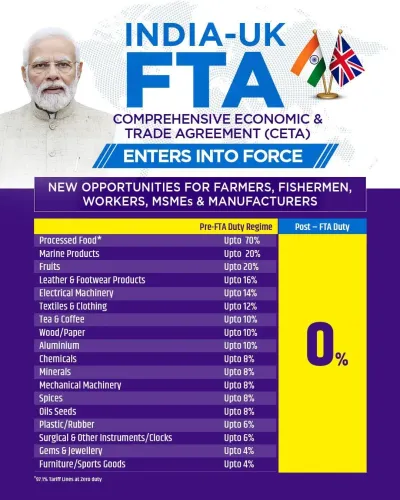
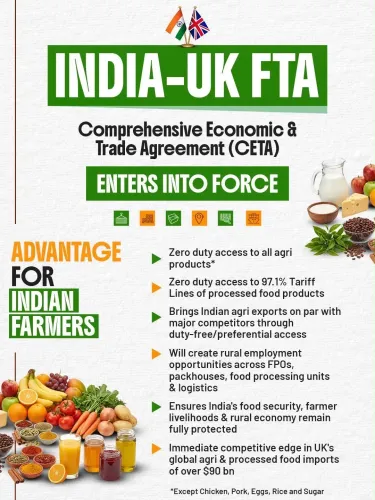
The FTA is expected to benefit industry, MSMEs, farmers, exporters, and the services sector .
Negotiations for the deal were formally launched in January 2022 after the UK's exit from the European Union.
The agreement is part of India's broader FTA strategy, which also includes deals with the UAE and Australia concluded in 2022 .
Key sectors to watch include textiles, pharmaceuticals, and IT services in terms of export gains to the UK.
Madhya Pradesh Chief Minister Dr. Mohan Yadav on Wednesday, 15 July 2026, welcomed the coming into force of the India-UK Free Trade Agreement (FTA), calling it a new chapter in India's rising global stature and crediting Prime Minister Narendra Modi for the landmark development.
Context
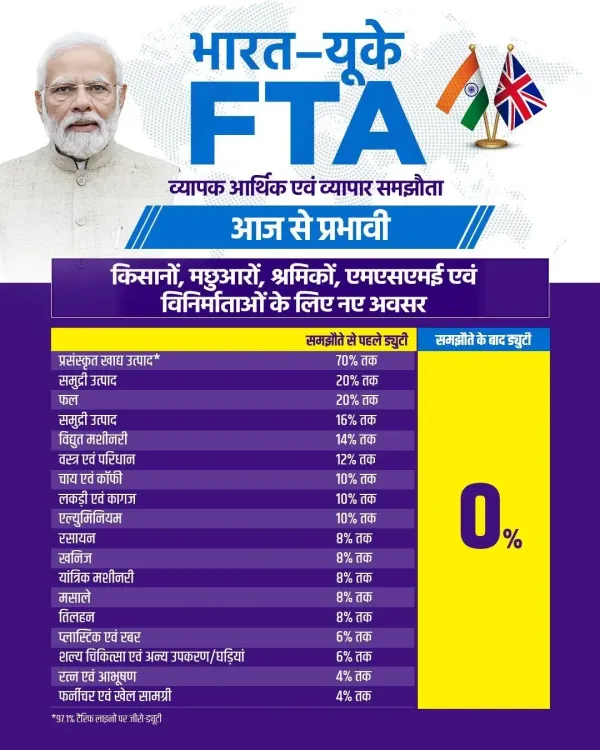
In a post on X, Dr. Yadav described the agreement as a milestone that would 'vishwa mein Bharat ki badhti saakh mein juda naya adhyay' ('a new chapter added to India's growing global reputation'). He stated that the FTA would open new doors of opportunity for industry, MSMEs, farmers, exporters, and the services sector, while giving fresh momentum to the vision of a Viksit Bharat (Developed India).
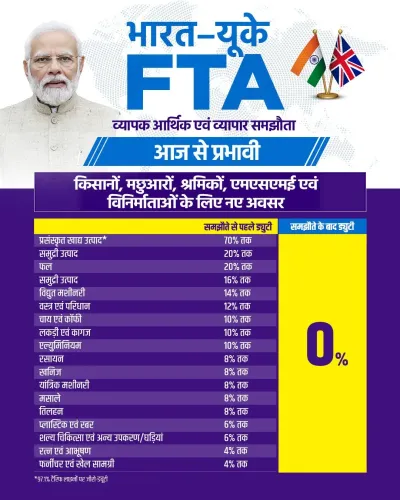
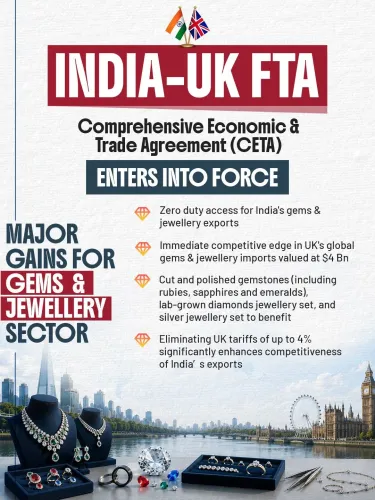
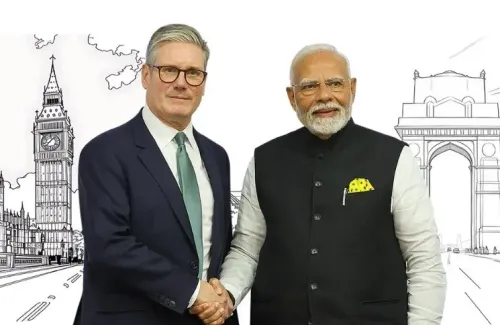
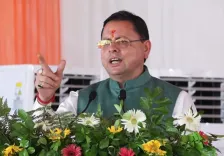
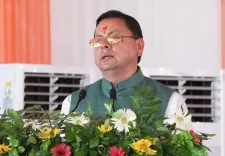
The post was accompanied by two images and carried the hashtag #IndiaUKFTA, reflecting the ruling party's coordinated messaging around the agreement's entry into force.
Policy Backdrop
Formal negotiations for the India-UK Free Trade Agreement were launched in January 2022 following a joint statement by the two governments, with the United Kingdom seeking deeper bilateral trade ties after its departure from the European Union. The deal is part of a broader Indian trade strategy that has seen agreements concluded with the UAE and Australia in 2022, aimed at diversifying export markets and integrating Indian industry into global supply chains.
The India-UK FTA is seen as particularly significant for its potential to expand market access for Indian textiles, pharmaceuticals, and IT services — sectors where Indian exporters have long sought preferential terms in Western markets. The agreement aligns with the government's long-term goal of building a developed economy by 2047 under the Viksit Bharat framework.
Stakeholders and Impact
MSME exporters are among the most closely watched beneficiaries, given that smaller enterprises often face the steepest non-tariff and tariff barriers in bilateral trade. Farmers and agricultural exporters are also expected to benefit from improved access to the UK market, though the specific product schedules and tariff reduction timelines will determine the actual gains on the ground.
The services sector, which includes information technology, professional services, and financial services, stands to gain from provisions that could ease the movement of skilled professionals and streamline cross-border service delivery between the two countries. Madhya Pradesh, with its growing agri-export base and expanding MSME ecosystem, is among the states that could see direct benefits from the agreement.
What's Next
Trade analysts and industry bodies will now closely monitor Indian export data to the United Kingdom in sectors such as textiles, pharmaceuticals, and IT services to assess early gains from the agreement. Any parliamentary scrutiny or review mechanisms built into the final text of the FTA will also shape how its implementation unfolds over the coming months.
As more state-level leaders echo the Centre's messaging, the political and economic spotlight will remain on whether the FTA delivers tangible benefits for the constituencies it has been promised to serve — particularly farmers, small businesses, and service-sector workers across India.
Point of View
Following the template of the UAE and Australia agreements. Whether the FTA delivers measurable gains for the sectors cited will determine how durable this political narrative proves to be.
NationPress
15 Jul 2026
Frequently Asked Questions
What is the India-UK Free Trade Agreement?
The India-UK Free Trade Agreement (FTA) is a bilateral trade deal between India and the United Kingdom aimed at reducing tariffs on goods and easing trade in services. Formal negotiations were launched in January 2022 following the UK's exit from the European Union.
When did the India-UK FTA come into force?
According to statements by Indian leaders including Madhya Pradesh CM Dr. Mohan Yadav, the India-UK FTA came into force on 15 July 2026.
Who will benefit from the India-UK FTA?
The agreement is expected to benefit Indian MSMEs, farmers, exporters, and the services sector — including IT and professional services — by opening up preferential market access in the United Kingdom.
What did CM Mohan Yadav say about the India-UK FTA?
CM Dr. Mohan Yadav said the India-UK FTA adds a new chapter to India's growing global reputation, and that it will open new opportunities for industry, MSMEs, farmers, exporters, and the services sector, giving fresh momentum to the Viksit Bharat vision.
How does the India-UK FTA fit into India's broader trade strategy?
The India-UK FTA is part of India's broader push to diversify trade partners and integrate into global supply chains. India has also concluded FTAs with the UAE and Australia in 2022, with the long-term goal of building a developed economy by 2047.