CM Mohan Yadav: MP Gets 12 Horticultural GI Tags at Once
Synopsis
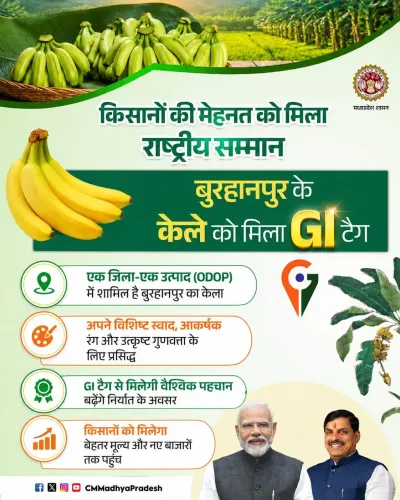
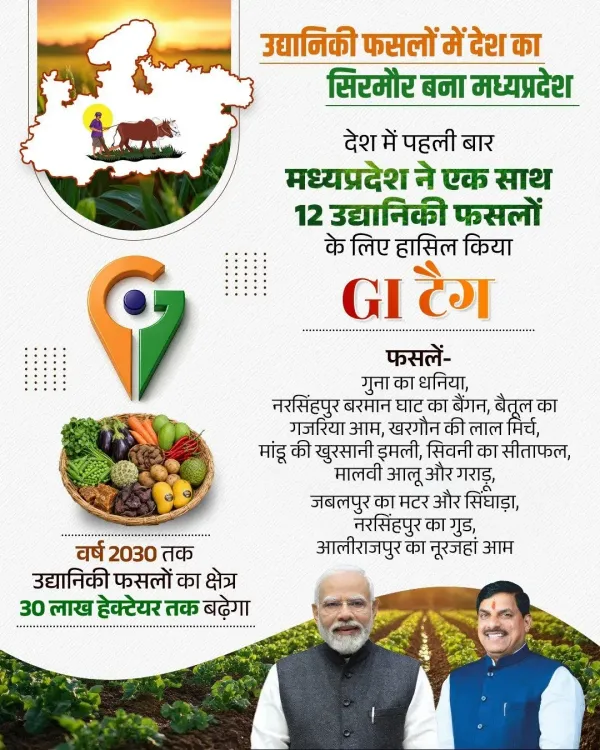
Madhya Pradesh CM Dr. Mohan Yadav announced that 12 horticultural crops from the state received GI tags in a single round — a national first — while proposals for nine more products including Ujjain tamarind and Burhanpur jalebi have been submitted to the GI Registry.
Key Takeaways
12 Madhya Pradesh horticultural crops received Geographical Indication tags simultaneously, described by CM Dr.
Mohan Yadav as a first-ever occurrence at the national level.
Highlighted crops include Jabalpur's Singhada (water chestnut) and Seoni's Sitaphal (custard apple).
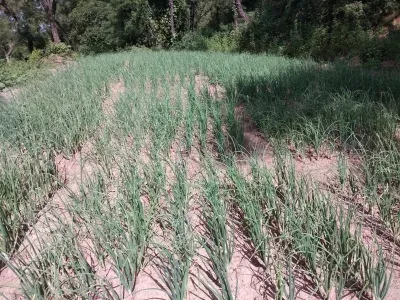
Proposals have been sent for GI tags for nine additional products : Ujjain Imli, Alirajpur Achari Mango, Malwa White Onion, Jhabua Dal-Paniya, Mandsaur Desi Jeera, Burhanpur Jalebi, and Ashok Nagar Khirni.
GI tags are granted under the Geographical Indications of Goods (Registration and Protection) Act, 1999 and confer exclusive regional branding rights.
The move aligns with national Atmanirbhar Bharat and Viksit Bharat frameworks aimed at premium marketing of India's agri produce.
Final decisions on pending proposals rest with the GI Registry in Chennai after formal examination.
Madhya Pradesh Chief Minister Dr. Mohan Yadav announced on Saturday, 4 July 2026 that 12 horticultural crops from the state have received Geographical Indication (GI) tags simultaneously — a first for any Indian state in a single round — calling it a moment of pride for Madhya Pradesh and a milestone in establishing the state's identity on the global stage.
Context
In his post, Dr. Yadav declared Madhya Pradesh the 'siramour' (crown) of the country in horticultural crops, citing the simultaneous GI recognition of 12 crops as unprecedented at the national level. He specifically highlighted Jabalpur's Singhada (water chestnut) and Seoni's Sitaphal (custard apple) as emblematic of the state's diverse agri-horticultural heritage now gaining formal intellectual property protection.
The Chief Minister also announced that proposals have been sent to seek GI tags for additional products: Ujjain's Imli (tamarind), Alirajpur's Achari Mango, Malwa's White Onion, Jhabua's Dal-Paniya, Mandsaur's Desi Jeera (cumin), Burhanpur's Jalebi, and Ashok Nagar's Khirni (a native fruit), signalling a broader state-wide push for GI recognition across its agri-food identity.
Policy Backdrop
GI tags are granted under the Geographical Indications of Goods (Registration and Protection) Act, 1999, which provides statutory branding rights exclusively to region-specific products. The GI Registry, based in Chennai, is the authority responsible for examining and approving such applications.
Since the early 2000s, central and state governments have steadily expanded GI registrations to protect traditional knowledge, enhance rural incomes, and enable premium marketing of agricultural produce in domestic and export markets. Madhya Pradesh's coordinated filing for multiple horticultural items aligns with the national frameworks of Atmanirbhar Bharat and Viksit Bharat, under which states are encouraged to differentiate and brand their produce for higher value realisation.
Stakeholders and Impact
The primary beneficiaries of GI recognition are horticulture farmers and local producers in the designated districts. A GI tag grants exclusive rights to use the geographic name in branding, enabling producers to command premium prices in both domestic and international markets and protecting them from imitation by producers outside the region.
Districts such as Jabalpur, Seoni, Ujjain, Alirajpur, Jhabua, Mandsaur, Burhanpur and Ashok Nagar stand to benefit directly through improved market access and the potential for export promotion campaigns backed by the state government. For smallholder farmers who cultivate these niche crops, GI status can translate into more stable incomes and greater bargaining power in supply chains.
What's Next
The proposals already submitted for the second set of nine products — including Ujjain's Imli and Burhanpur's Jalebi — will now undergo formal examination by the GI Registry in Chennai before any registration decision is made. The timeline for such decisions can vary, and approval is not automatic upon filing.
If the pending proposals are approved, Madhya Pradesh's GI-tagged horticultural portfolio would expand significantly, positioning the state as a leader in agricultural intellectual property among Indian states. The government is expected to follow up approvals with state-level branding campaigns and export promotion measures to translate GI status into tangible economic gains for farming communities.
Point of View
If substantiated through official registry records, would represent a meaningful acceleration in India's use of intellectual property tools for agricultural branding. For CM Dr. Mohan Yadav, the announcement serves a dual political purpose: reinforcing the BJP government's credentials on rural economic development ahead of potential electoral cycles, and anchoring Madhya Pradesh's identity within the 'Viksit Bharat' narrative. The broader pattern of states competing to secure GI tags reflects a growing recognition that geographic branding can translate into export premiums and farmer income gains — but the real test lies in the post-registration marketing infrastructure the state builds around these products.
NationPress
4 Jul 2026
Frequently Asked Questions
What is a GI tag and why does it matter for farmers?
A Geographical Indication (GI) tag is a statutory recognition granted under India's 1999 GI Act that gives producers in a specific region exclusive rights to brand and market a product using its geographic name. For farmers, it enables premium pricing, protects against imitation, and opens doors to export markets.
Which 12 crops from Madhya Pradesh got GI tags?
CM Dr. Mohan Yadav's announcement specifically named Jabalpur's Singhada (water chestnut) and Seoni's Sitaphal (custard apple) among the 12 crops. The complete official list of all 12 will be confirmed by the GI Registry in Chennai.
Which Madhya Pradesh products have been proposed for GI tags next?
The state government has submitted proposals for Ujjain's Imli (tamarind), Alirajpur's Achari Mango, Malwa's White Onion, Jhabua's Dal-Paniya, Mandsaur's Desi Jeera, Burhanpur's Jalebi, and Ashok Nagar's Khirni. These are pending examination by the GI Registry.
Who grants GI tags in India?
The Geographical Indications Registry, located in Chennai, is the statutory authority responsible for examining applications and granting GI tags under the Geographical Indications of Goods (Registration and Protection) Act, 1999.
Is Madhya Pradesh the first state to get 12 GI tags at once?
CM Dr. Mohan Yadav claimed this is the first time in the country that 12 crops have received GI tags simultaneously. Official confirmation of this distinction would need to be verified through GI Registry records.