CM Mohan Yadav Strengthens Anganwadi Centres in Ujjain
Synopsis
Chief Minister Dr. Mohan Yadav visited Ujjain on 15 July 2026 to strengthen Saksham Anganwadi Kendras, conducting on-ground observation and dialogue with workers — reinforcing Madhya Pradesh's alignment with national POSHAN and ICDS goals for early-childhood nutrition and care.
Key Takeaways
Mohan Yadav personally visited Ujjain on 15 July 2026 to oversee Saksham Anganwadi Kendra strengthening.
The visit combined infrastructure observation with direct dialogue ( samvad ) with Anganwadi workers and beneficiaries.
Saksham Anganwadi Kendras are a state initiative to upgrade centres within the national ICDS framework, launched in 1975 .
The exercise aligns with the Government of India's POSHAN Abhiyaan (2018) , which targets reduction of stunting, under-nutrition and anaemia.
Primary beneficiaries include children under six, pregnant women and nursing mothers served by Anganwadi centres in Ujjain .
District-wise rollout and subsequent nutrition-tracking data will indicate the on-ground impact of the initiative.
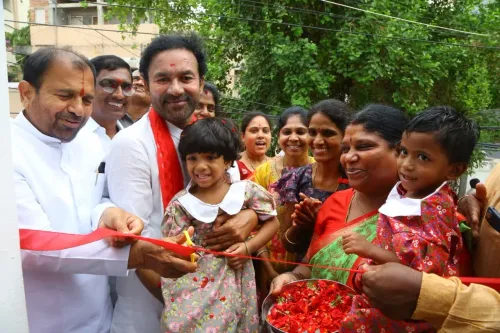
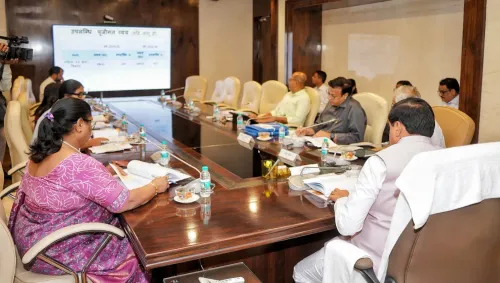
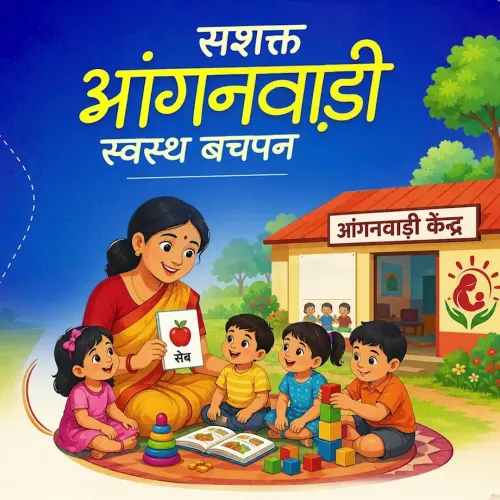
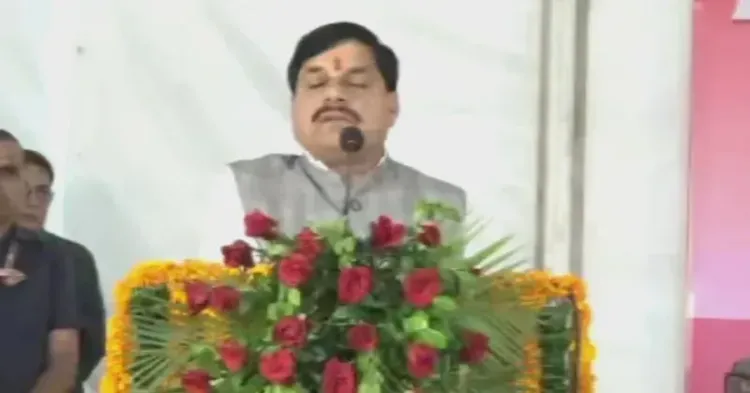
The Chief Minister's Office of Madhya Pradesh announced on Wednesday, 15 July 2026, that Chief Minister Dr. Mohan Yadav visited Ujjain to oversee the strengthening of Saksham Anganwadi Kendras (capable Anganwadi centres), conducting on-ground observations and direct dialogue with workers and beneficiaries.
Context
The Chief Minister's Office shared the visit under the hashtag #Ujjain, describing the exercise as 'sudhridheekaran, avlokan evam samvad' — strengthening, observation and dialogue — at Saksham Anganwadi Kendras in the city. The visit signals the state government's intent to personally monitor frontline welfare infrastructure rather than rely solely on administrative reports.
Dr. Mohan Yadav, who took charge as Chief Minister in December 2023, has consistently emphasised welfare delivery at the district level, with Ujjain — a historic city in western Madhya Pradesh and a key administrative centre — among his priority locations for direct engagement.
Policy Backdrop
The Saksham Anganwadi Kendra initiative is a state-level programme to upgrade Anganwadi infrastructure, worker training and service delivery within the framework of India's Integrated Child Development Services (ICDS), the country's flagship early-childhood nutrition and care programme launched nationally in 1975.
The national POSHAN Abhiyaan, launched by the Government of India in 2018, gave renewed impetus to Anganwadi strengthening by setting measurable targets to reduce stunting, under-nutrition and anaemia among children and mothers. Madhya Pradesh has aligned its own Anganwadi upgradation agenda with these national targets, focusing on physical infrastructure, worker capacity-building and community monitoring across both rural and urban pockets.
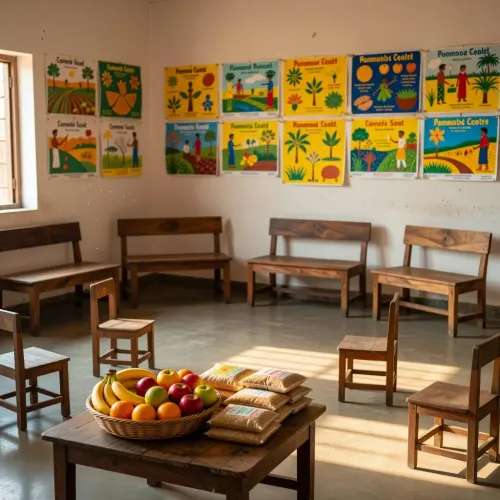
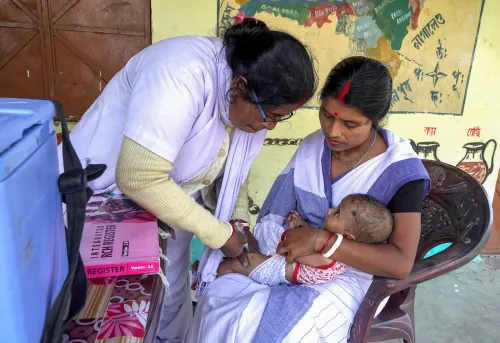
Anganwadi centres serve as the first point of contact for supplementary nutrition, pre-school education and basic health services for children under six and pregnant or lactating women. Strengthening these centres is widely regarded as among the most cost-effective interventions in early-childhood development policy.
Stakeholders and Impact
The primary beneficiaries of upgraded Saksham Anganwadi Kendras are Anganwadi workers and helpers, who gain better facilities and training, and the communities they serve — particularly young children, pregnant women and nursing mothers in and around Ujjain.
The 'samvad' (dialogue) component of the Chief Minister's visit is notable: direct interaction between senior political leadership and frontline workers can surface ground-level challenges — from supply-chain gaps in nutrition supplements to infrastructure deficiencies — that routine administrative channels may miss.
Broader stakeholders include the state's Women and Child Development department, local self-government bodies responsible for centre premises, and civil-society organisations tracking nutrition outcomes in the region.
What's Next
Observers will watch whether the Ujjain visit translates into a district-wise rollout of upgraded Saksham Anganwadi Kendras across Madhya Pradesh, and whether subsequent rounds of the National Family Health Survey (NFHS) or POSHAN tracking data reflect measurable improvement in malnutrition indicators in the state.
The Chief Minister's direct engagement with Anganwadi infrastructure suggests that welfare delivery at the grassroots will remain a visible political and administrative priority for the Yadav government in the months ahead, with similar field visits to other districts a likely follow-up.
Point of View
The CM positions himself as a hands-on administrator attentive to grassroots delivery — a contrast to purely top-down policy announcements. The move also reinforces Madhya Pradesh's alignment with central government nutrition priorities, which can unlock cooperative federalism dividends in the form of enhanced POSHAN Abhiyaan allocations. Whether the visit produces structural improvements or remains a one-off optic will depend on the follow-through in district-level implementation data.
NationPress
15 Jul 2026
Frequently Asked Questions
What is the Saksham Anganwadi Kendra scheme in Madhya Pradesh?
Saksham Anganwadi Kendra is a Madhya Pradesh state initiative to upgrade Anganwadi centre infrastructure, worker training and service delivery under the national Integrated Child Development Services (ICDS) framework, aligning with the Government of India's POSHAN Abhiyaan targets.
Why did CM Mohan Yadav visit Ujjain's Anganwadi centres?
CM Dr. Mohan Yadav visited Ujjain on 15 July 2026 to personally observe the strengthening of Saksham Anganwadi Kendras and hold direct dialogue with Anganwadi workers and beneficiaries, signalling the state government's focus on frontline welfare delivery.
What is ICDS and how does it relate to Anganwadi centres?
Integrated Child Development Services (ICDS) is India's flagship early-childhood nutrition and care programme launched in 1975. Anganwadi centres are its delivery units, providing supplementary nutrition, pre-school education and basic health services to children under six and pregnant or nursing women.
What is POSHAN Abhiyaan and how does Madhya Pradesh fit in?
POSHAN Abhiyaan is a Government of India programme launched in 2018 to reduce stunting, under-nutrition and anaemia. Madhya Pradesh has aligned its Anganwadi upgradation agenda with POSHAN targets, focusing on infrastructure, worker training and community monitoring.
Who benefits from upgraded Anganwadi centres in Ujjain?
The primary beneficiaries are children under six years of age, pregnant women and nursing mothers in and around Ujjain, along with Anganwadi workers who gain improved facilities and training through the Saksham Anganwadi Kendra upgrades.