CM Mohan Yadav Transfers Ladli Behna Installment in Umaria
Synopsis
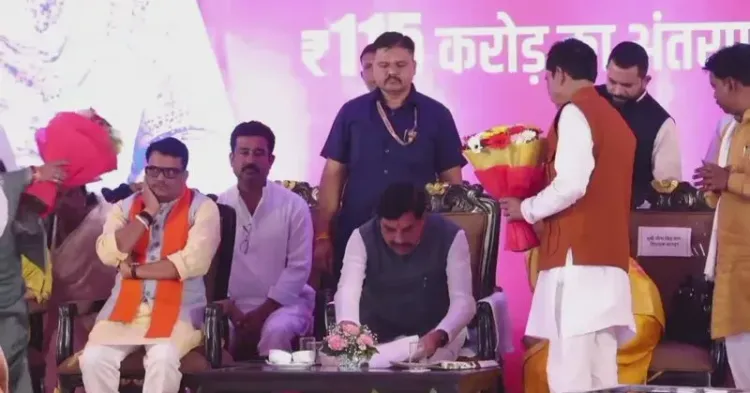
Chief Minister Dr. Mohan Yadav chaired a Mukhyamantri Ladli Behna Yojana installment transfer ceremony at Gram Guruvahi in Umaria district on 14 October 2026, channelling monthly Rs. 1,000 direct cash transfers to eligible women in one of Madhya Pradesh's most underserved tribal areas.
Key Takeaways
Mohan Yadav attended as chief guest at the Ladli Behna installment transfer event on 14 October 2026 .
The event was held at Gram Guruvahi in Umaria district , eastern Madhya Pradesh — a predominantly tribal area.
The Mukhyamantri Ladli Behna Yojana provides Rs.
1,000 per month via direct benefit transfer to eligible women.
The scheme was originally launched in 2023 under then-CM Shivraj Singh Chouhan and has been continued by Dr.
Holding the ceremony in a remote tribal district underscores the state government's emphasis on last-mile delivery of welfare benefits.
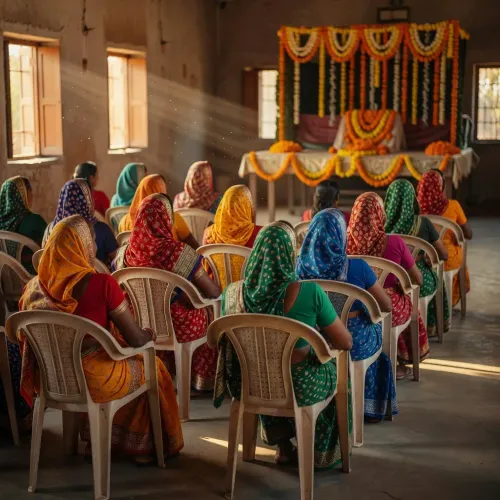
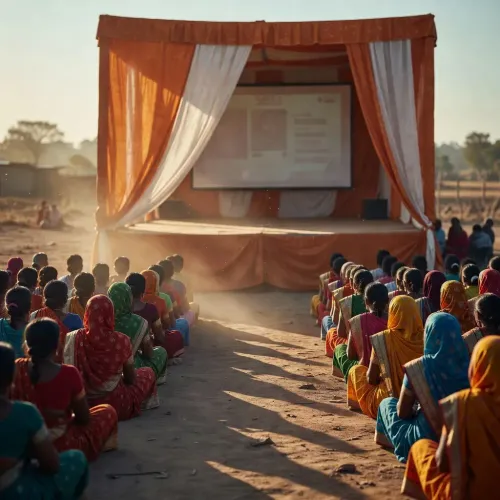
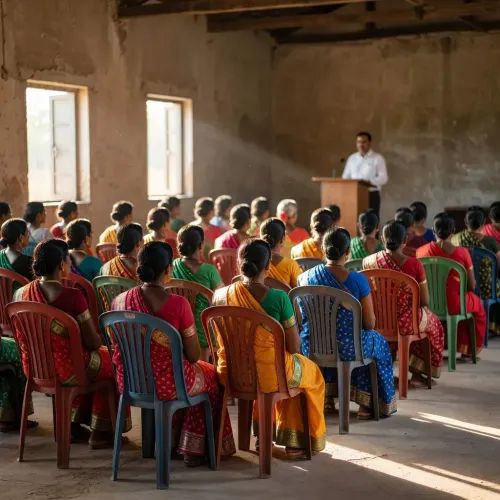
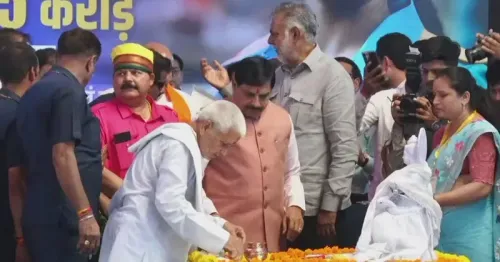
Cash arrived in thousands of accounts on Wednesday, 14 October 2026, as Chief Minister Dr. Mohan Yadav presided over a kishta antaran (installment transfer) ceremony under the Mukhyamantri Ladli Behna Yojana — and he chose Gram Guruvahi, Umaria district, a predominantly tribal corner of eastern Madhya Pradesh, to do it.
The Chief Minister's Office of Madhya Pradesh confirmed the event on X, noting that Dr. Yadav attended as the chief guest for the disbursement programme held in the village. The scheme delivers a monthly direct benefit transfer of Rs. 1,000 to eligible women, routed straight into their bank accounts — no middlemen, no paperwork queue at a district office.Why Guruvahi, and why it matters
Umaria sits in the Vindhya-Satpura belt, home to a large scheduled-tribe population and historically among Madhya Pradesh's lower-income districts. Holding the disbursement ceremony here rather than in Bhopal is a deliberate signal: the scheme's reach extends to the state's most remote households, not just its urban beneficiaries. The choice of venue frames the transfer not merely as a welfare transaction but as a visible state presence in a district where that presence has often been thin.
Ladli Behna's policy lineage
The Mukhyamantri Ladli Behna Yojana was launched in 2023 by then Chief Minister Shivraj Singh Chouhan as a flagship direct-cash-transfer initiative aimed at women's economic empowerment. Dr. Yadav, who took charge as Chief Minister in December 2023, has continued the scheme, making periodic installment events a visible fixture of his administration's calendar. Madhya Pradesh has layered several gender-targeted welfare programmes over successive BJP governments, positioning direct benefit transfers to women as both a social-equity tool and a political touchstone.
The direct-transfer mechanics
Under the scheme, each eligible woman receives Rs. 1,000 per month transferred directly to her bank or Jan Dhan account. The design bypasses traditional delivery chains, reducing leakage and giving recipients autonomy over how the money is spent — a model that welfare economists have increasingly endorsed for rural, low-income households. For a district like Umaria, where daily wage income is volatile, a predictable monthly inflow carries outsized stabilising value.
Whether the state's next budget cycle brings a revision to the monthly amount or a widening of eligibility norms will be the measure of how seriously Madhya Pradesh intends to deepen the scheme's reach — because for the women of Guruvahi, the question is never whether the money came, but whether it will keep coming.
Point of View
And Dr. Yadav's decision to stage the disbursement ceremony in a tribal district like Umaria — rather than in Bhopal — reflects a conscious effort to associate the scheme with grassroots reach rather than administrative optics. Direct benefit transfers to women have proven politically durable across India because they are visible, personal, and difficult for successors to quietly discontinue. The next test for the scheme is whether the monthly quantum holds or grows: in a high-inflation environment, Rs. 1,000 buys measurably less than it did at launch, and any stagnation in the amount risks turning a flagship into a footnote.
NationPress
14 Oct 2026
Frequently Asked Questions
What is the Mukhyamantri Ladli Behna Yojana?
It is a Madhya Pradesh state scheme launched in 2023 that provides Rs. 1,000 per month as direct benefit transfer to eligible women, aimed at women's financial empowerment.
Who launched the Ladli Behna Yojana?
The scheme was launched in 2023 by then Chief Minister Shivraj Singh Chouhan and has been continued under current Chief Minister Dr. Mohan Yadav.
Where was the October 2026 Ladli Behna installment transfer event held?
The event was held at Gram Guruvahi in Umaria district, eastern Madhya Pradesh, with CM Dr. Mohan Yadav as the chief guest.
How much money do beneficiaries receive under Ladli Behna Yojana?
Eligible women receive Rs. 1,000 per month transferred directly to their bank accounts under the scheme.
Who is eligible for the Mukhyamantri Ladli Behna Yojana in Madhya Pradesh?
The scheme targets eligible women in Madhya Pradesh, with transfers made via direct benefit transfer to bank or Jan Dhan accounts; specific eligibility criteria are set by the state government.