CM Dhami Govt Pushes Local Products, Rural Self-Employment in Uttarakhand
Synopsis
The Uttarakhand government under CM Pushkar Singh Dhami is reinforcing its drive to promote locally-made products and expand self-employment in rural areas, with Nainital district in focus, anchored by the Mukhyamantri Swarozgar Yojana.
Key Takeaways
CM Pushkar Singh Dhami's government has reaffirmed its commitment to promoting local products and rural self-employment in Uttarakhand .
The post is tagged to Nainital , signalling district-level activity under this agenda.
The Mukhyamantri Swarozgar Yojana , launched around 2020–2021 , remains the key policy instrument providing loans and support to rural entrepreneurs.
The initiative aligns with the national Vocal for Local priority and targets sectors including handicrafts, herbs, dairy, and tourism.
No new budget figures or scheme launches were announced; the post reflects ongoing policy direction rather than a fresh rollout.
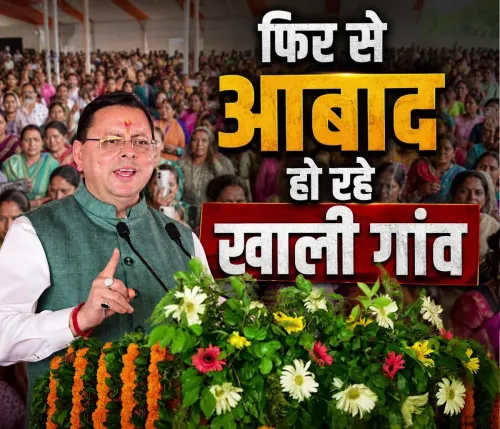
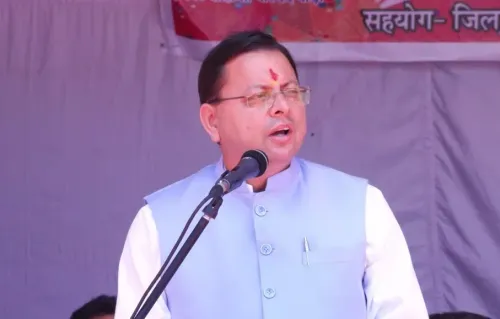
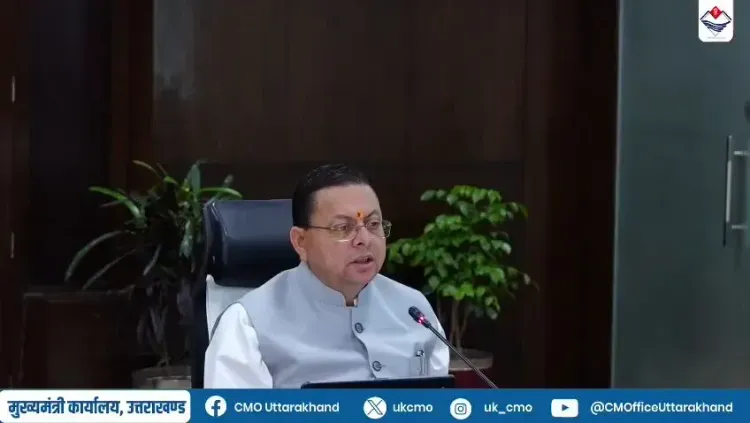
In the hills of Uttarakhand, where out-migration has long hollowed out village economies, the state government is doubling down on an agenda it has championed since 2021 — putting local products at the centre of rural livelihoods. The Chief Minister's Office of Uttarakhand posted on Wednesday, October 14, 2026, reaffirming that the government under Chief Minister Pushkar Singh Dhami is 'continuously working to promote local products and increase self-employment opportunities in rural areas.'
What the state is actually doing on the ground
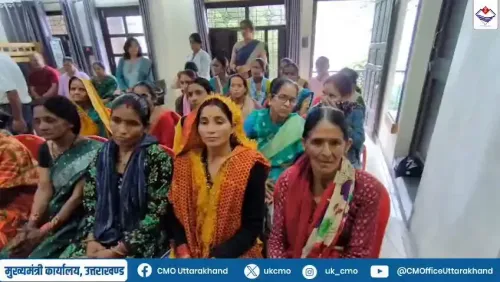
The post, tagged to Nainital, signals that the government's rural economic push is being actively showcased in one of Uttarakhand's most prominent districts — a region whose economy blends tourism, small-scale agriculture, and artisan craft. Nainital's rural hinterland has historically struggled with seasonal income and a weak formal job market, making it a key test bed for self-employment schemes.
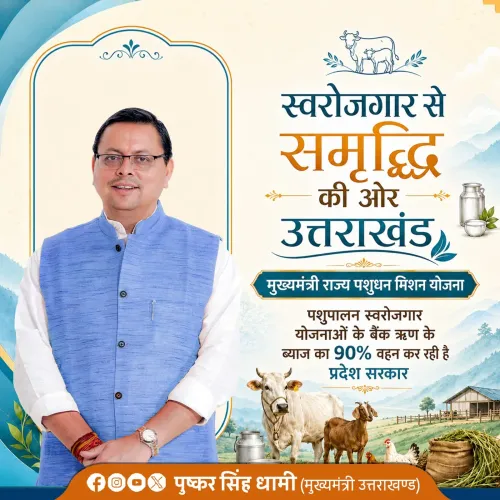
The bedrock policy here is the Mukhyamantri Swarozgar Yojana, launched around 2020–2021, which channels subsidised loans and government support to rural entrepreneurs and artisans. The scheme sits at the intersection of two priorities: arresting the steady drain of working-age residents to plains cities, and building a micro-economy around what the hills already produce — herbs, handicrafts, dairy, and experiential tourism.
Vocal for Local meets mountain reality
Uttarakhand's push is not happening in a vacuum. It mirrors the national Vocal for Local framework that has pushed states to identify, brand, and market indigenous products with more institutional muscle. Hill economies, however, face compounding disadvantages — poor connectivity, thin margins, and weak cold-chain infrastructure — that make the aspiration harder to translate into durable income.
CM Dhami's government has leaned into this challenge by positioning local product promotion as both an economic and cultural statement: Uttarakhand's identity, the argument goes, is its best supply chain. Whether in Nainital's lakeside markets or remote Van Panchayat zones, the state has pushed artisans and rural producers toward formal branding and digital marketplaces.
The numbers that will matter next
The post carries no fresh announcement or budget figure — it is a reaffirmation of ongoing direction rather than a new programme launch. What will determine its real impact is the detail that follows: how many new beneficiaries are enrolled under Swarozgar schemes in Nainital district, what marketing infrastructure is being built, and whether rural household incomes in targeted blocks are actually shifting. Those numbers are the ones to watch.
For a state that loses thousands of young workers every year to plains cities, turning a government slogan into a measurable livelihood shift is the only metric that counts.
Point of View
The administration is keeping political ownership of the 'Vocal for Local' narrative in a state where economic identity and cultural identity are deeply intertwined. The Nainital tag suggests the government wants visible, tourism-adjacent wins to demonstrate momentum. The harder test remains whether micro-enterprise support translates into enough income to keep working-age residents in the hills — a metric no reaffirmation post can answer on its own.
NationPress
14 Oct 2026
Frequently Asked Questions
What is the Mukhyamantri Swarozgar Yojana in Uttarakhand?
The Mukhyamantri Swarozgar Yojana is a state scheme launched around 2020–2021 that provides subsidised loans and government support to rural entrepreneurs and artisans in Uttarakhand, aiming to build self-employment in the hills and reduce out-migration.
What local products does the Uttarakhand government promote?
The Uttarakhand government promotes products including mountain herbs and spices, traditional handicrafts, dairy items, and experiential tourism offerings, aligning with the national Vocal for Local framework.
Why is Nainital significant for Uttarakhand's rural economy push?
Nainital is a prominent Uttarakhand district where tourism, small-scale agriculture, and artisan crafts converge, making it a key showcase for the state's rural self-employment and local product promotion initiatives.
Who is CM Pushkar Singh Dhami?
Pushkar Singh Dhami has been the Chief Minister of Uttarakhand since March 2021, leading a government focused on state development, local industry promotion, and expanding employment opportunities in rural and hill areas.
How does Uttarakhand's local product drive connect to the Vocal for Local campaign?
Uttarakhand's promotion of hill-made products directly mirrors the national Vocal for Local priority, which encourages states to brand and market indigenous goods; the state government uses this framework to formalise rural artisans and connect them to wider markets.