Odisha CMO: Skill Centres in Every District for Local Jobs
Synopsis
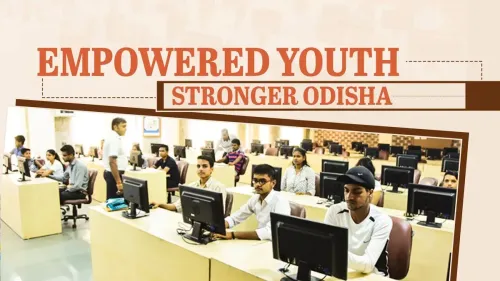
The Chief Minister's Office of Odisha on 14 October 2026 announced plans to open skill centres in every district and industrial area, providing industry-oriented training to local youth as part of a broader push for decentralised employment generation across all 30 districts.
Key Takeaways
The Odisha government aims to drive industrialisation and employment creation in all 30 districts , not just coastal hubs.
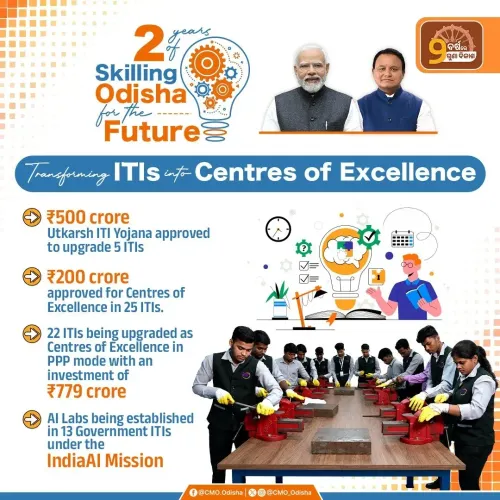
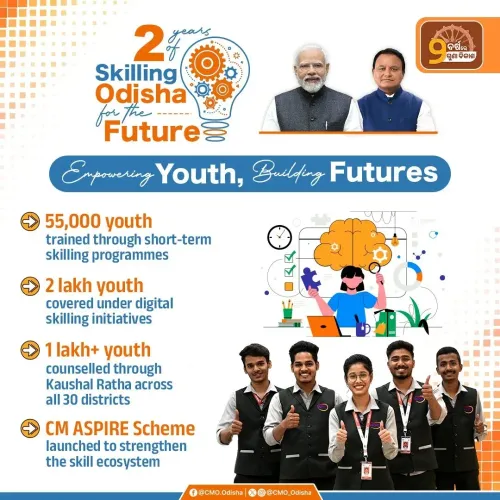
New skill centres will be established in every district and industrial area, with curricula tailored to sector-specific industry needs.
The state is engaging directly with industrial entrepreneurs to maximise local hiring commitments.
The push builds on the Odisha Industrial Policy 2015 and aligns with the national Skill India framework.
Key details — number of new centres, rollout timeline, and budget allocation — are yet to be officially announced.
Jobs are no longer a privilege of the coastline. The Chief Minister's Office of Odisha on Wednesday, 14 October 2026, announced a push to spread industrialisation across all 30 districts of the state — and to back that ambition with a concrete workforce plan: more skill centres, built where the factories are going.
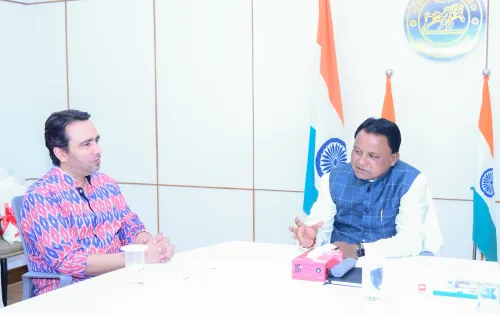
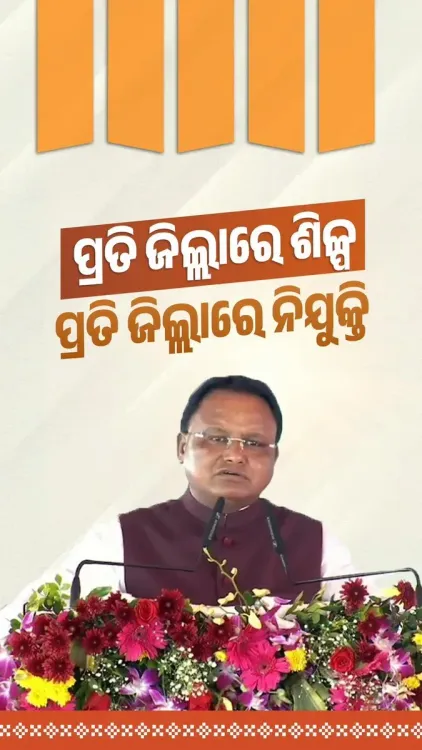
The post, shared in both Odia and English, laid out the government's twin-track goal. 'The government aims to promote industrialisation across every district of Odisha while creating employment opportunities for local youth,' the official statement read. The mechanism is direct — skill centres planted inside every district and industrial area, calibrated to the precise workforce needs of industries operating there. Negotiations with industrial entrepreneurs are already underway, the post stated, with the explicit aim of maximising local hiring.
Why district-level industrialisation matters in Odisha
For decades, Odisha's industrial story was written almost entirely along its eastern corridor — Bhubaneswar, Paradip, Angul, Rourkela. The interior districts, despite sitting atop vast mineral wealth, remained employment deserts. Young people left. The problem was not a shortage of industry; it was a mismatch — industries clustered in a few nodes, skills concentrated nowhere. District-level skill centres are, at their core, an answer to that geography problem.
Odisha's Industrial Policy 2015 first formalised the goal of drawing investment to districts beyond the major urban centres, offering incentives to industries willing to set up in underserved areas. The current push extends that lineage, adding the skills infrastructure that earlier policy rounds left underbuilt. The alignment with the national Skill India framework also opens potential central funding channels, though specific budget allocations for this latest expansion have not yet been announced.
Industry-first training — what makes it different
The phrase 'industry-oriented training' carries real weight here. Generic vocational courses have a poor employment conversion record in India; training designed around the actual hiring needs of a metals plant or a logistics hub is a different proposition entirely. By anchoring skill centre curricula to sector-specific demands — metals, petrochemicals, logistics and light manufacturing are Odisha's dominant industrial verticals — the state is betting on a tighter loop between training and placement.
The stated channel for this alignment is direct dialogue with shilpa udyogīṅku (industrial entrepreneurs), who would presumably co-design or at least validate training modules. Whether that process produces binding local-hiring commitments or remains advisory is the key detail still outstanding. Watch for any formal MoUs between the state government and private sector players that attach employment guarantees to these skill centre announcements.
The out-migration clock is still ticking
Odisha has lost working-age population to migration for generations — to construction sites in Surat, brick kilns in Andhra Pradesh, factories in Punjab. Every scheme aimed at local employment creation runs against that clock. The government's framing is urgent and the direction is right. The proof will be in two numbers the state has not yet published: how many new skill centres, and by when.
A state that gets decentralised industrialisation and workforce development to move in lockstep has a template the rest of India will study closely. Odisha is not there yet — but on 14 October 2026, it said, loudly, that it intends to be.
Point of View
A distinction that will determine whether this push dents out-migration or simply generates positive headlines.
NationPress
14 Oct 2026
Frequently Asked Questions
What is Odisha government's plan for skill centres in 2026?
The Odisha government announced on 14 October 2026 that it will establish more skill centres in every district and industrial area to provide industry-oriented vocational training to local youth, as part of a broader push to generate employment across all 30 districts.
Why is Odisha expanding skill centres to every district?
Odisha's industrial growth has historically been concentrated around coastal and urban hubs like Bhubaneswar and Paradip, leaving interior districts with high unemployment. Expanding skill centres aims to match local workforce skills with the needs of industries being set up in each district, reducing out-migration.
How does Odisha plan to ensure local youth get jobs in new industries?
The government is engaging in direct discussions with industrial entrepreneurs to encourage maximum local hiring, and plans to tailor skill centre training to the specific workforce requirements of industries operating in each area.
What is Odisha's Industrial Policy and how does it relate to this announcement?
Odisha's Industrial Policy 2015 promoted district-level investment by offering incentives to industries setting up outside major urban centres. The current skill centre expansion builds on that policy by adding the workforce development infrastructure needed to make decentralised industrialisation effective.
How many districts does Odisha have and which ones benefit from this scheme?
Odisha has 30 districts. The announcement targets all of them, with skill centres to be set up in every district and industrial area to ensure employment opportunities are not limited to a few urban or coastal zones.