Odisha CM Office Launches Skill Centres in 3 Cities
Synopsis
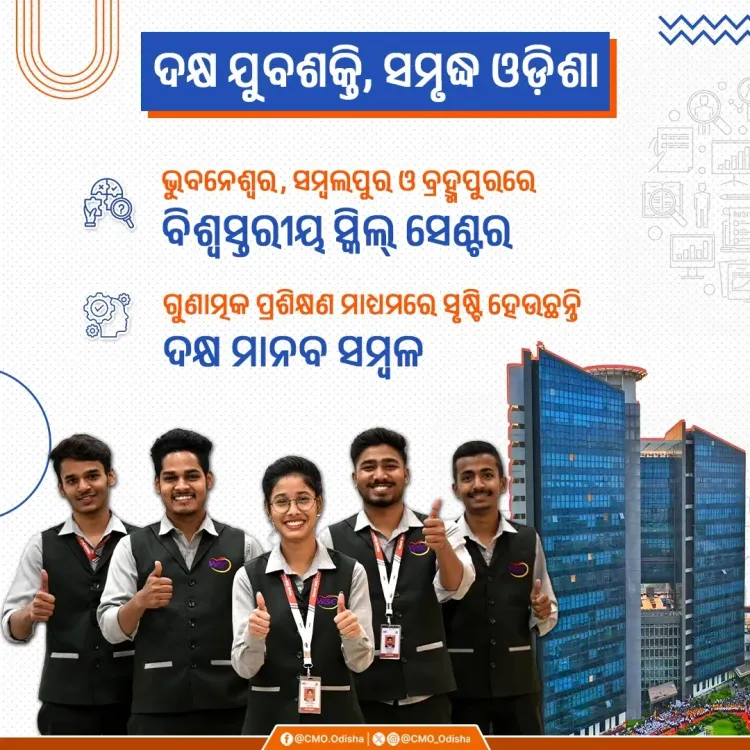
The Chief Minister's Office of Odisha announced three new modern skill centres in Bhubaneswar, Sambalpur, and Brahmapur on June 19, 2026, aimed at equipping state youth with world-class, industry-aligned vocational training as part of the government's two-year industrial momentum drive.
Key Takeaways
The Chief Minister's Office of Odisha announced modern skill centres in Bhubaneswar , Sambalpur , and Brahmapur on June 19, 2026 .
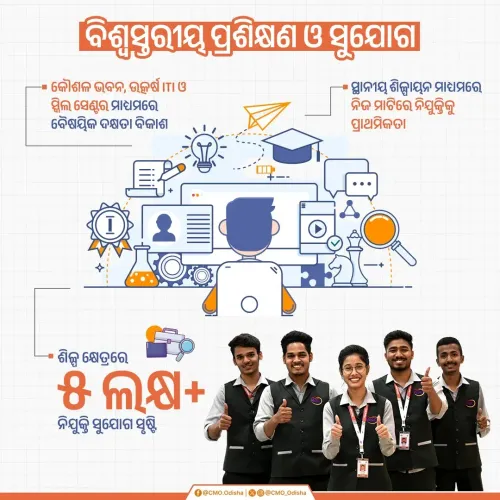
The centres aim to provide world-class vocational training aligned with future industrial workforce requirements.
The three-city spread ensures geographic coverage across eastern, western, and southern Odisha .
The announcement was made under #2YearsofLokankaSarakar and #2YearsOfIndustrialMomentum , marking two years of the current government.
The initiative aligns with the national Skill Development Mission framework launched in 2015 .
Placement outcomes and potential expansion to additional districts remain the key metrics to watch.
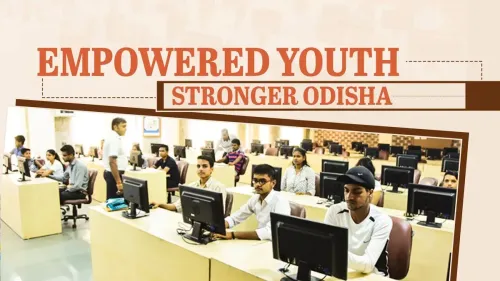
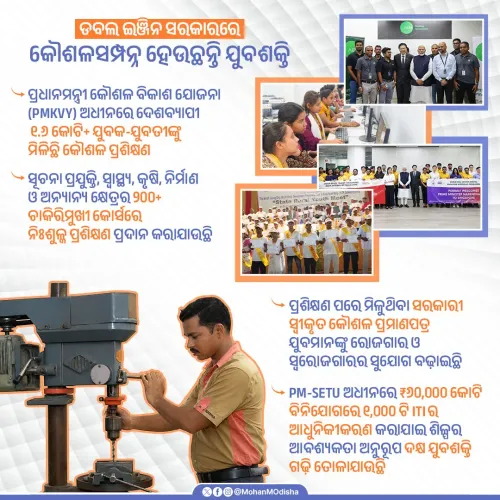
The Chief Minister's Office of Odisha announced on Friday, June 19, 2026, that the state government has established modern skill centres in Bhubaneswar, Sambalpur, and Brahmapur, reaffirming its commitment to equipping Odisha's youth with world-class competencies for emerging industries.
The official post, shared in Odia, stated: 'ଓଡ଼ିଶାର ଯୁବଶକ୍ତିଙ୍କୁ ବିଶ୍ୱସ୍ତରୀୟ ଦକ୍ଷତା ସହ ସଶକ୍ତ କରିବା ପାଇଁ ସରକାର ସଂକଳ୍ପବଦ୍ଧ' — 'The government is committed to empowering Odisha's youth with world-class skills.' The announcement was made under the hashtags #2YearsofLokankaSarakar and #2YearsOfIndustrialMomentum, marking a milestone in the current government's two-year tenure.
Context
The three cities chosen for the skill centres represent a deliberate geographic spread across Odisha. Bhubaneswar, the state capital, anchors the eastern corridor; Sambalpur serves the western hinterland; and Brahmapur (also known as Berhampur) covers the southern region. This distribution signals an intent to decentralise access to high-quality vocational training beyond the capital.
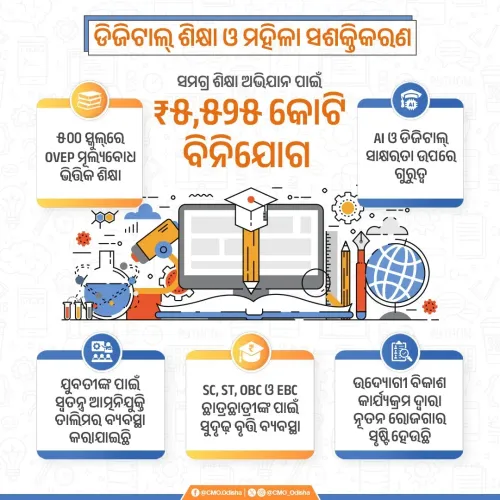
The CMO described the facilities as 'high-quality training' infrastructure designed to prepare 'skilled human resources for the industrial needs of the future.' The phrasing reflects a demand-driven approach — aligning training curricula with actual employer requirements rather than generic certification programmes.
Policy Backdrop
Odisha's push fits within a broader national framework. The National Skill Development Mission, launched in 2015, tasked states with scaling vocational training and building region-specific workforce pipelines. Odisha has progressively aligned its state-level skill infrastructure with this mandate, targeting sectors including manufacturing, information technology, and services.
Multiple Indian states have opened regional skill hubs in recent years to close the gap between graduate output and industry-ready talent. Odisha's three-city rollout follows this pattern while emphasising 'world-class' standards — a signal that the centres may incorporate industry partnerships or internationally benchmarked curricula, though specific scheme details have not been confirmed.
Stakeholders and Impact
The primary beneficiaries are Odisha's youth, particularly those in tier-2 cities who previously had limited access to structured vocational training. Industrial employers operating in the state stand to gain a locally trained talent pool, potentially reducing recruitment and relocation costs.
The hashtag #2YearsOfIndustrialMomentum suggests the skill centres are being positioned as part of a wider industrial policy narrative — linking workforce development directly to investment attraction and manufacturing growth in the state.
What's Next
Observers and policymakers will watch for placement rates, industry certification outcomes, and enrolment figures from the three centres as the clearest indicators of impact. Any announcement of expansion to additional districts — particularly underserved tribal and coastal areas — would signal the programme's scalability.
The government's framing of this initiative under a two-year governance milestone also suggests further skill-sector announcements may follow as the administration consolidates its policy record ahead of future electoral cycles.
Point of View
' the CMO is explicitly linking human capital investment to the state's broader industrial attraction pitch — a pattern increasingly common among states competing for manufacturing investment post-2020. The choice of Sambalpur and Brahmapur alongside Bhubaneswar is politically significant: it signals intent to spread development dividends beyond the capital, addressing a long-standing criticism of urban-centric policy. Whether the centres deliver measurable placement outcomes will determine if this remains optics or becomes a durable policy achievement.
NationPress
19 Sept 2026
Frequently Asked Questions
Where are the new skill centres in Odisha located?
The three new modern skill centres are located in Bhubaneswar , Sambalpur , and Brahmapur (Berhampur), covering eastern, western, and southern Odisha respectively.
What is the purpose of Odisha's new skill centres?
The centres are designed to provide world-class vocational training to Odisha's youth, preparing them with skills aligned to future industrial and employment demands in sectors such as manufacturing, IT, and services.
When did Odisha announce the new skill centres?
The Chief Minister's Office of Odisha announced the skill centres on Friday, June 19, 2026 , as part of a two-year governance milestone.
How do these skill centres relate to national skill development policy?
The centres align with the National Skill Development Mission launched in 2015 , which tasked Indian states with scaling vocational training infrastructure to bridge the gap between graduates and industry-ready talent.
Who benefits from the Odisha skill centres?
The primary beneficiaries are Odisha's youth , especially in tier-2 cities, along with industrial employers in the state who gain access to locally trained, industry-ready workers.