CM Naidu Writes to Centre for GM Soybean Meal Import Nod
Synopsis
Andhra Pradesh CM Chandrababu Naidu has written to Union Fisheries Minister Rajiv Ranjan Singh seeking permission for shrimp feed manufacturers to import genetically modified soybean meal, arguing that surging prices of the key feed ingredient are causing severe financial hardship for shrimp farmers in the state.
Key Takeaways
Chandrababu Naidu wrote to Union Minister Rajiv Ranjan Singh on 20 July 2026 seeking import permission for GM soybean meal for shrimp feed use.
Soybean meal is the primary protein ingredient in shrimp feed, and its rising price has increased overall feed production costs.
Shrimp farmers in Andhra Pradesh are facing financial distress as a direct consequence of elevated feed costs.
Andhra Pradesh is India's leading farmed shrimp-producing state with significant seafood export interests.
India currently restricts GM commodity imports under biosafety regulations; any approval would require a specific central policy carve-out.
The Centre's response will determine whether shrimp feed manufacturers receive cost relief and whether the state's export competitiveness is protected.
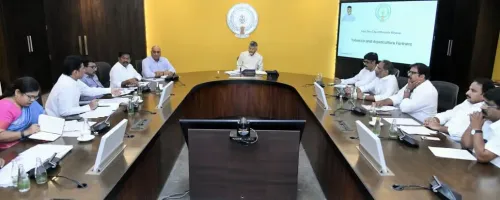
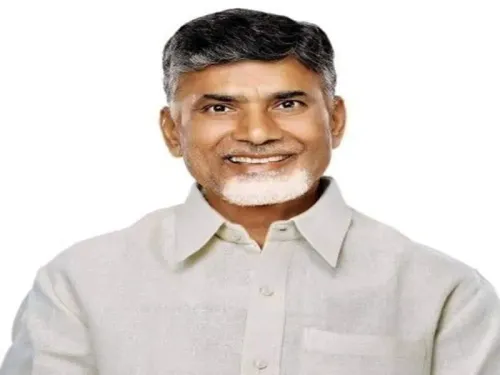
Andhra Pradesh Chief Minister N. Chandrababu Naidu wrote to Union Minister for Fisheries, Animal Husbandry and Dairying Rajiv Ranjan Singh on Monday, 20 July 2026, urging the Centre to permit shrimp feed manufacturers to import genetically modified (GM) soybean meal, citing surging input costs that are pushing shrimp farmers into financial distress.
Context
The Chief Minister's Office of Andhra Pradesh shared the development on social media, noting that Naidu flagged a sharp rise in the price of soybean meal — the primary protein ingredient in shrimp feed — as the trigger for the letter. The communication requests that feed manufacturers be granted a specific import window for GM soybean meal to ease a domestic supply shortfall and bring prices under control.
The letter states that rising feed production costs have translated directly into financial hardship for shrimp farmers across the state, who operate on thin margins in an export-oriented market.
Policy Backdrop
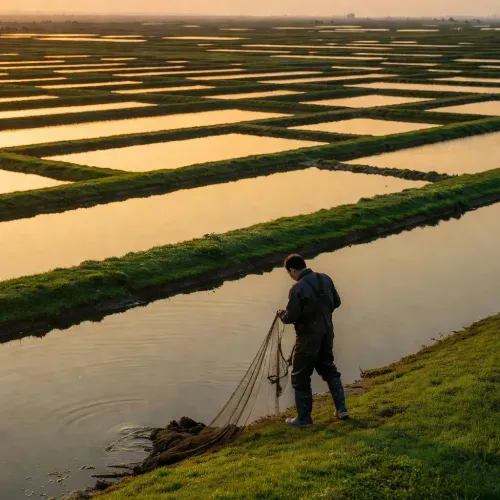
Andhra Pradesh is India's leading farmed shrimp-producing state and a major contributor to the country's seafood export earnings. Feed costs typically account for a significant share of total shrimp production expenses, making soybean meal prices a critical variable for farmer profitability.
India currently restricts the import of genetically modified agricultural commodities under biosafety regulations overseen by central agencies. Permitting GM soybean meal for aquafeed use would require a specific policy carve-out, balancing the needs of the aquaculture sector against domestic soybean grower interests and biosafety considerations — a decision that rests with the Union Ministry of Fisheries, Animal Husbandry and Dairying in coordination with other central bodies.
Domestic supply shortfalls of soybean meal have periodically prompted state-level requests for import relief in the past, though central approvals for GM variants have remained restricted.
Stakeholders and Impact
Shrimp farmers and feed manufacturers are the most immediate stakeholders. If feed input costs remain elevated, producers face a squeeze between higher costs and globally competitive export prices, potentially reducing the competitiveness of Indian shrimp in key markets.
Domestic soybean farmers and oilseed processors represent a countervailing interest — any import liberalisation, even limited to feed use, could affect domestic commodity prices. The Centre will need to weigh both sets of interests before issuing a decision.
What's Next
The ball is now in Union Minister Rajiv Ranjan Singh's court. A formal inter-ministerial review — likely involving the ministries handling agriculture, commerce, and environment — would precede any change in import policy for GM commodities.
If the Centre approves the request, even on a time-bound or volume-capped basis, it could provide near-term cost relief to Andhra Pradesh's shrimp farming community and help sustain the state's position as a leading seafood exporter. The industry will be watching the Centre's response closely in the weeks ahead.
Point of View
The Chief Minister positions the Centre's response as a test of its commitment to the coastal agrarian economy. The GM import question also sits at the intersection of biosafety regulation and trade competitiveness — a fault line that the Centre has historically navigated cautiously. How quickly the Union Ministry responds will signal the NDA alliance's sensitivity to one of Andhra Pradesh's most economically significant rural constituencies.
NationPress
21 Jul 2026
Frequently Asked Questions
Why is CM Chandrababu Naidu asking for GM soybean meal imports?
CM Naidu wrote to the Union Fisheries Minister seeking permission to import genetically modified soybean meal because its prices have risen sharply, increasing shrimp feed production costs and causing financial hardship for shrimp farmers in Andhra Pradesh.
What is GM soybean meal and why is it used in shrimp feed?
Genetically modified soybean meal is a protein-rich ingredient derived from GM soybean crops. It is the primary protein source in shrimp aquafeed, making its price a critical factor in the overall cost of shrimp farming.
Can India import genetically modified soybean meal?
India currently restricts imports of genetically modified agricultural commodities under biosafety regulations. Permitting GM soybean meal for aquafeed use would require a specific policy decision by the central government, involving multiple ministries.
How important is Andhra Pradesh to India's shrimp industry?
Andhra Pradesh is India's leading farmed shrimp-producing state and a major contributor to the country's seafood export earnings, making its aquaculture sector economically significant at the national level.
Who is Rajiv Ranjan Singh and what is his role here?
Rajiv Ranjan Singh is the Union Minister for Fisheries, Animal Husbandry and Dairying. He is the addressee of CM Naidu's letter and the minister with jurisdiction over import policy decisions affecting the aquaculture feed sector.