CM Nayab Saini Reviews Haryana Vision-2047 Farm Action Plan
Synopsis
Chief Minister Nayab Singh Saini chaired a high-level review in Chandigarh on 3 July 2026, examining agriculture, horticulture, fisheries, and animal husbandry schemes under Haryana Vision-2047, with a focus on natural farming and zero-budget agriculture over the next five years.
Key Takeaways
CM Nayab Singh Saini chaired the review meeting in Chandigarh on 3 July 2026 .
The meeting reviewed schemes across agriculture, horticulture, fisheries, and animal husbandry departments.
A key priority is enrolling more farmers in natural farming over the next five years .
Promotion of zero-budget farming and adoption of modern agricultural technologies were emphasised.
The review is part of the Haryana Vision-2047 action plan, aligned with the national Viksit Bharat@2047 framework.
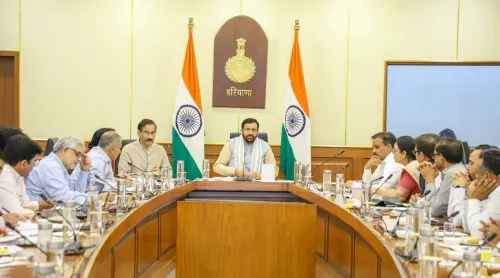
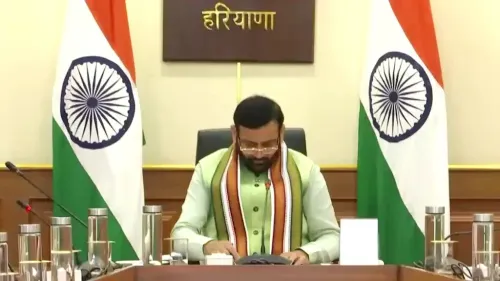
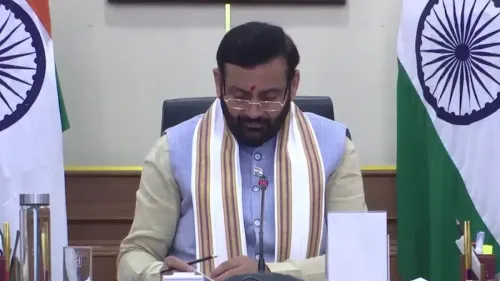
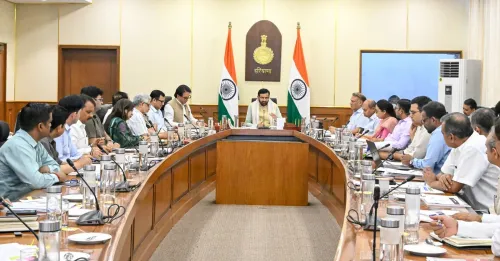
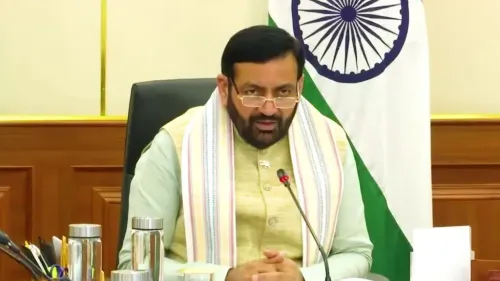
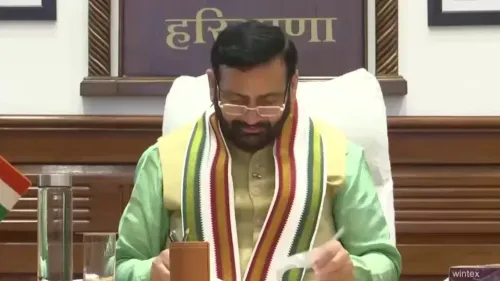
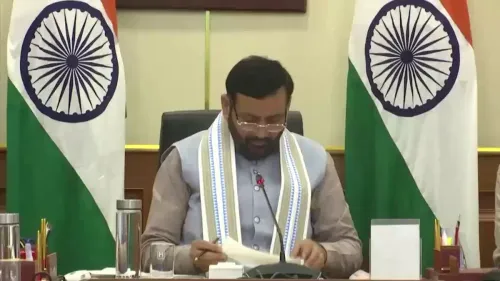
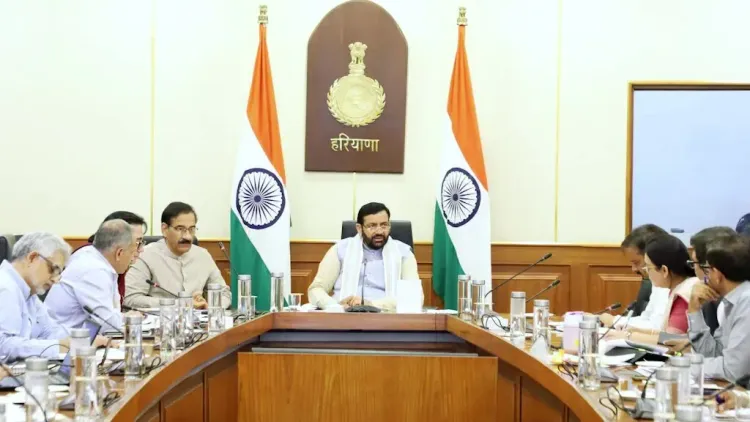
The Chief Minister's Office of Haryana announced on Friday, 3 July 2026, that Chief Minister Nayab Singh Saini chaired a high-level review meeting in Chandigarh to assess schemes under the agriculture, horticulture, fisheries, and animal husbandry departments as part of the Haryana Vision-2047 action plan.
Context
The meeting, held under CM Saini's chairmanship, examined various ongoing programmes across four key rural-economy departments. According to the official post, special emphasis was placed on connecting more farmers with natural farming over the next five years, promoting zero-budget farming, and expanding the use of modern agricultural technologies.
The original post stated: 'agले पाँच वर्षों में अधिक से अधिक किसानों को प्राकृतिक खेती से जोड़ने' ('linking as many farmers as possible to natural farming over the next five years') as a core priority of the action plan review.
Policy Backdrop
Haryana Vision-2047 is the state's long-term development framework, aligned with the national Viksit Bharat@2047 goal of building a developed India by the centenary of independence. The review meeting is part of a structured effort to translate that long-horizon vision into department-level action plans with measurable priorities.
Zero Budget Natural Farming (ZBNF) is a low-input agricultural model that seeks to eliminate dependency on purchased chemical inputs, relying instead on locally available biological inputs. Several Indian states have promoted ZBNF as a tool to reduce cultivation costs for smallholders and address long-term soil degradation. Haryana's horticulture and agriculture missions have been building natural farming clusters since 2023.
CM Nayab Singh Saini, who assumed office in March 2024 after succeeding Manohar Lal Khattar, has positioned agricultural modernisation and farmer welfare as central planks of the state government's agenda.
Stakeholders and Impact
The primary beneficiaries of the action plan are Haryana's farming community, particularly smallholders who bear the highest burden of input costs. A shift toward zero-budget and natural farming, if implemented at scale, could reduce dependence on chemical fertilisers and pesticides, lowering per-acre costs.
The fisheries and animal husbandry departments were also reviewed alongside agriculture and horticulture, signalling a broad-based approach to rural livelihoods rather than a narrow focus on crop farming alone. Departmental officials and senior bureaucrats participated in the high-level meeting, suggesting implementation targets are being set at an administrative level.
What's Next
The five-year horizon cited in the meeting sets a medium-term benchmark for farmer enrolment in natural farming programmes. Observers will watch for linked budget allocations in upcoming state financial plans that operationalise the priorities discussed in this review.
As Indian states compete to align sub-national plans with the 2047 centenary development goals, Haryana's structured departmental reviews under Vision-2047 could serve as a template for translating long-term aspirations into sector-specific roadmaps — provided implementation targets are publicly disclosed and monitored.
Frequently Asked Questions
What is Haryana Vision-2047?
Haryana Vision-2047 is the state government's long-term development framework aligned with India's national Viksit Bharat@2047 goal, setting priorities across sectors including agriculture for the country's centenary of independence.
What is zero-budget natural farming?
Zero-budget natural farming (ZBNF) is a low-input agricultural practice that eliminates the need for purchased chemical fertilisers and pesticides, relying on locally available biological inputs to reduce costs for farmers.
What did CM Nayab Saini's meeting on 3 July 2026 decide?
The meeting reviewed schemes under agriculture, horticulture, fisheries, and animal husbandry departments, and emphasised connecting more farmers to natural farming over five years, promoting zero-budget farming, and using modern agricultural technologies.
Who is Nayab Singh Saini?
Nayab Singh Saini is the Chief Minister of Haryana, who took office in March 2024 after succeeding Manohar Lal Khattar, and has made agricultural modernisation a key focus of his administration.
How does Haryana's natural farming push relate to central government policy?
Haryana's natural farming initiative aligns with central government efforts to promote sustainable agriculture and reduce chemical input dependency, forming part of a broader national strategy for food system sustainability by 2047.