Owaisi flags Instagram ads promoting child exploitation in India
Synopsis
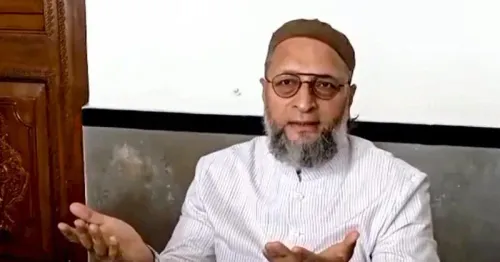
AIMIM president Asaduddin Owaisi raised alarm on 3 July 2026 over a report alleging Instagram ran ads promoting child sexual exploitation material in India. He called on social media platforms to go beyond lip service and proactively remove such content, spotlighting gaps in India's intermediary compliance regime under POCSO and the IT Rules, 2021.
Key Takeaways
Asaduddin Owaisi , AIMIM president and Hyderabad MP, flagged on 3 July 2026 that Instagram is allegedly running ads promoting child sexual exploitation material in India .
Owaisi demanded proactive action from social media platforms, stating 'mere lip service is not enough.' India's POCSO Act, 2012 criminalises child sexual abuse material and places legal obligations on online intermediaries.
The IT (Intermediary Guidelines) Rules, 2021 require large platforms like Meta -owned Instagram to appoint grievance officers and remove unlawful content expeditiously or risk losing safe-harbour protection.
The matter could be raised in Parliament's monsoon session , potentially compelling a response from the Ministry of Electronics and IT .
Similar advertising-system concerns have triggered regulatory action globally, including under the EU's Digital Services Act .
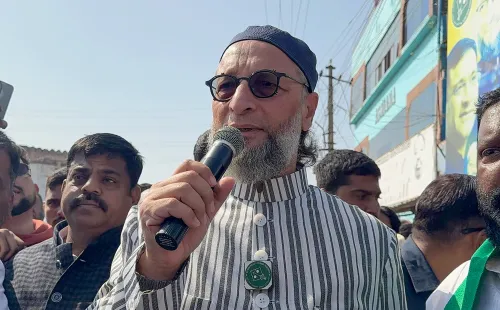
AIMIM president Asaduddin Owaisi on Friday, 3 July 2026, raised alarm over a report alleging that Instagram is running advertisements that promote child sexual exploitation material in India and profiting from such content. The Hyderabad MP called on social media platforms to proactively eliminate such activity, saying 'mere lip service is not enough.'
Context
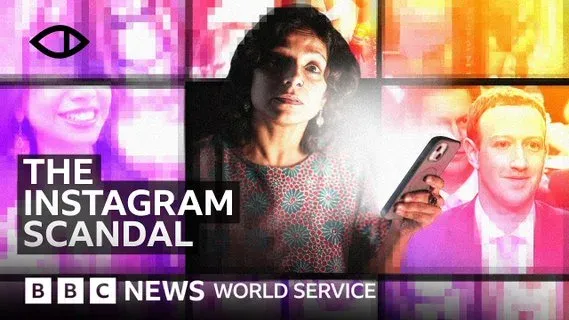
Owaisi flagged what he described as 'an extremely concerning report' about Instagram monetising content linked to child sexual exploitation in India. Without attributing the report to any specific outlet, he shared a link to a video documenting the alleged practice. His post demanded that platforms move beyond verbal commitments and take concrete, pre-emptive action against such material.
The concern sits at the intersection of child safety law and platform accountability — two areas where Indian regulators have been progressively tightening their grip on foreign social media companies operating in the country.
Policy Backdrop
India's Protection of Children from Sexual Offences (POCSO) Act, 2012 explicitly criminalises the creation, possession and distribution of child sexual abuse material, and places obligations on online intermediaries to report and remove such content. Failure to comply can attract criminal liability under both POCSO and the Information Technology Act.
The Information Technology (Intermediary Guidelines and Digital Media Ethics Code) Rules, 2021 further require large social media platforms — a category that includes Meta Platforms-owned Instagram — to appoint local grievance officers, act on takedown requests within stipulated timelines, and ensure their systems are not used to host or promote unlawful content. Platforms that fail to comply risk losing their 'safe harbour' immunity from liability for user-generated content.
Meta Platforms has faced recurring scrutiny in multiple jurisdictions over its advertising systems, which rely heavily on automated targeting and can, critics argue, be gamed to surface harmful content alongside paid promotions.
Stakeholders and Impact
India is home to one of the world's largest internet user bases, and Instagram counts hundreds of millions of active users in the country. Children and adolescents form a significant and growing segment of that user base, making robust content moderation a matter of direct public safety concern.
Child rights advocates have long argued that ad-revenue models create perverse incentives for platforms to tolerate borderline or harmful content. When advertising revenue is algorithmically tied to engagement, they contend, platforms may inadvertently — or negligently — monetise material that should be immediately removed. The allegation that such ads were running specifically in India raises questions about whether localised compliance and monitoring are adequate.
Owaisi's intervention carries legislative weight: as a Lok Sabha MP, he can raise the matter through parliamentary questions, private member bills, or adjournment motions, potentially forcing a ministerial response from the Ministry of Electronics and Information Technology (MeitY).
What's Next
Pressure is likely to mount on MeitY to direct Instagram and its parent Meta Platforms to audit their advertising pipelines for compliance with POCSO and the IT Rules, 2021. The upcoming monsoon session of Parliament could see the issue raised on the floor, given its cross-party sensitivity.
Globally, similar concerns have prompted regulatory action — the European Union's Digital Services Act mandates risk assessments for very large online platforms, including scrutiny of advertising systems, while proposed child safety legislation in other jurisdictions has targeted algorithmic amplification of harmful content. India's own Digital India Act, under deliberation, is expected to address platform accountability more comprehensively. Whether this episode accelerates that process remains to be seen.
Point of View
Long-running debate about whether India's intermediary liability framework has real teeth. By framing it as a revenue issue — Instagram 'making money' from such content — he shifts the discourse from passive negligence to active complicity, raising the legal and moral stakes for Meta. The timing, ahead of the monsoon session, suggests the issue could graduate from social media outrage to parliamentary scrutiny. If MeitY is compelled to respond, it would test whether the IT Rules, 2021 are an effective enforcement tool or remain largely aspirational.
NationPress
3 Jul 2026
Frequently Asked Questions
What did Asaduddin Owaisi say about Instagram and child exploitation?
Owaisi flagged a report alleging that Instagram is running advertisements that promote child sexual exploitation material in India and profiting from it, calling on platforms to proactively eliminate such content rather than offer 'mere lip service.'
Is it illegal to host or promote child sexual abuse material in India?
Yes. The POCSO Act, 2012 criminalises the creation, possession and distribution of child sexual abuse material, and the IT Rules, 2021 require social media platforms to remove such content expeditiously or risk losing legal immunity.
What action can the Indian government take against Instagram over this?
The Ministry of Electronics and IT (MeitY) can direct Instagram to audit its advertising systems, issue compliance notices under the IT Rules, and in extreme cases recommend blocking the platform if it fails to act. Instagram could also lose its safe-harbour protection under the IT Act.
What is Meta's obligation under Indian law regarding child safety?
As a significant social media intermediary, Meta is required under the IT Rules, 2021 to appoint a local grievance officer, proactively identify and remove child sexual abuse material, and report violations to law enforcement under the POCSO Act.
Could this issue come up in the Indian Parliament?
Yes. As a Lok Sabha MP , Owaisi can raise the matter through parliamentary questions or adjournment motions during the monsoon session, potentially forcing a formal ministerial response from the government.