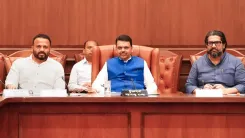
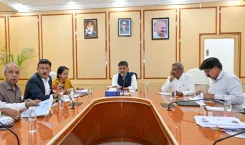
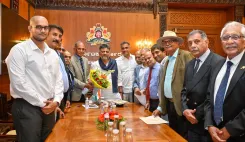
CM Nitish Kumar: World-Class Townships to Drive Viksit Bihar
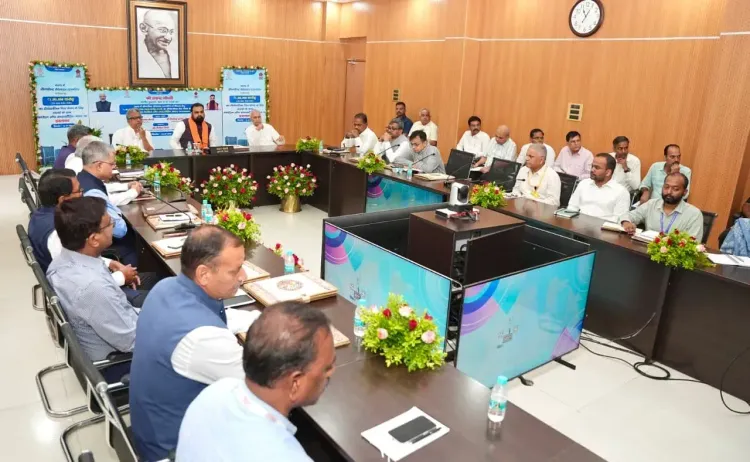
Synopsis
Chief Minister Nitish Kumar on 3 July 2026 declared that world-class townships with modern civic infrastructure — roads, water, sewerage, green spaces, education and health — will accelerate Bihar's urban growth and fulfil the 'Viksit Bihar' resolve.
Key Takeaways
CM Nitish Kumar stated on 3 July 2026 that world-class townships are central to Bihar's urban development strategy.
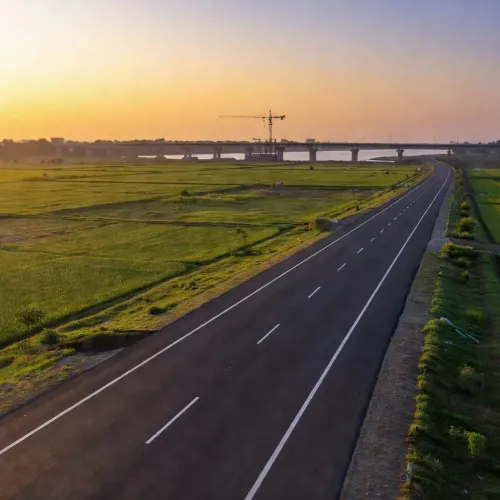
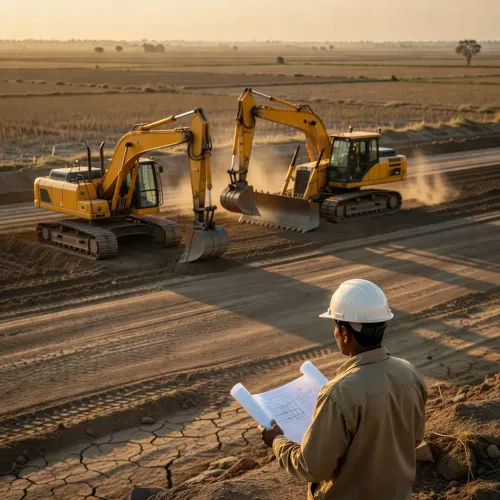
Planned townships will include modern roads, water supply, sewerage systems, green zones, education and health facilities .
The initiative is framed under the 'Viksit Bihar' vision, mirroring the national 'Viksit Bharat' goal.
Bihar is one of India's most under-urbanised large states, making township development a structural priority.
Urban residents and the real estate sector are identified as key stakeholders likely to be impacted.
Follow-up budget allocations and tender notifications will determine whether the statement translates into concrete projects.
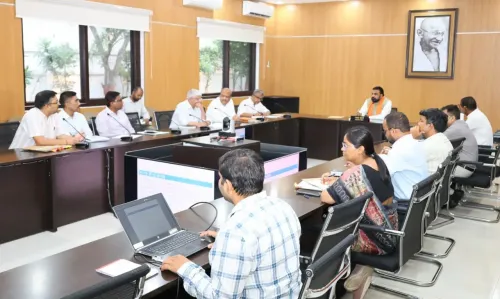
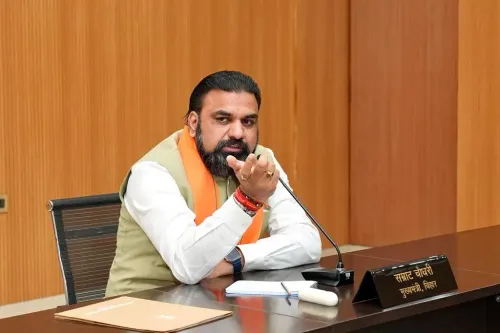
The Chief Minister's Office of Bihar on Friday, 3 July 2026, shared a statement from Chief Minister Nitish Kumar affirming that world-class townships equipped with modern roads, water supply, sewerage, green spaces, education, and health facilities will give new momentum to the state's urban development and play a pivotal role in realising the vision of a 'Viksit Bihar' (Developed Bihar).
Context
In the statement shared by the official CMO account, CM Nitish Kumar said that townships furnished with 'aadhunik sadak, jalapurti, sewerage, harit kshetra, shiksha, swasthya tatha anya nagrik suvidhaon' — modern roads, water supply, sewerage, green zones, education, health, and other civic amenities — will accelerate Bihar's future urban growth. He described such infrastructure as central to fulfilling the 'Viksit Bihar' resolve. The remark signals a renewed executive push to frame urban township development as a state priority heading into the latter half of 2026.
Policy Backdrop
Bihar remains one of India's most under-urbanised large states, and successive governments have linked modern township creation to reducing the state's dependence on agrarian income and curbing large-scale out-migration to other states. Urban development master plans and projects tied to the national AMRUT (Atal Mission for Rejuvenation and Urban Transformation) scheme have been part of the state's civic infrastructure push since the 2010s. The 'Viksit Bihar' framing deliberately echoes the national 'Viksit Bharat' (Developed India) goal, positioning the state's ambitions within the broader federal development narrative championed at the Centre.
Stakeholders and Impact
Urban residents across Bihar's tier-2 and tier-3 cities stand to be the most direct beneficiaries if planned townships deliver on promised civic infrastructure — particularly reliable water supply, sewerage networks, and accessible health and education facilities. The real estate sector is watching closely, as state-backed township announcements historically attract private developer interest and can trigger land-value movements in peri-urban zones. Reduced out-migration, a persistent socio-economic challenge for the state, is an often-cited downstream benefit that planners associate with improved urban liveability.
What's Next
The immediate indicators to watch will be state budget allocations directed at township projects and any follow-up notifications — including land-acquisition orders or tender floatations — that translate this policy statement into on-ground action. Upcoming assembly sessions will be a key forum where the government's financial commitment to the 'Viksit Bihar' urban agenda will be tested. Analysts will look for specific project announcements, site selections, and timelines before assessing the statement's concrete policy weight.
If sustained through budgetary backing and execution, the township-led urban development model could mark a structural shift in how Bihar approaches city-building — moving from incremental civic upgrades toward integrated, planned urban centres designed to retain talent and attract investment.
Point of View
The CMO is deliberately aligning state ambition with the Centre's 'Viksit Bharat' branding, a move that strengthens cooperative optics with the BJP-led Union government. The absence of specific locations, timelines, or funding figures, however, keeps the statement in the realm of vision rather than policy. The real test will come when budget documents and project tenders either validate or quietly shelve these ambitions.
NationPress
3 Jul 2026
Frequently Asked Questions
What did Bihar CM Nitish Kumar say about township development?
CM Nitish Kumar said that world-class townships with modern roads, water supply, sewerage, green spaces, education and health facilities will accelerate Bihar's urban development and help realise the 'Viksit Bihar' vision.
What is 'Viksit Bihar' and how does it relate to urban development?
'Viksit Bihar' (Developed Bihar) is the state government's overarching development vision, which mirrors the national 'Viksit Bharat' goal. Urban township development is being positioned as a key pillar of this vision.
Which civic amenities are planned under Bihar's township development push?
The Chief Minister mentioned modern roads, water supply, sewerage systems, green zones, education facilities, health infrastructure, and other civic amenities as components of the planned townships.
How does Bihar's urbanisation compare with other Indian states?
Bihar remains one of India's most under-urbanised large states, which is why successive governments have prioritised township and urban infrastructure development to drive economic diversification and reduce out-migration.
What should we watch for after this Bihar township announcement?
Key indicators include state budget allocations for township projects, land-acquisition notifications, and tender floatations in upcoming assembly sessions that would confirm on-ground implementation.