CM Nitish Urges Jeevika Recruits to Serve Bihar's Poorest
Synopsis
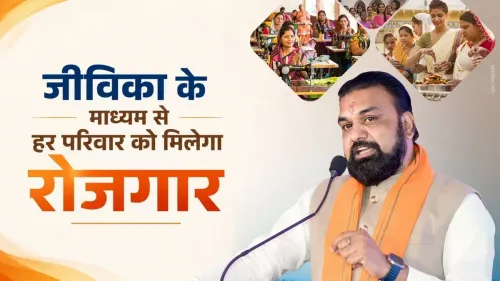
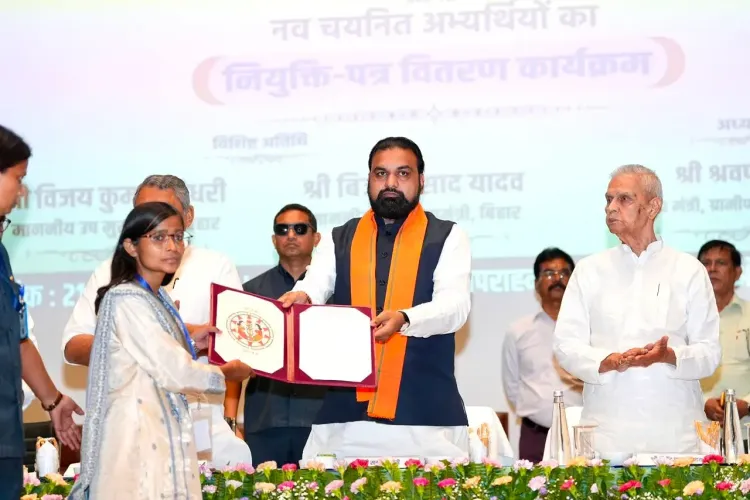
Chief Minister Nitish Kumar on 21 July 2026 congratulated newly selected Jeevika recruits and urged them to serve with dedication, calling the integration of Bihar's most marginalised communities into the development mainstream the core purpose of the programme.
Key Takeaways
The Chief Minister's Office of Bihar shared CM Nitish Kumar 's remarks addressed to newly selected Jeevika recruits on 21 July 2026 .
CM Kumar called on recruits to work with loyalty, dedication, and a spirit of service ( nishtha, samarpan evam seva-bhav ).
Jeevika (BRLPS) was launched in 2007 with World Bank support to mobilise rural self-help groups across Bihar.
The programme targets rural poor households and women-led SHGs , aligning with the national NRLM framework scaled up since 2011 .
Connecting those on 'the last rung of society' to the development mainstream was stated as Jeevika's defining purpose.
Further district-level deployments and SHG coverage data are expected to follow the new recruitment cohort.
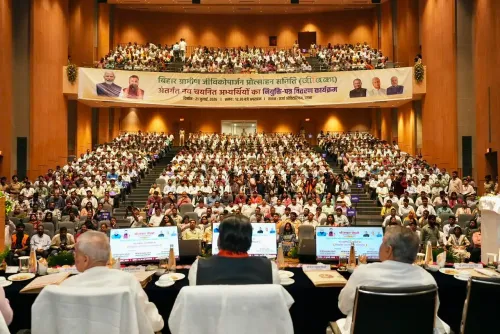
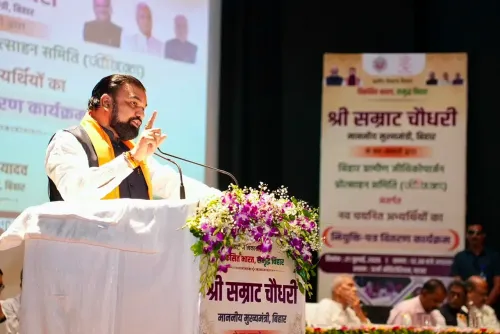
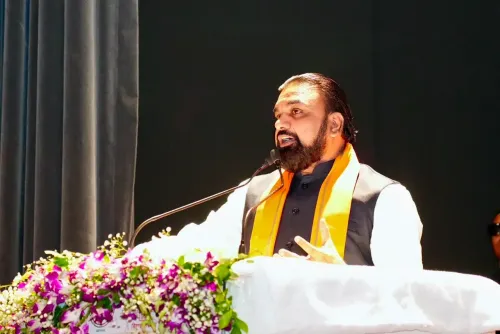
The Chief Minister's Office of Bihar shared remarks by Chief Minister Nitish Kumar on Tuesday, 21 July 2026, in which he congratulated newly selected candidates joining the Jeevika programme and called on them to work with dedication, commitment, and a spirit of service.
In his address, the Chief Minister said — translated from Hindi — 'samaj ke antim paaydaan par khade logon ko vikas ki mukhyadhara se jodna hi Jeevika ka uddeshya hai' ('connecting those standing on the last rung of society to the mainstream of development is the very purpose of Jeevika'). He urged all newly appointed candidates to carry this mission forward with sincerity and a sense of service.
Context
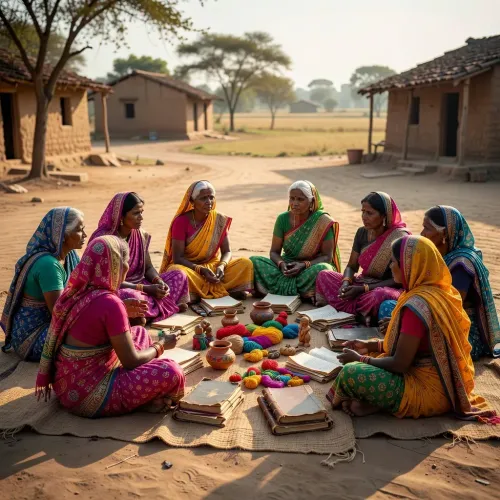
Jeevika, formally known as the Bihar Rural Livelihoods Promotion Society (BRLPS), is the state's flagship rural livelihoods programme. It was launched in 2007 as the Bihar Rural Livelihoods Project with support from the World Bank, with the core mandate of mobilising rural communities — particularly women — into self-help groups (SHGs) to reduce poverty and expand financial inclusion.
The programme has since grown into one of the largest SHG-based intervention networks in eastern India, covering multiple districts and reaching hundreds of thousands of households from marginalised and low-income backgrounds.
Policy Backdrop
Bihar's emphasis on SHG-led development closely mirrors the national National Rural Livelihoods Mission (NRLM) framework, which was scaled up significantly after 2011 to bring community-driven livelihood models to rural India's most vulnerable populations. Bihar has been among the states that aligned its state programme with this national architecture while retaining the Jeevika brand identity.
Chief Minister Nitish Kumar, who has governed Bihar across multiple terms since 2005, has consistently positioned rural governance reform and last-mile service delivery as central pillars of his administration. Calls to integrate the poorest sections into the development mainstream have been a recurring theme in state policy statements over this period.
Stakeholders and Impact
The primary beneficiaries of Jeevika are rural poor households and women-led self-help groups across Bihar's districts. Newly recruited programme staff serve as the frontline link between these communities and state-sponsored credit, livelihood, and welfare resources.
By framing the recruitment address around the idea of reaching 'the last rung of society,' the Chief Minister signalled that the state views Jeevika's human resource capacity as directly tied to its poverty-reduction outcomes. Strong field staffing is widely seen as critical to SHG credit-linkage targets and community mobilisation goals.
What's Next
Observers will watch for district-level deployment details of the new recruits and subsequent monitoring data on Jeevika's self-help group coverage and credit linkages across Bihar. Expanded recruitment rounds and performance reviews of SHG outreach are likely to follow as the programme scales its operations in the coming months.
Point of View
Sustaining Jeevika's credibility as a grassroots welfare vehicle will remain a key test of that narrative's durability.
NationPress
20 Oct 2026
Frequently Asked Questions
What is Jeevika in Bihar?
Jeevika is the popular name for the Bihar Rural Livelihoods Promotion Society (BRLPS), a state programme launched in 2007 with World Bank support to organise rural poor — especially women — into self-help groups for poverty reduction and financial inclusion.
What did CM Nitish Kumar say to Jeevika recruits?
On 21 July 2026, CM Nitish Kumar congratulated newly selected Jeevika candidates and urged them to work with dedication and a spirit of service, stating that connecting the most marginalised people to the development mainstream is Jeevika's core purpose.
What is BRLPS and what does it do?
BRLPS, or Bihar Rural Livelihoods Promotion Society, implements community-driven livelihood projects across Bihar's districts, focusing on self-help group formation, credit linkage, and integration of rural poor households into welfare and development programmes.
How is Jeevika related to the National Rural Livelihoods Mission?
Jeevika operates along the same self-help group model as the national National Rural Livelihoods Mission (NRLM), which was scaled up after 2011. Bihar aligned its state programme with this national framework while retaining the Jeevika brand.
Who benefits from the Jeevika programme in Bihar?
The primary beneficiaries are rural poor households and women-led self-help groups across Bihar's districts, who gain access to credit, livelihood support, and state welfare resources through Jeevika's community mobilisation network.