CM Office Assam marks District Day across six districts
Synopsis
The Chief Minister's Office of Assam marked District Day on 1 July 2026 with simultaneous celebrations across Jorhat, Barpeta, Goalpara, Dhubri, Sribhumi and Kokrajhar, spotlighting each district's distinct history, heritage and identity through ground-level events and official imagery.
Key Takeaways
Six districts — Jorhat, Barpeta, Goalpara, Dhubri, Sribhumi and Kokrajhar — held District Day events simultaneously on 1 July 2026 .
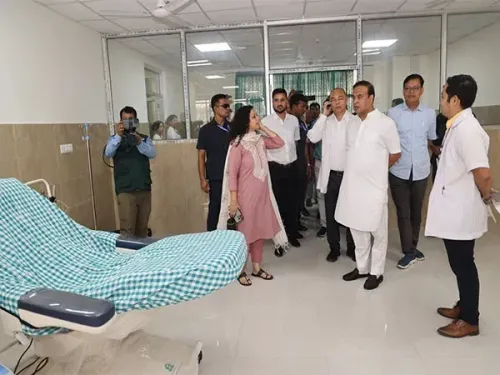
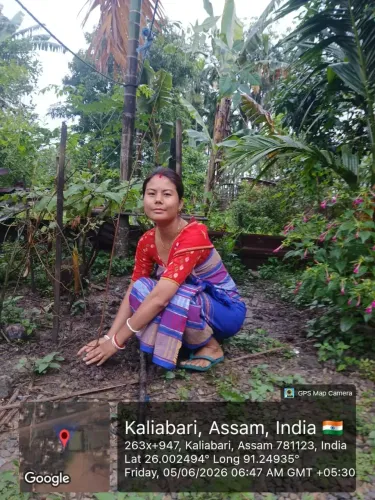
The Chief Minister's Office of Assam shared official photographs from all six celebrations.
Kokrajhar is the headquarters of the Bodoland Territorial Region, making its inclusion significant for Bodo community recognition.
Sribhumi , formerly Karimganj, is a renamed district bordering Bangladesh with a strong Bengali cultural presence.
Assam expanded its district count between 2015 and 2020 , and District Day events align with that broader administrative reorganisation.
Assam has 35 districts in total; extension of District Day to remaining districts remains a key development to watch.
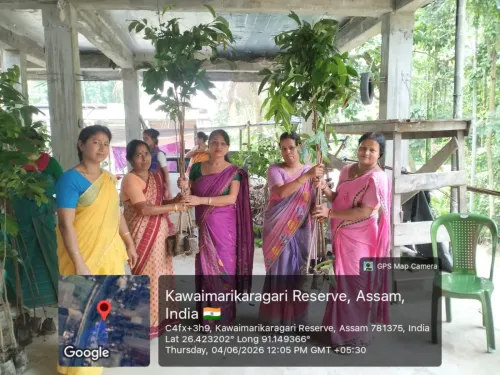
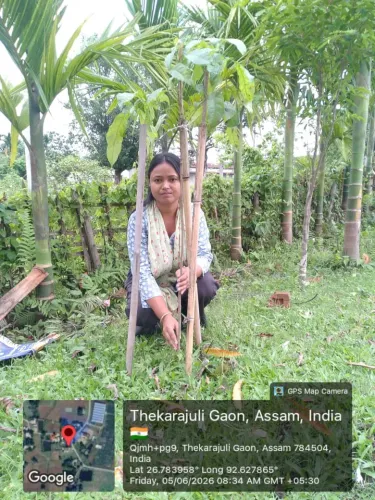
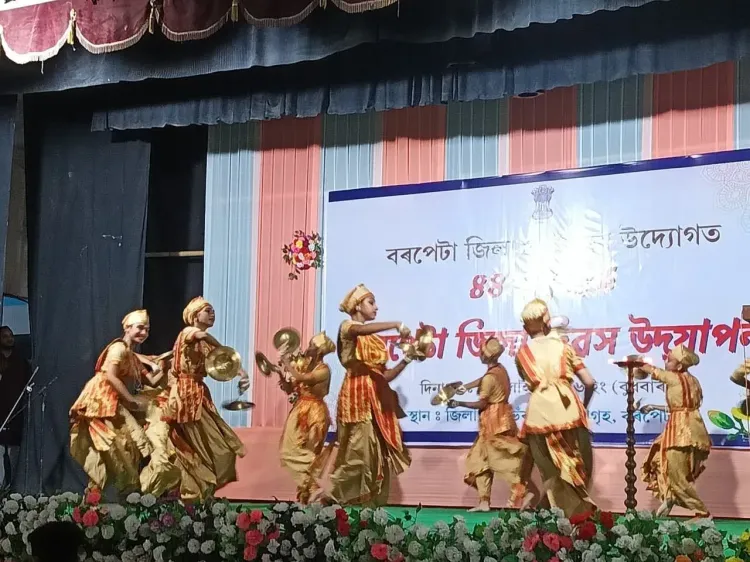
The Chief Minister's Office of Assam shared glimpses on 1 July 2026 of District Day celebrations unfolding simultaneously across six districts — Jorhat, Barpeta, Goalpara, Dhubri, Sribhumi and Kokrajhar — each marking its unique history, heritage and identity.
Context
District Day events bring together local communities to acknowledge the distinct cultural and historical character of each administrative unit. The six districts participating on 1 July 2026 span Upper Assam, Lower Assam and the Bodoland Territorial Region, reflecting the breadth of the state's demographic and cultural landscape.
The official post from the Chief Minister's Office of Assam described the occasion as one where 'each district celebrates its unique history, heritage and identity,' accompanied by photographs from the ground events.
Policy Backdrop
Assam expanded its district count between 2015 and 2020 to improve administrative reach and bring governance closer to communities. District-level cultural programmes have emerged alongside that reorganisation as a way to anchor local identity within the broader state framework.
Jorhat in Upper Assam carries centuries of Ahom-era heritage and is home to major tea estates and cultural institutions. Barpeta is closely associated with Vaishnavite satras and the medieval Koch kingdom, while Goalpara sits at the confluence of Rabha, Garo and Bengali communities along the Brahmaputra. Dhubri, a border district, holds historical significance as a trade corridor and is known for its Sufi shrines.
Sribhumi, formerly known as Karimganj and renamed in recent years, borders Bangladesh and carries a strong Bengali cultural presence. Kokrajhar serves as the headquarters of the Bodoland Territorial Region and is central to Bodo community identity, shaped by peace accords that reshaped the region's political landscape.
Stakeholders and Impact
Residents across all six districts, along with local cultural organisations, are the primary participants. Such events provide a platform for communities to publicly affirm their heritage and for local institutions to document traditions that risk being overshadowed by state-level or national narratives.
For districts like Kokrajhar and Sribhumi, which have experienced periods of political tension and identity contestation, a state-endorsed celebration of local identity carries particular resonance. Across Northeast India more broadly, district and community-level heritage programmes have become an important instrument of social cohesion.
What's Next
Assam has 35 districts in total, and the extension of District Day events to remaining districts will be closely watched. Any linkage with the state's tourism or cultural policy agenda — including documentation drives or heritage site development — could give these celebrations a longer policy life beyond the calendar event.
The simultaneous roll-out across geographically and culturally diverse districts on 1 July 2026 signals a coordinated administrative effort, suggesting District Day may be institutionalised as an annual fixture in Assam's governance calendar.
Point of View
The Assam government is threading a careful needle: affirming sub-state identities while reinforcing a unified state narrative. This approach mirrors a wider Northeast India pattern where cultural recognition is deployed to ease political tensions. If institutionalised annually, District Day could become a low-cost, high-visibility mechanism for the state to maintain community goodwill across its most sensitive districts.
NationPress
1 Jul 2026
Frequently Asked Questions
What is District Day in Assam?
District Day is a state-organised celebration in Assam where individual districts mark their unique history, heritage and cultural identity through local events and programmes. The Chief Minister's Office of Assam shared glimpses of the 2026 edition held on 1 July across six districts.
Which districts celebrated District Day on 1 July 2026?
Six districts held District Day celebrations on 1 July 2026: Jorhat, Barpeta, Goalpara, Dhubri, Sribhumi and Kokrajhar.
What is Sribhumi district known for?
Sribhumi, formerly known as Karimganj, is an Assam district that borders Bangladesh and has a strong Bengali cultural presence. It was renamed in recent years as part of the state's administrative reorganisation.
Why is Kokrajhar significant in Assam?
Kokrajhar is the headquarters of the Bodoland Territorial Region and is central to the identity of the Bodo community. It gained particular importance following peace accords that reshaped the political landscape of the region.
How many districts does Assam have?
Assam has 35 districts in total. The state expanded its district count between 2015 and 2020 to improve administrative reach and local governance.