CM Office Launches Aangan Milan Seva & Health Camp in Mungeli
Synopsis
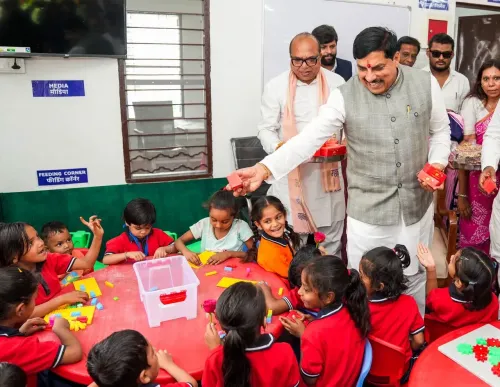
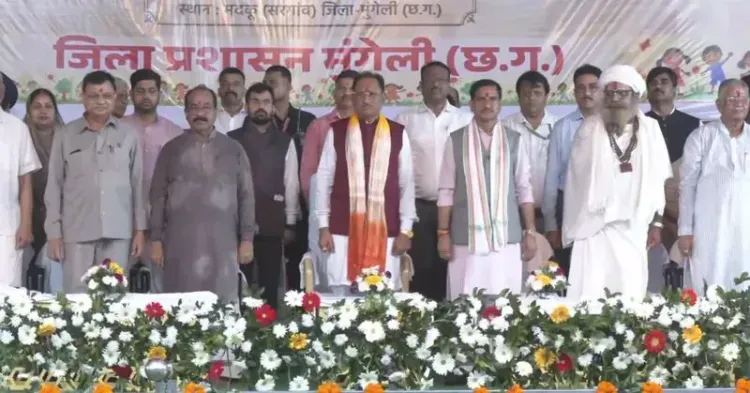
The Chief Minister's Office of Chhattisgarh inaugurated Aangan Milan Seva, a Mega Health Camp and multiple development projects in Mungeli on 25 September 2026, combining grassroots health outreach with infrastructure launches in a single district-level event.
Key Takeaways
The Chief Minister's Office of Chhattisgarh announced the Mungeli event on 25 September 2026 .
Aangan Milan Seva is a doorstep welfare outreach initiative aimed at bringing government services directly to communities.
A Mega Health Camp was held alongside the programme, targeting concentrated medical outreach in the district.
The event combined lokarpan (inauguration of completed works) and bhoomipujan (ground-breaking for new projects) in a single session.
Mungeli , a predominantly rural district in Chhattisgarh created in 2012, is the venue — reflecting the state's focus on smaller district-level delivery.
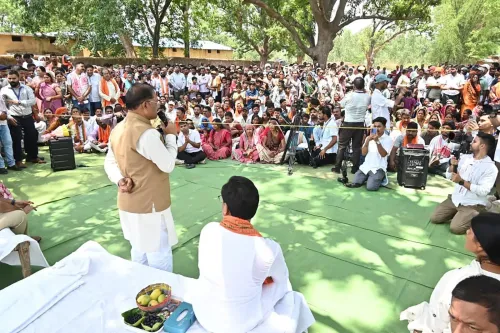
In a district that sits at the heart of Chhattisgarh's rural hinterland, the state government on Friday, 25 September 2026 rolled out a bundle of welfare and development initiatives in Mungeli — combining grassroots health outreach with ground-breaking and inauguration of local infrastructure projects.
The Chief Minister's Office of Chhattisgarh announced the event on X, posting: 'Aangan Milan Seva, Mega Health Camp evam vibhinn vikas karyon ka lokarpan evam bhoomipujan, Mungeli' — translated: 'Inauguration and ground-breaking of Aangan Milan Seva, Mega Health Camp and various development works, Mungeli.'
What Aangan Milan Seva and the Mega Health Camp mean for Mungeli
Aangan Milan Seva follows a familiar template of doorstep-style outreach that state governments across India have deployed to bridge the gap between district administration and rural citizens — taking services into localities rather than expecting residents to travel to government offices. Alongside it, the Mega Health Camp points to concentrated medical screening and consultation drives that are especially significant in districts like Mungeli, where primary healthcare access can be uneven.
The simultaneous lokarpan (inauguration) and bhoomipujan (ground-breaking) format is a well-established delivery signal: it shows both completed works being handed over to the public and new projects being formally started on the same day, compressing the government's visible delivery cycle.
Mungeli's place in Chhattisgarh's district-level development push
Mungeli district, carved out in 2012 from the older Bilaspur district, is a predominantly rural administrative unit whose residents depend heavily on state-delivered services for health and infrastructure. Events of this kind — combining welfare programme launches with physical infrastructure works — represent a pattern of concentrated, visible local delivery that the Chhattisgarh government has used to extend its reach into smaller districts.
The combination of health, social outreach, and infrastructure in a single district-level event is a practical acknowledgement that rural populations benefit most when multiple services land together rather than in isolation. Whether participation numbers and project completion timelines match the ambition will be the measure that follows.
Point of View
Newer districts that lack the political weight of larger cities. The Aangan Milan Seva model — taking services to people rather than directing them to offices — reflects a broader national trend of doorstep governance that has gained traction since the pandemic accelerated demand for decentralised service delivery. Completion rates and beneficiary numbers, when available, will tell whether this event translates into lasting impact or remains a visibility exercise.
NationPress
25 Sept 2026
Frequently Asked Questions
What is Aangan Milan Seva in Chhattisgarh?
Aangan Milan Seva is a doorstep welfare outreach initiative by the Chhattisgarh government that brings government services directly into communities, reducing the need for residents to travel to government offices.
What happened at the Mungeli event on 25 September 2026?
The Chief Minister's Office of Chhattisgarh launched Aangan Milan Seva, held a Mega Health Camp, and conducted both inauguration and ground-breaking ceremonies for various development works in Mungeli district.
Where is Mungeli district located?
Mungeli is a district in Chhattisgarh, India, created in 2012 from the older Bilaspur district. It is a predominantly rural area dependent on state-delivered health and infrastructure services.
What is the difference between lokarpan and bhoomipujan?
'Lokarpan' refers to the formal inauguration and public handover of already-completed works, while 'bhoomipujan' is a ceremonial ground-breaking that marks the start of new construction or development projects.
Why does the Chhattisgarh government hold combined welfare and infrastructure events?
Combining health outreach, welfare programmes and infrastructure launches in a single district event allows the government to deliver multiple services to rural populations at once, maximising reach and demonstrating visible local governance.