CM Bhupendra Patel monitors Ahmedabad Rath Yatra via AI dashboard
Synopsis
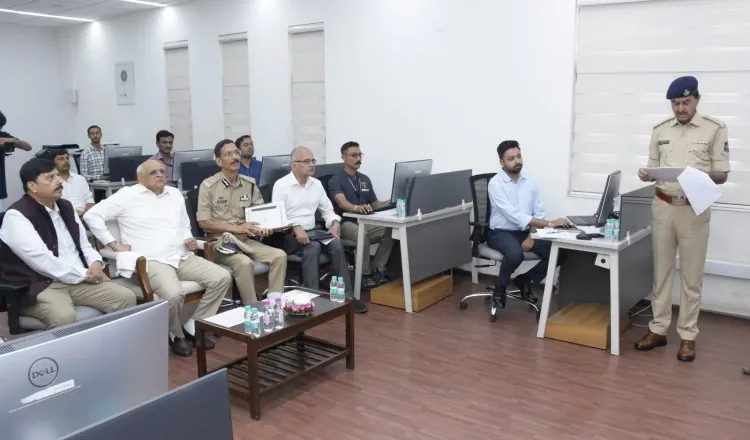
Gujarat Chief Minister Bhupendra Patel monitored the 149th Jagannath Rath Yatra in Ahmedabad in real time via the CM Dashboard video wall on 16 July 2026, and received a detailed briefing on Gujarat Police's AI and drone-based security arrangements for the procession.
Key Takeaways
Gujarat CM Bhupendra Patel monitored the 149th Jagannath Rath Yatra in Ahmedabad in real time on 16 July 2026 .
Monitoring was conducted from the CM Dashboard video wall at the Chief Minister's official residence.
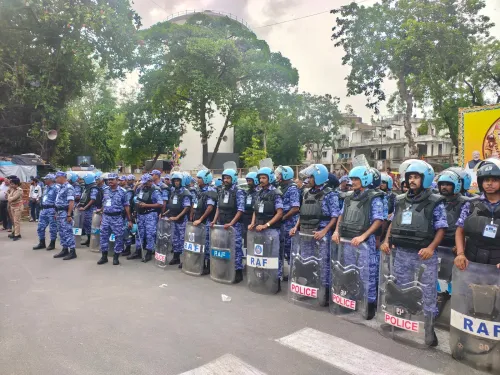
Gujarat Police deployed AI and drone technology for security arrangements during the procession.
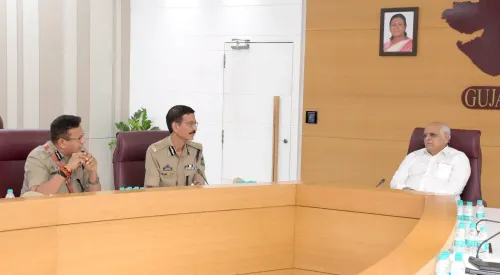
The CM received a detailed briefing on the security setup after the chariot procession departed.
The initiative reflects Gujarat's broader push to integrate digital dashboards and surveillance technology into governance and public-event management.
The framework may be extended to other major Gujarat festivals following assessment of its performance at the Rath Yatra.
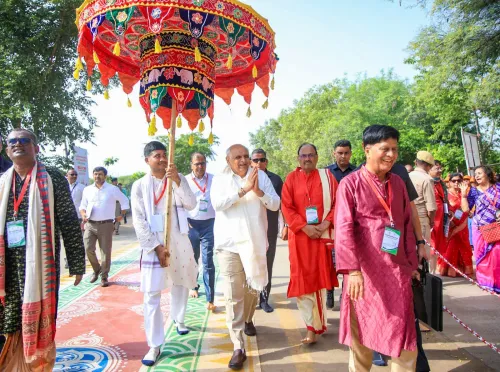
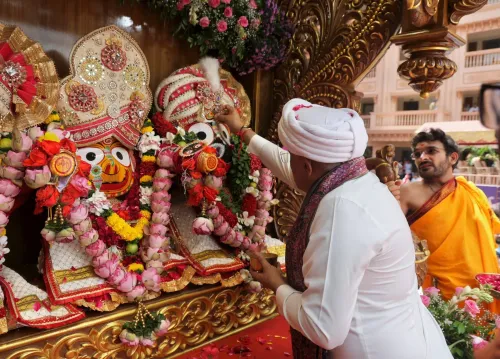
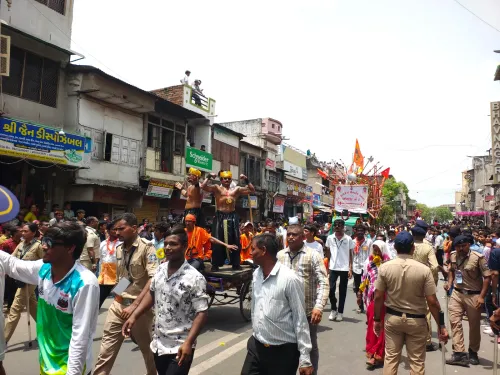
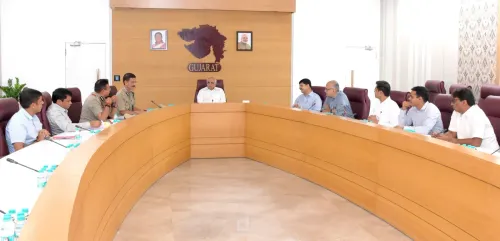
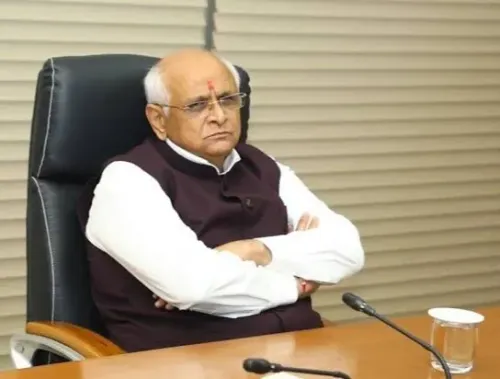
Gujarat Chief Minister Bhupendra Patel on Thursday, 16 July 2026, monitored the 149th Jagannath Rath Yatra in Ahmedabad in real time from the CM Dashboard video wall at his official residence, tracking the procession's movement across the city. The Chief Minister also received a detailed briefing on the security arrangements deployed by Gujarat Police, which included artificial intelligence and drone technology.
Context
Patel posted on X after the departure of the chariot procession, writing in Gujarati that he monitored the Rath Yatra's movement in real time through the video wall of the 'CM Dashboard' at the Chief Minister's residence — ('રથયાત્રાના ભ્રમણનું રિયલ ટાઈમ મોનિટરીંગ કર્યું') — and obtained detailed information on the security arrangements made by the police department using AI and drone technology. The Jagannath Rath Yatra in Ahmedabad is one of the largest religious processions in western India, drawing lakhs of devotees each year to the streets of the city.
Policy Backdrop
Gujarat has held the annual Ahmedabad Jagannath Rath Yatra for well over a century, with successive state administrations responsible for its security and management. Under BJP leadership, the state has progressively integrated digital dashboards and surveillance technology into its e-governance and smart-city frameworks since the mid-2010s. The CM Dashboard at the Chief Minister's residence functions as a centralised command interface that enables real-time oversight of state events, infrastructure, and security operations.
The deployment of AI and drones for crowd and security management at large religious gatherings reflects a broader national trend. Indian states have adopted integrated command-and-control systems for events such as the Kumbh Mela, and Gujarat Police has built on these practices to manage the unique challenges posed by the Rath Yatra's dense urban procession route through Ahmedabad.
Stakeholders and Impact
The primary beneficiaries of the enhanced monitoring framework are the lakhs of devotees and Ahmedabad residents who line the procession route. Real-time aerial surveillance through drones allows police to identify crowd surges, potential security threats, and medical emergencies far faster than ground-level policing alone. The AI layer can process feeds from multiple cameras simultaneously, enabling quicker deployment of personnel to sensitive points along the route.
For Gujarat Police, the exercise also serves as a live operational test of its technology stack ahead of other large state festivals. The Chief Minister's direct oversight from the CM Dashboard signals institutional accountability at the highest level of the state government.
What's Next
The government is expected to assess the performance of the AI and drone security framework deployed during the 149th Rath Yatra and consider rolling out similar real-time monitoring for other major Gujarat festivals. A formal state-level policy on the use of AI in policing and public-event management could follow as the technology matures and is tested across more events. The CM Dashboard itself may see expanded integration with additional data feeds as Gujarat deepens its e-governance infrastructure.
Point of View
Technology-mediated oversight of the Rath Yatra is consistent with the BJP's long-running effort to position Gujarat as a model of e-governance and smart administration. By anchoring the CM Dashboard to a high-visibility religious event, the government simultaneously signals administrative competence and cultural sensitivity to a large voter base. The use of AI and drones at the Rath Yatra also fits into a national pattern where state governments are increasingly normalising surveillance technology at mass gatherings, raising questions about long-term data governance frameworks. How Gujarat codifies the rules around AI-assisted policing at public events will be a policy development worth watching as the technology becomes routine.
NationPress
15 Oct 2026
Frequently Asked Questions
What is the CM Dashboard in Gujarat?
The CM Dashboard is a digital monitoring system installed at the Gujarat Chief Minister's official residence that provides real-time data and video feeds for oversight of state events, security operations, and governance metrics.
How did Gujarat Police secure the 2026 Ahmedabad Rath Yatra?
Gujarat Police deployed artificial intelligence and drone technology alongside conventional policing to monitor the procession route, manage crowds, and respond to security situations during the 149th Jagannath Rath Yatra in Ahmedabad.
What is the Jagannath Rath Yatra in Ahmedabad?
The Jagannath Rath Yatra in Ahmedabad is an annual Hindu chariot procession in honour of Lord Jagannath, one of the largest such events in western India, drawing lakhs of devotees each year to the city's streets.
Why did CM Bhupendra Patel monitor the Rath Yatra from his residence?
CM Patel used the CM Dashboard video wall at his official residence to track the procession's movement in real time and receive a briefing on security arrangements, allowing centralised oversight without being physically present on the route.
Will Gujarat use AI and drones for other festivals?
The government is expected to evaluate the AI and drone framework used at the Rath Yatra and consider deploying similar real-time monitoring for other major Gujarat festivals, as part of the state's broader e-governance and smart-city push.