CM Pema Khandu Announces Indigenous Faith Youth Festival at Seppa
Synopsis
Chief Minister Pema Khandu announced the Indigenous Faith Youth Festival 2026 at Seppa in East Kameng district, reaffirming his government's commitment to cultural preservation and empowering Arunachal Pradesh's indigenous youth communities.
Key Takeaways
Pema Khandu announced the Indigenous Faith Youth Festival 2026 to be held at Seppa , East Kameng district, on November 12, 2026 .
Arunachal Pradesh is home to over 100 indigenous tribes with distinct faiths and languages under growing modernisation pressure.
The festival is explicitly youth-focused, casting younger generations as active custodians of indigenous heritage rather than passive recipients.
The BJP-led state government has framed cultural preservation as a track running parallel to national development priorities.
Detailed logistics, funding allocations, and participation targets for the Seppa festival are yet to be announced.
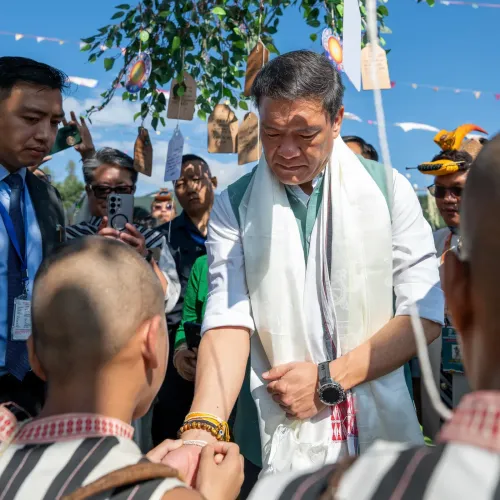
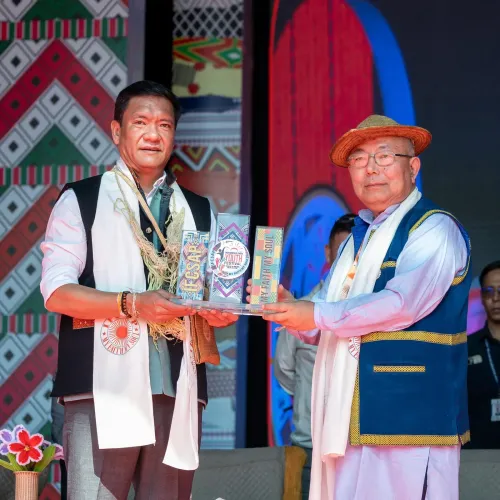
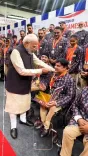
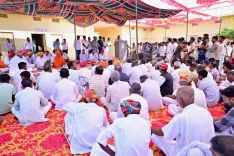
A pledge to protect what centuries of tradition have built — Arunachal Pradesh Chief Minister Pema Khandu on Thursday, November 12, 2026 reaffirmed his government's commitment to strengthening indigenous institutions and safeguarding the state's rich tribal heritage, announcing the Indigenous Faith Youth Festival 2026 to be held at Seppa, headquarters of East Kameng district.
A Festival Anchored in Seppa
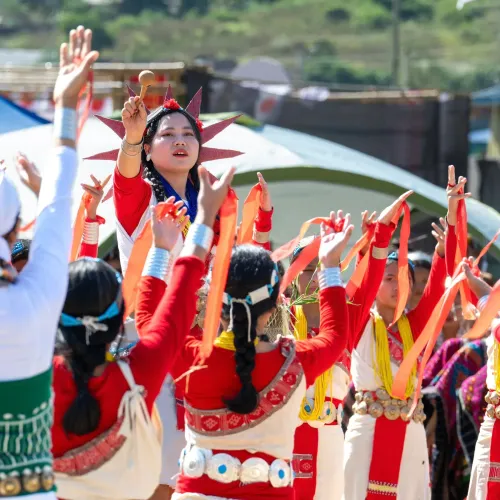
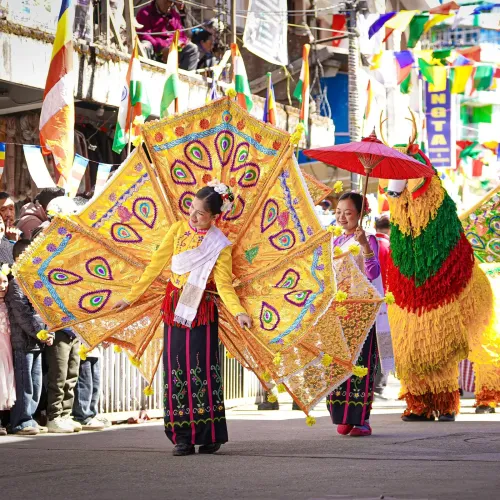
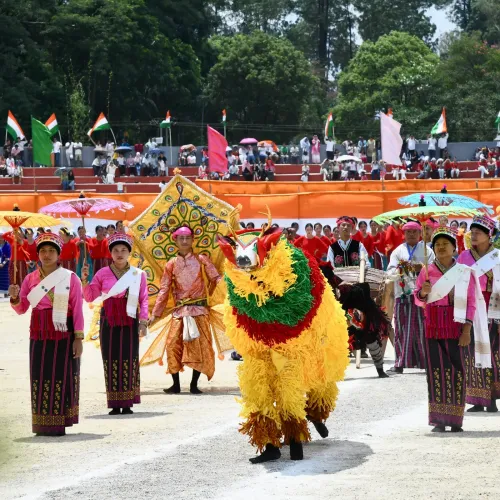
Seppa is a town that sits at the crossroads of Arunachal's tribal heartland, and the choice of venue signals deliberate intent. The Indigenous Faith Youth Festival 2026 is positioned squarely at the intersection of cultural continuity and generational energy — targeting youth from the state's diverse indigenous communities as both participants and custodians of tradition.
Khandu described the announcements at the festival as steps toward 'empowering youth and safeguarding Arunachal's rich indigenous heritage for future generations.' The language is purposeful: heritage, here, is not a museum exhibit but a living practice.
Arunachal's Tribal Identity Under Modernisation Pressure
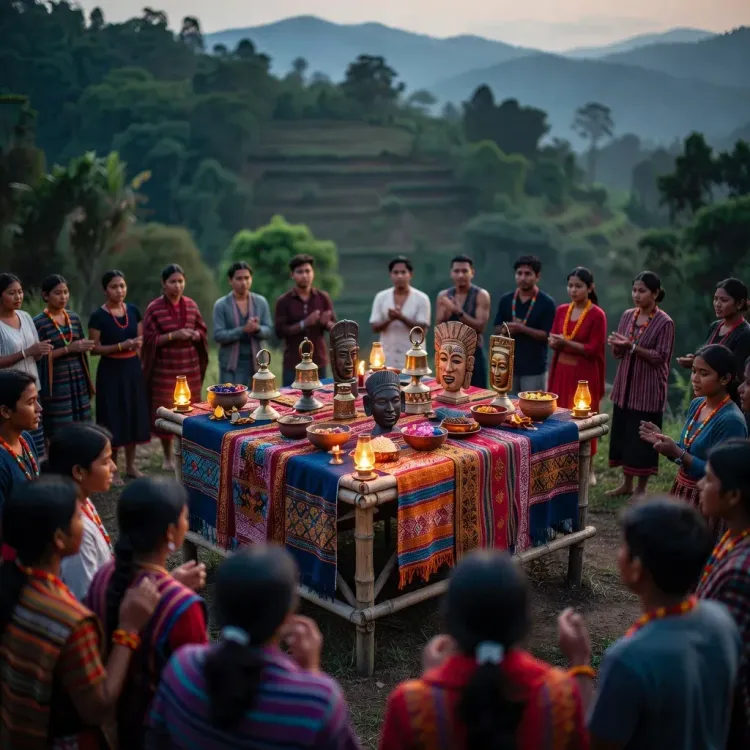
Arunachal Pradesh is home to over 100 indigenous tribes, each with distinct faiths, languages, and oral traditions. Belief systems like Donyi-Polo — the sun-moon faith practised by many Adi and Galo communities — have long coexisted with accelerating infrastructure development and demographic shifts that younger generations navigate daily.
State governments across the Northeast have periodically backed cultural festivals and institutional support mechanisms to slow the erosion of indigenous practice. Under Khandu's BJP-led administration, such initiatives have been framed not as nostalgia but as a parallel track to national development — identity and integration running side by side.
The pattern is visible across the broader region: from Nagaland to Mizoram, youth-focused cultural programmes have emerged as a policy tool to retain community cohesion even as border infrastructure, digital connectivity, and economic migration reshape daily life.
Youth at the Centre of the Heritage Agenda
What makes this announcement distinct is its explicit youth framing. Cultural preservation efforts historically risked being seen as the province of elders and folklore scholars. Anchoring the Indigenous Faith Youth Festival in youth participation shifts that narrative — young people are cast as agents, not just beneficiaries.
Khandu's post cited 'supporting cultural preservation' and 'empowering youth' in the same breath, a pairing that reflects a broader political calculation: cultural pride, when channelled through the energy of younger generations, becomes a sustainable civic project rather than a one-time event.
The government is yet to release detailed logistics, participation targets, or funding allocations for the Seppa festival. Those specifics — when they arrive — will determine whether the announcement translates into lasting institutional support or remains a ceremonial gesture.
Arunachal's tribes have survived geography and history. The question now is whether 2026's youth will be equipped — and incentivised — to carry that inheritance forward.
Frequently Asked Questions
What is the Indigenous Faith Youth Festival 2026 in Arunachal Pradesh?
The Indigenous Faith Youth Festival 2026 is a cultural event announced by Arunachal Pradesh Chief Minister Pema Khandu to be held at Seppa in East Kameng district, aimed at empowering indigenous youth and preserving tribal heritage in the state.
Where is Seppa located in Arunachal Pradesh?
Seppa is the headquarters of East Kameng district in Arunachal Pradesh, a town situated in the tribal heartland of the northeastern state.
What indigenous tribes and faiths does Arunachal Pradesh have?
Arunachal Pradesh is home to over 100 indigenous tribes with distinct languages, cultures, and belief systems, including Donyi-Polo, a sun-moon faith practised by many Adi and Galo communities.
What has Pema Khandu done for tribal heritage in Arunachal Pradesh?
Chief Minister Pema Khandu has backed cultural preservation initiatives and institutional support for indigenous faiths since leading the state from 2016, framing such efforts as complementary to infrastructure and national development priorities.
Why is youth involvement important in Arunachal Pradesh's cultural preservation?
With rapid modernisation and demographic shifts reshaping daily life in the Northeast, engaging youth as active custodians — rather than passive observers — of indigenous traditions is seen as essential to ensuring long-term cultural continuity.