CM Pema Khandu Backs BRO Workers' Safety in Tawang
Synopsis
Arunachal Pradesh CM Pema Khandu met the BRO Labour Union of Tawang Unit on 20 October 2026, pledging that workers building India's LAC border infrastructure deserve full safety, security and dignity — and that their national service will never cost them their well-being.
Key Takeaways
Arunachal Pradesh CM Pema Khandu met the BRO Labour Union of Tawang Unit on 20 October 2026 .
Khandu publicly pledged that BRO workers' 'service to the nation will never come at the cost of their well-being.' Tawang borders China's Line of Actual Control and is one of the most strategically sensitive districts for border road construction in India.
BRO personnel in the region operate at high altitudes in extreme conditions with limited access to medical and safety infrastructure.
The engagement with the labour union comes amid an accelerated national push to complete the Trans-Arunachal Highway and other forward-area road projects.
The CM's public assurance places a political commitment on record for the Tawang unit's follow-up.
They build roads in snowbound terrain that most people will never see — and Arunachal Pradesh Chief Minister Pema Khandu wants the nation to know their sacrifice should not come at the cost of their safety. On Tuesday, 20 October 2026, Khandu met the BRO Labour Union of Tawang Unit and pledged that the well-being of Border Roads Organisation (BRO) workers would remain a non-negotiable priority.
The Pledge at Tawang's Frontline
Sharing the meeting on X, Khandu wrote: 'The workers of the Border Roads Organisation work under some of the toughest conditions to build our border infrastructure. They deserve the very best in safety, security and dignity.' He added that he had 'assured the BRO Labour Union of Tawang Unit that their service to the nation will never come at the cost of their well-being.'
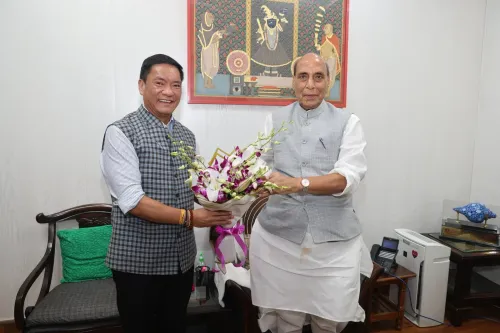
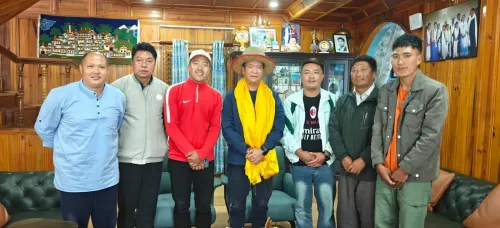
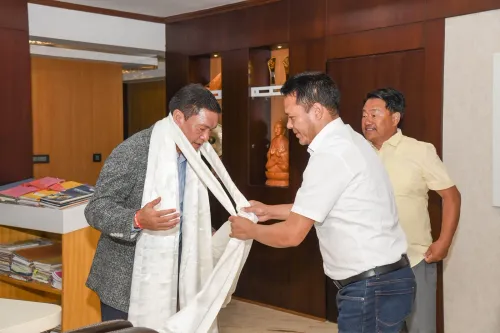
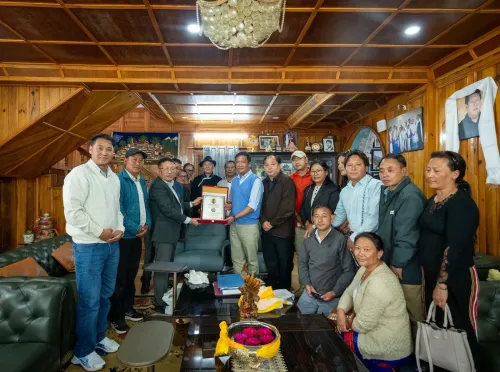
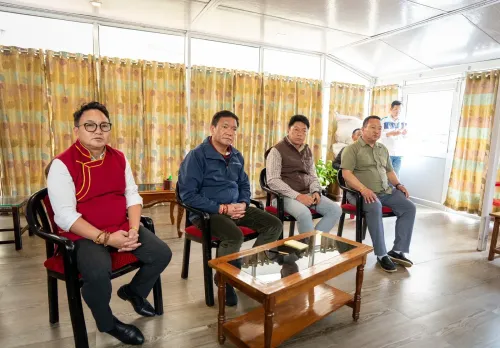
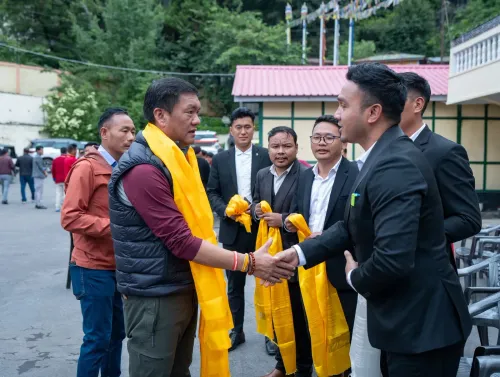
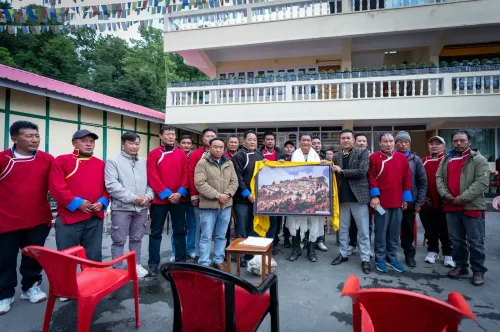
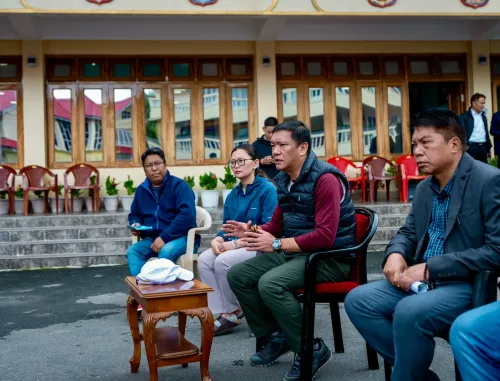
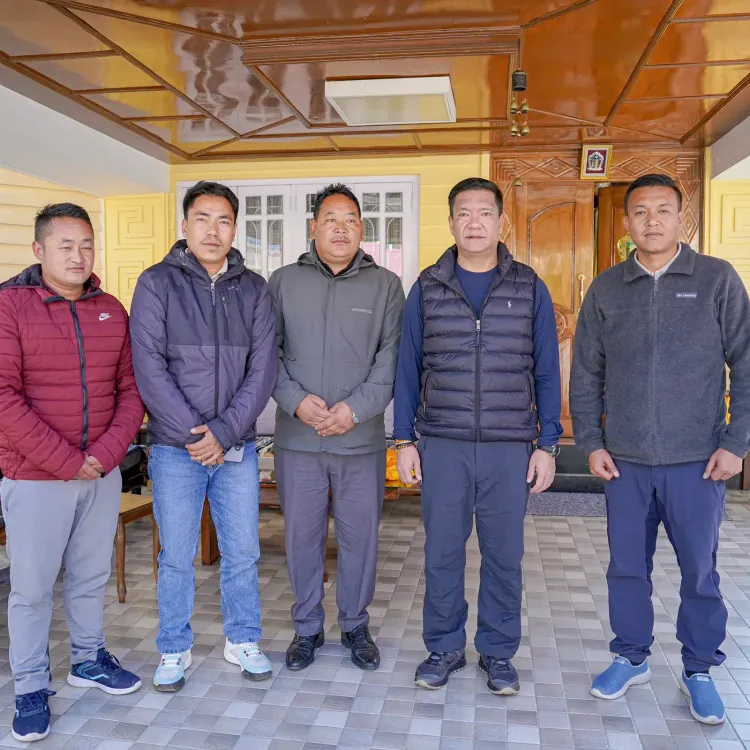
The post was accompanied by four images from what appeared to be an interaction with union representatives — putting faces to a workforce that largely operates out of public sight in the country's most strategically sensitive district.
Why Tawang, and Why Now
Tawang, the westernmost district of Arunachal Pradesh, sits directly on the Line of Actual Control (LAC) with China — making its road network a matter of both military logistics and national security. Since the mid-2010s, the central government has sharply accelerated BRO projects across the state to ensure all-weather access to forward positions along the disputed frontier.
BRO personnel in these zones routinely work at altitudes above 10,000 feet, in sub-zero temperatures, on unstable terrain with limited medical infrastructure nearby. Labour union representations about worker conditions are a recurring feature of this environment, and Khandu's direct engagement with the Tawang unit signals that those concerns are now reaching the highest level of state government.
Connectivity Drive and the Human Cost Behind It
India's push to complete projects such as the Trans-Arunachal Highway and a network of forward-area roads has transformed the border landscape — but the workforce powering that transformation has often been the last to see the benefits. The BRO draws workers from across India, many of them contract labourers, for whom occupational safety and social security remain live issues.
Khandu's assurance — public and on record — raises the stakes for follow-through. The BRO Labour Union Tawang Unit now has a commitment from the Chief Minister to point to.
The roads that connect India's frontier are only as strong as the people who build them. The CM's message is simple: their dignity must match the scale of their service.
Point of View
The human-cost question is quietly becoming as important as the kilometre count. A sitting Chief Minister publicly backing a BRO labour union in a sensitive border district also gently reinforces Arunachal Pradesh's own statehood narrative: that the people of the frontier, and those who serve it, are as much a part of India's strategic calculus as the roads they build.
NationPress
20 Oct 2026
Frequently Asked Questions
What did Pema Khandu promise BRO workers in Tawang?
Arunachal Pradesh CM Pema Khandu assured the BRO Labour Union of Tawang Unit on 20 October 2026 that BRO workers deserve the best in safety, security and dignity, and that their service to the nation will never come at the cost of their well-being.
What does the Border Roads Organisation do in Arunachal Pradesh?
The Border Roads Organisation (BRO) builds and maintains strategic roads, bridges and tunnels in Arunachal Pradesh's border regions, including routes along the Line of Actual Control with China, to ensure all-weather military and civilian access.
Why is Tawang important for India's border infrastructure?
Tawang is a district in western Arunachal Pradesh that shares a sensitive border with China along the Line of Actual Control. It is a key focus of India's accelerated border road programme due to its strategic military significance.
What challenges do BRO workers face in high-altitude areas?
BRO workers in areas like Tawang operate at altitudes above 10,000 feet in sub-zero temperatures on unstable terrain, often far from adequate medical infrastructure — making occupational safety and social security persistent concerns for labour unions.
What is the Trans-Arunachal Highway?
The Trans-Arunachal Highway is a major road project under construction to connect Arunachal Pradesh's districts, including border areas, and is one of the flagship connectivity initiatives supported by BRO along the state's frontier with China.