CM Pema Khandu Chairs First SUMP Committee Meet at Yingkiong
Synopsis
Arunachal Pradesh CM Pema Khandu chaired the first meeting of the state cabinet-constituted Empowered High-Level Committee for the Siang Multipurpose Project at Yingkiong, launching a Pre-Feasibility Report survey for Siang and Upper Siang districts while stressing the PFR is not a project approval.
Key Takeaways
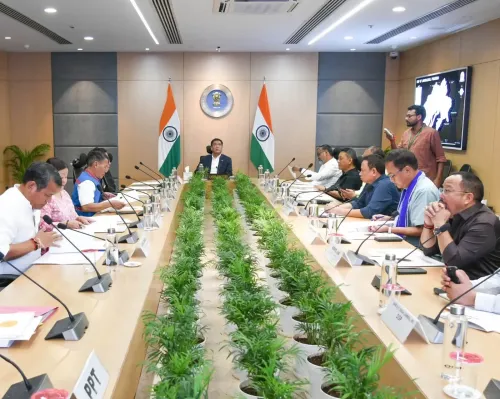
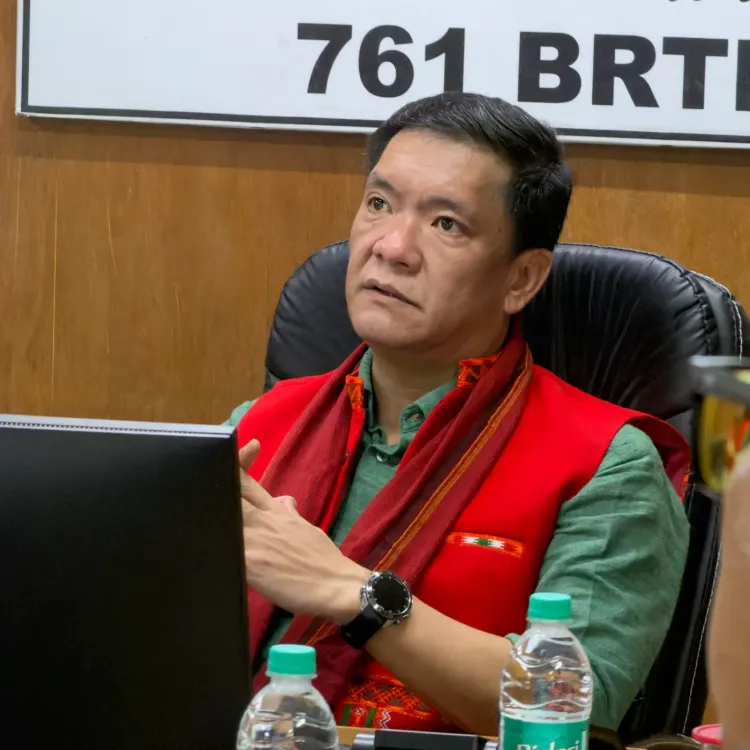
Arunachal Pradesh CM Pema Khandu chaired the inaugural meeting of the Empowered High-Level Committee for the Siang Multipurpose Project (SUMP) on 29 September 2026 at Yingkiong .
The committee, constituted by the State Cabinet , is headed by Minister Ojing Tasing and will coordinate the Pre-Feasibility Report (PFR) survey in Siang and Upper Siang districts.
Khandu clarified the PFR is 'not a final approval' and 'does not by itself mean that the project will be built' — it establishes basic feasibility and implications.
The meeting was held on the ground in Upper Siang , signalling the state's intent to keep the process locally grounded rather than Itanagar-centric.
The government committed to a process that is 'thorough, transparent and grounded in the realities of our people and our land.'
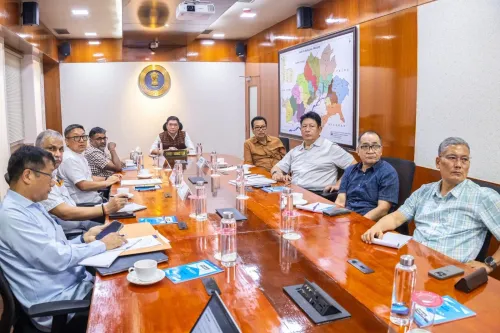
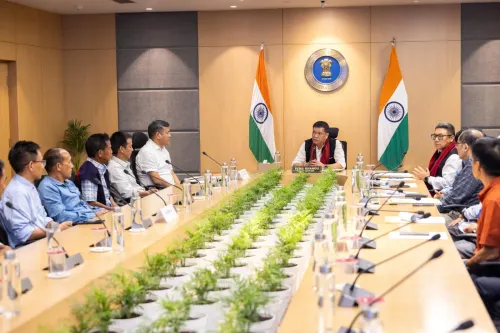
A massive river valley project in one of India's most sensitive border states just took its first formal step — and Arunachal Pradesh Chief Minister Pema Khandu made sure the process begins with transparency built in from day one. On Tuesday, 29 September 2026, Khandu chaired the inaugural meeting of the Empowered High-Level Committee for the Siang Multipurpose Project (SUMP) at Yingkiong, the administrative hub of Upper Siang district.
What the Empowered Committee is — and who leads it
The committee was constituted by the State Cabinet and is headed by Minister Ojing Tasing. Its mandate is specific and bounded: coordinate and oversee the Pre-Feasibility Report (PFR) survey across Siang and Upper Siang districts. Tasing's seniority as the committee's chair signals that the state government intends this process to carry executive weight, not merely technical paperwork.
What a PFR actually means — and what it does not
Khandu was pointed in pre-empting what is often the loudest anxiety around large dam or multipurpose river projects: that a study equals a decision. 'The PFR is the first step towards establishing the facts,' he wrote. 'It assesses the project's basic feasibility and likely implications, providing the basis for further investigation and informed decision-making. It is not a final approval, nor does it by itself mean that the project will be built.'
That is a meaningful clarification. In Indian infrastructure planning, a Pre-Feasibility Report is a preliminary diagnostic — it maps terrain, hydrology, likely social and ecological implications, and rough cost contours. Only after a PFR clears internal scrutiny does a project move to a Detailed Project Report and, eventually, formal environmental and social clearances. The gap between a PFR survey and a shovel in the ground is measured in years and multiple regulatory layers.
Why Siang — and why now
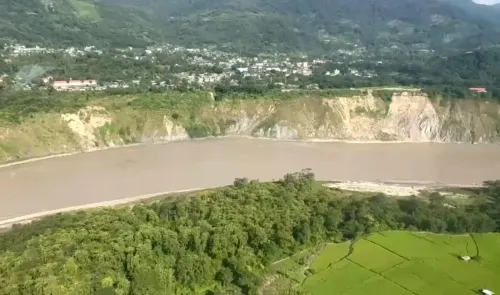
The Siang river, which enters Arunachal Pradesh from Tibet as the Tsangpo and eventually becomes the Brahmaputra, carries enormous hydropower and flood-management potential. Arunachal Pradesh has assessed large river valley projects for decades as a core plank of state infrastructure planning. Upper Siang district — remote, ecologically rich, and home to indigenous communities — has historically been at the centre of those assessments and the debates they generate.
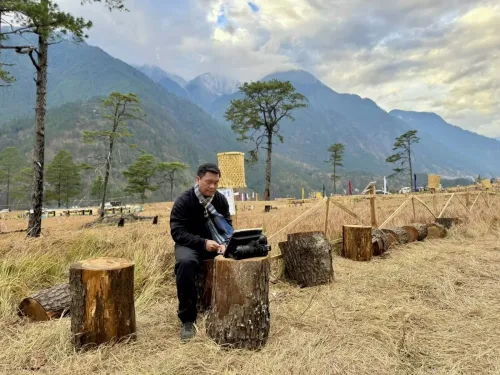
Holding the first committee meeting at Yingkiong, on the ground in the affected district rather than in the state capital Itanagar, is itself a signal. Khandu's framing — 'grounded in the realities of our people and our land' — gestures directly at tribal communities whose livelihoods and lands sit within the survey zone.
The transparency commitment at the centre of the announcement
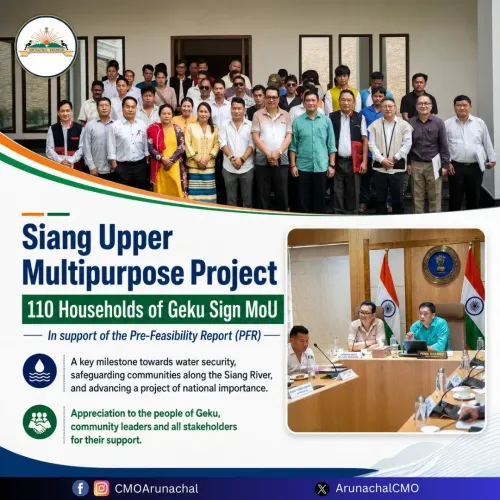
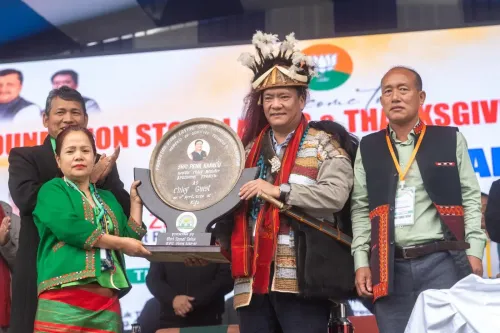
The CM closed with a responsibility framing that will now be the benchmark against which the committee's work is measured: 'Our responsibility is to ensure that this process is thorough, transparent and grounded in the realities of our people and our land.' With four images from the Yingkiong meeting circulating alongside the post, the government has signalled it intends the process to be visible. What the PFR survey finds — and how those findings are shared with affected communities — will determine whether that commitment holds.
Point of View
Khandu is front-loading a legitimacy argument that large infrastructure projects in Arunachal have historically struggled to build with local communities. The careful PFR-versus-approval distinction reflects a deliberate attempt to defuse opposition before it crystallises — a lesson from contentious dam projects elsewhere in the Northeast. The committee structure, with a cabinet minister at the helm, also gives the state government direct political ownership of outcomes, which cuts both ways: it accelerates coordination but also means any misstep lands squarely at the executive's door. How transparently the PFR findings are shared with tribal communities in Siang and Upper Siang will be the real test of the CM's stated commitment.
NationPress
29 Sept 2026
Frequently Asked Questions
What is the Siang Multipurpose Project (SUMP)?
The Siang Multipurpose Project (SUMP) is a proposed river infrastructure project on the Siang river in Arunachal Pradesh, currently at the pre-feasibility study stage covering Siang and Upper Siang districts.
What is a Pre-Feasibility Report (PFR) in an infrastructure project?
A Pre-Feasibility Report (PFR) is the first diagnostic step in infrastructure planning — it assesses basic technical and financial feasibility and likely implications, but is not a construction approval or a final project decision.
Who is heading the Empowered High-Level Committee for SUMP?
Minister Ojing Tasing is heading the Empowered High-Level Committee constituted by the Arunachal Pradesh State Cabinet to oversee the SUMP's PFR survey.
Where was the first SUMP committee meeting held?
The first meeting of the Empowered High-Level Committee for SUMP was held at Yingkiong, the administrative centre of Upper Siang district in Arunachal Pradesh.
Does the SUMP PFR survey mean the dam will be built?
No. CM Pema Khandu explicitly stated that the PFR 'is not a final approval, nor does it by itself mean that the project will be built' — it only establishes basic feasibility and provides a basis for further informed investigation.