CM Pema Khandu distributes tablets to Yingkiong school students
Synopsis
Arunachal Pradesh CM Pema Khandu distributed tablets to students of three government schools in Yingkiong on 30 September 2026, advancing digital learning under the PM SHRI scheme and NEP 2020 framework, while urging students to use technology responsibly.
Key Takeaways
Three schools in Yingkiong received tablets: Government Higher Secondary School, PM SHRI Secondary School (Parsing), and Government Town Secondary School.
The drive supports the PM SHRI scheme (launched 2022) and the National Education Policy 2020 , both of which prioritise digital tools in government schools.
Yingkiong is the headquarters of Upper Siang district, a remote area where physical access to learning resources has historically been limited.
CM Khandu coupled the distribution with a direct message to students: 'Let technology expand your horizons, not consume your time.' The initiative is part of a broader state-and-centre effort to reduce digital learning gaps across northeastern India .
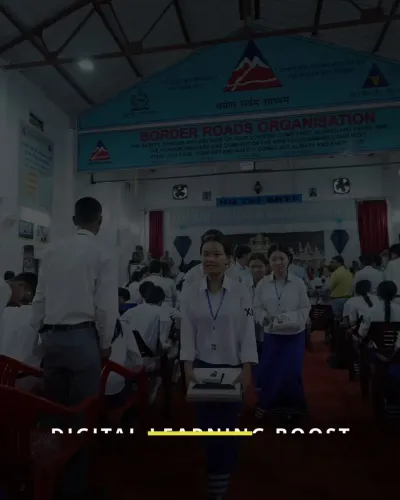
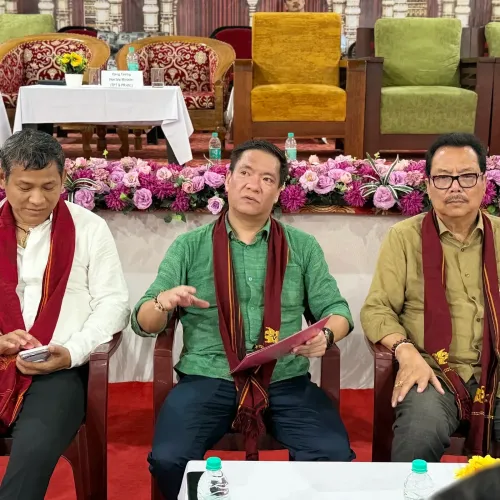
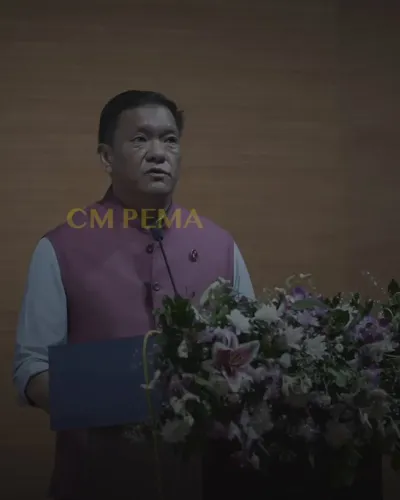
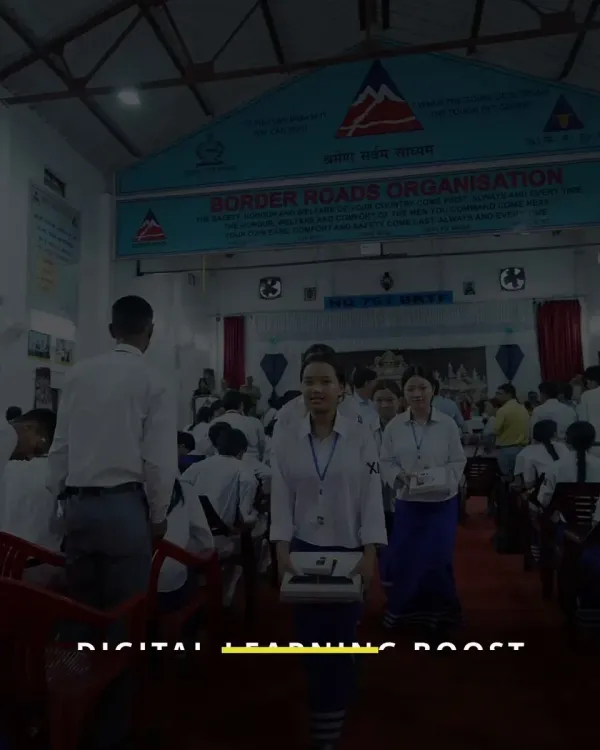
Tablets reached the desks of government school students in Yingkiong, Upper Siang district, on Wednesday, 30 September 2026, as Arunachal Pradesh Chief Minister Pema Khandu personally oversaw a digital-learning distribution drive covering three schools in the remote northeastern town.
Three schools, one push toward digital classrooms
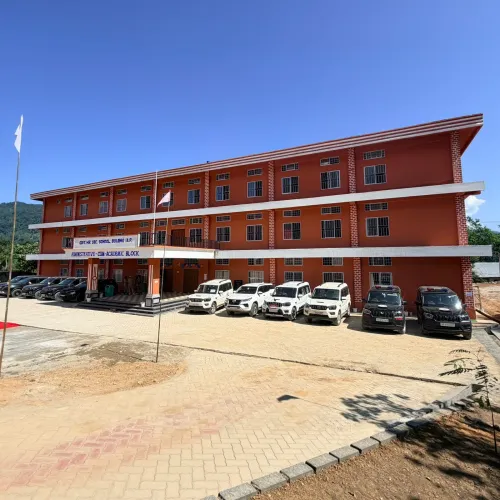
The distribution covered students of Government Higher Secondary School, Yingkiong; PM SHRI Secondary School, Parsing; and Government Town Secondary School, Yingkiong. Posting on X, CM Khandu framed the initiative as a bridge to opportunity: 'Digital learning can open new doors for our students, bringing knowledge, ideas and opportunities closer to them.' The gesture lands at the intersection of two active national frameworks — the PM SHRI scheme, launched in 2022 to upgrade selected government schools into model institutions with modern infrastructure, and the National Education Policy 2020, which explicitly mandates technology integration across school education.
Why Yingkiong — and why it matters beyond the valley
Yingkiong sits at the heart of Upper Siang district, a mountainous stretch where connectivity and physical access to learning resources have historically lagged behind urban Arunachal. Tablet distributions in such pockets are part of a wider state-and-centre effort to close the digital learning gap in the northeast — a region where geography has long been the silent barrier in classrooms. Devices alone do not transform education, but they place e-learning platforms, digital textbooks, and online resources within reach of students who previously had none of it.
Access with a caveat — the CM's message to students
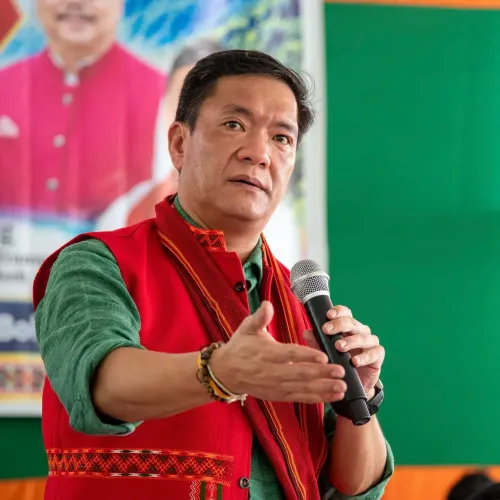
Khandu did not stop at handing out hardware. He attached a pointed advisory to the initiative: 'But with greater access comes greater responsibility. Let technology expand your horizons, not consume your time.' The line signals that the state is aware of the double-edged nature of screen access for adolescents — a concern increasingly voiced by educators and policymakers nationwide as device-in-school programmes scale up.
Point of View
Such events carry dual purpose: genuine educational outreach and political optics. Khandu's responsible-use caveat is also notable, hinting that the state is alert to the backlash that poorly managed device programmes have attracted elsewhere. The real test will be whether connectivity, content, and teacher capacity in Upper Siang can keep pace with the new devices.
NationPress
30 Sept 2026
Frequently Asked Questions
Which schools received tablets from CM Pema Khandu in Yingkiong?
Government Higher Secondary School Yingkiong, PM SHRI Secondary School Parsing, and Government Town Secondary School Yingkiong received tablets during the distribution drive on 30 September 2026.
What is the PM SHRI scheme?
PM SHRI is a central government scheme launched in 2022 to upgrade selected government schools into model institutions, with a strong focus on modern infrastructure, holistic development, and digital learning tools.
Why is Yingkiong significant for digital education in Arunachal Pradesh?
Yingkiong is the headquarters of the remote Upper Siang district in Arunachal Pradesh, where geography has historically limited students' access to learning resources, making digital tools especially impactful.
What did CM Pema Khandu say to students about using tablets?
Khandu urged students to use technology responsibly, saying: 'Let technology expand your horizons, not consume your time,' alongside announcing the tablet distribution.
How does this tablet drive connect to the National Education Policy 2020?
NEP 2020 mandates the integration of technology and digital resources across school education; the tablet distribution directly supports this goal by equipping government school students in a remote district with digital learning tools.