UNGA President Khalilur Rahman to lead stalled UN Security Council reform
Synopsis
For the first time in years, the head of the UN General Assembly has signalled a personal commitment to pushing through Security Council reform — a process deadlocked for nearly two decades. With Africa demanding permanent seats and India pressing its own claim, General Assembly President Khalilur Rahman's intervention could mark a pivotal shift in the world body's most consequential structural debate.
Key Takeaways
UNGA President Khalilur Rahman confirmed on 30 September 2026 that he intends to personally lead the UN Security Council reform process.
Reform has been stalled for nearly two decades within the intergovernmental negotiation (IGN) framework.
Africa's demand for permanent seats emerged as the dominant theme at last week's high-level General Assembly meeting, backed by a majority of member states.
Rahman described Africa as being 'at the table, not on the menu' and said its representation need is 'very clear.' External Affairs Minister S.
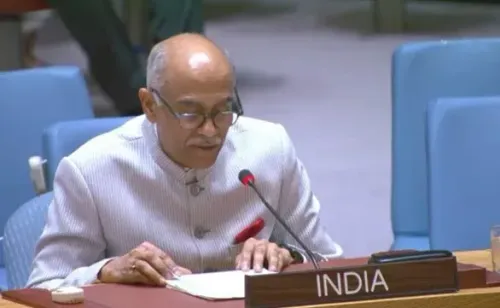
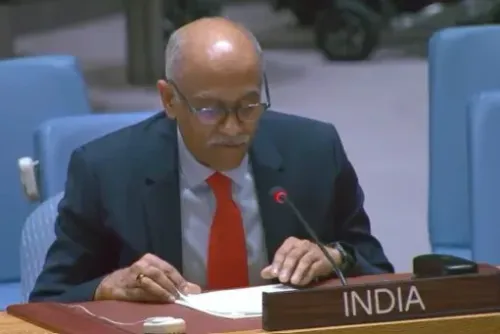
Jaishankar reiterated India's backing for Africa's permanent seat claim and called for reciprocal support for India's own permanent membership bid .
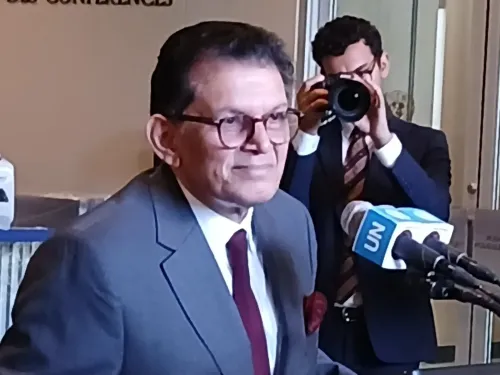
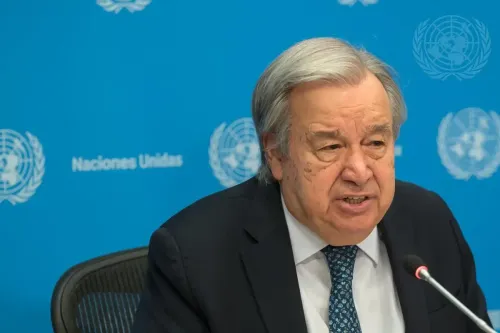
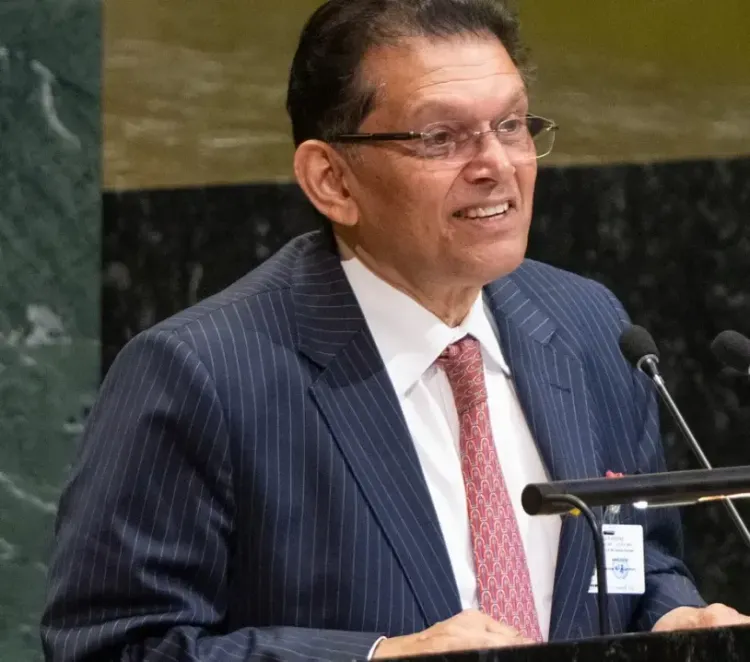
General Assembly President Khalilur Rahman intends to personally lead the long-stalled process of UN Security Council (UNSC) reform, according to his spokesperson Melissa Summers, who confirmed the commitment at the United Nations on 30 September 2026. The reform process has been bogged down for nearly two decades, even as global demand for an overhaul of the post-World War II power structure has intensified.
What the General Assembly President Said
'He will follow the intergovernmental negotiation (IGN) process (for reform), which is mandated and ongoing,' Summers told reporters on Tuesday. She added that Rahman 'intends to lead the Assembly clearly in this process, and follow the wishes and desires of the groups and the member states.'
When pressed on whether Rahman planned to accelerate the process, Summers said he 'emphasises the need for action in all of his priorities,' declining to elaborate further.
Africa's Demand for Permanent Seats Takes Centre Stage
The push for reform has gained fresh momentum following a high-level General Assembly meeting last week, where a majority of member states backed structural changes and specifically endorsed Africa's claim for permanent representation. Rahman had set the tone at the start of that meeting, stating the Council must be 'more representative, transparent and reflective of the geopolitical realities of our time.'
His language on Africa was particularly pointed: 'After eight decades, the largest region by number of Member States and a key focus of UN Peacekeeping, remains underrepresented on the Security Council. Africa needs to be at the table, not on the menu,' he said.
Summers confirmed that Rahman 'spoke very candidly about Africa's need for representation' and is 'very clear on this.'
India's Permanent Seat Bid and Africa Backing
This comes amid renewed advocacy by India, which has long sought a permanent seat on the Security Council. New Delhi has consistently backed Africa's case as part of a broader coalition for reform. External Affairs Minister S. Jaishankar, speaking at Africa Day celebrations in August 2026, stated: 'India is a strong votary of Africa's rightful place in a reformed United Nations Security Council.'
He also appealed directly to African nations: 'We similarly seek your support to ensure India's permanent seat on the United Nations Security Council.'
The Structural Problem: A 1945 Architecture in 2026
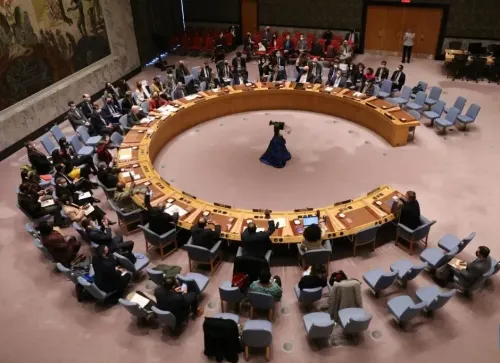
The UNSC's current five-permanent-member structure — the P5 comprising the United States, United Kingdom, France, Russia, and China — was designed in 1945 and reflects the post-World War II balance of power. Critics argue it is no longer representative of contemporary geopolitical realities. Reform negotiations under the IGN framework have proceeded slowly, with divergent positions among member states on enlargement modalities, veto powers, and regional representation.
What Comes Next
The IGN process provides the formal channel through which any reform proposal would need to advance. Rahman's stated intent to 'lead' the Assembly in this process signals a more activist presidency, though the structural barriers to reform — requiring amendments to the UN Charter ratified by two-thirds of member states including all P5 — remain formidable. Whether his intervention can break the two-decade impasse will depend on whether major powers, particularly the P5, are willing to concede ground.
Point of View
Rhetoric changes nothing. India's strategy of linking its own seat bid to Africa's cause is tactically astute, but it also means New Delhi's fate is tied to a coalition that faces its own internal divisions. The real test of Rahman's 'lead' will be whether he can extract concrete timelines — something no UNGA president has managed yet.
NationPress
30 Sept 2026
Frequently Asked Questions
What is the UN Security Council reform process?
The UN Security Council reform process is a decades-long effort to restructure the UNSC — particularly its five permanent seats and veto powers — to better reflect contemporary geopolitical realities. Formal negotiations have been conducted under the intergovernmental negotiation (IGN) framework since 2009, but have yielded no binding outcome.
Why is UNGA President Khalilur Rahman's role significant in UNSC reform?
As General Assembly President, Rahman chairs the body through which any reform proposal must pass. His stated intent to personally lead the IGN process signals a more activist approach after years of stalled negotiations. However, actual reform requires amending the UN Charter, which needs ratification by two-thirds of member states and all five permanent members.
What is Africa's demand at the UN Security Council?
African nations are demanding at least two permanent seats on the Security Council, arguing that Africa — the largest regional bloc by number of UN member states and a primary focus of UN Peacekeeping operations — has been excluded from permanent representation since the Council was founded in 1945.
What is India's position on UN Security Council reform?
India has long sought a permanent seat on the UN Security Council and has consistently backed Africa's claim for permanent representation as part of a broader reform coalition. External Affairs Minister S. Jaishankar, at Africa Day celebrations in August 2026, called India 'a strong votary of Africa's rightful place' and sought reciprocal African support for India's own bid.
What are the main obstacles to UN Security Council reform?
Any reform requires an amendment to the UN Charter, which must be approved by two-thirds of UN member states and ratified by all five permanent members — the United States, United Kingdom, France, Russia, and China. The P5's effective veto over their own reform, combined with divergent views among member states on enlargement size and veto powers, has kept the process deadlocked for nearly two decades.