CM Pema Khandu holds talks on Tawang Municipality proposal
Synopsis
Arunachal Pradesh CM Pema Khandu met Tawang MLA, ZPC, DC, and ZPMs on July 31 to advance the proposed Tawang Municipality — one of four towns including Aalo, Ziro, and Namsai where the state government is pushing to establish new urban local bodies.
Key Takeaways
CM Pema Khandu held a dedicated meeting on July 31, 2026 to deliberate on the proposed Tawang Municipality .
The meeting included MLA Namgey Tsering , ZPC Leki Gombu , DC Namgyal Angmo , and ZPMs Tenzin Monpa and Sonam Nordzin .
Tawang is one of four towns — along with Aalo , Ziro , and Namsai — where Arunachal Pradesh is advancing municipal proposals.
Arunachal Pradesh has historically had limited urban local bodies, with governance in most areas handled through tribal councils and panchayats.
Formal notification, ward delimitation, and elections remain the key next steps for all four proposed municipalities.
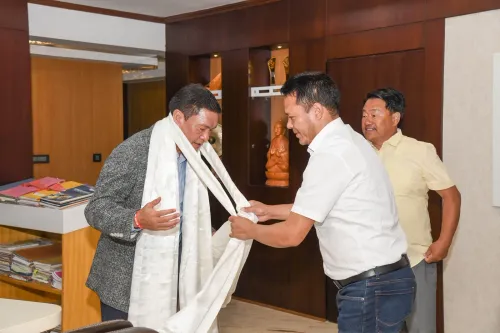
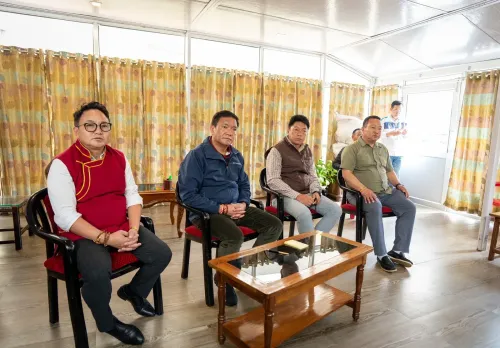
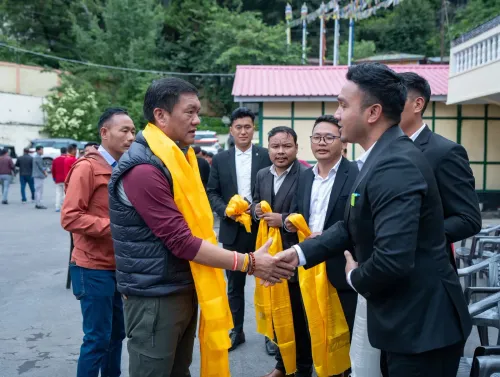
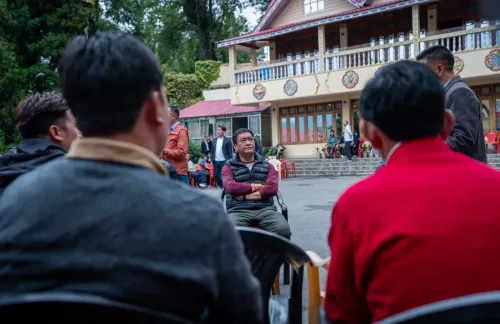
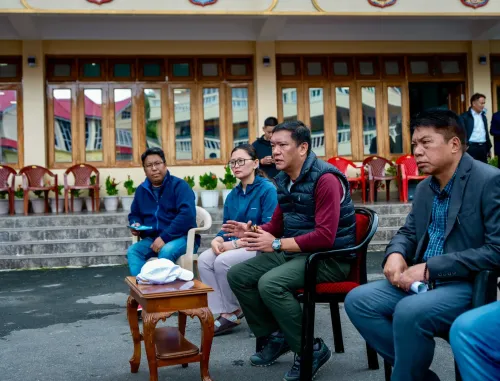
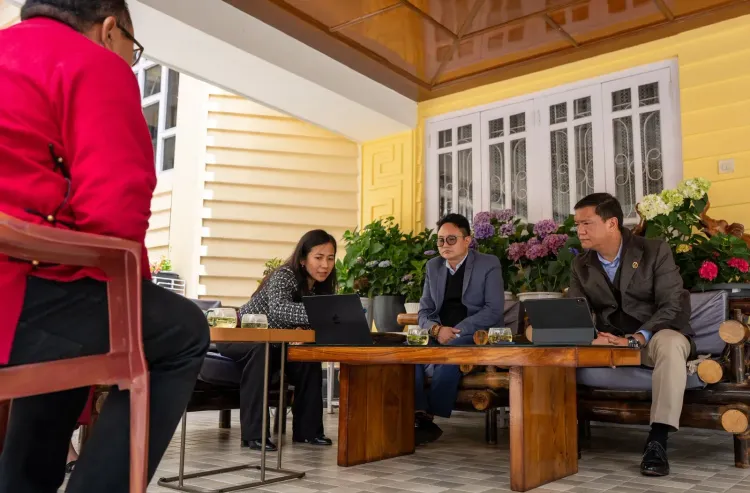
A border town famous for its ancient monastery may soon get its first formal municipal body. Arunachal Pradesh Chief Minister Pema Khandu on Friday, July 31, 2026, sat down with local elected representatives and district officials in Tawang to deliberate on the path forward for the town's proposed municipality — part of a four-town push that marks one of the state's most significant expansions of urban local governance in recent memory.
The meeting brought together MLA Tawang Namgey Tsering, ZPC Leki Gombu, DC Tawang Namgyal Angmo, and ZPMs Tenzin Monpa and Sonam Nordzin — a cross-section of legislative, administrative, and grassroots representation. The Chief Minister described the session as a deliberation on 'the way forward' for the proposed municipality, signalling that planning is active but formal notification is still ahead.
Four towns, one governance shift
Tawang is one of four towns where the Government of Arunachal Pradesh is advancing municipal proposals. The others are Aalo, Ziro, and Namsai — spanning the state's western, central, and eastern zones. Together, they represent a deliberate geographic spread, pulling urban governance reform into districts that have long been administered primarily through tribal councils and panchayat structures rather than formal municipal bodies.
Arunachal Pradesh has historically been among India's least urbanised states, with municipal infrastructure concentrated in a handful of centres. The push to formalise civic bodies in these four towns would expand the state's urban local body framework meaningfully, bringing with it structured planning powers, dedicated civic budgets, and elected ward representation.
Why Tawang's status carries extra weight
Tawang's strategic location — a high-altitude district bordering China and home to one of the largest Buddhist monasteries in Asia — gives this governance question a dimension beyond routine civic administration. Border districts with stronger local institutional capacity tend to receive infrastructure investment more effectively. A formal municipality could accelerate urban planning, housing, and services in a town that draws both pilgrims and significant defence-related activity.
The next milestones to watch: formal government notification of the proposed municipalities, delimitation of wards, and the timeline for elections under Arunachal Pradesh's urban local body framework.
Tawang has waited a long time for a municipal identity — the question now is how quickly the proposal clears the administrative runway and becomes a reality on the ground.
Point of View
Ziro, and Namsai also insulates the proposal from any perception of regional favouritism. Whether the momentum translates into notified bodies before the next electoral cycle will be the real test of intent.
NationPress
31 Jul 2026
Frequently Asked Questions
What is the proposed Tawang Municipality?
It is a planned urban local body for Tawang town in Arunachal Pradesh, which currently lacks a formal municipality. The state government is advancing the proposal alongside similar plans for Aalo , Ziro , and Namsai .
Which four towns in Arunachal Pradesh are getting new municipalities?
The four towns are Tawang , Aalo , Ziro , and Namsai , representing a geographic spread across the western, central, and eastern parts of the state.
Who attended the Tawang Municipality meeting with CM Pema Khandu?
MLA Namgey Tsering , ZPC Leki Gombu , DC Namgyal Angmo , and ZPMs Tenzin Monpa and Sonam Nordzin participated in the meeting held on July 31, 2026 .
Why does Tawang need a municipality?
Tawang has historically been governed through tribal councils and panchayat structures rather than a formal urban local body. A municipality would bring structured civic planning, dedicated budgets, and elected ward representation to the strategic border town.
What are the next steps for the Arunachal Pradesh municipality proposals?
The key next steps are formal government notification of the proposed municipalities, delimitation of wards, and scheduling of elections under Arunachal Pradesh's urban local body framework.