CM Pema Khandu lauds civil-military outreach at 15,600ft border sites
Synopsis
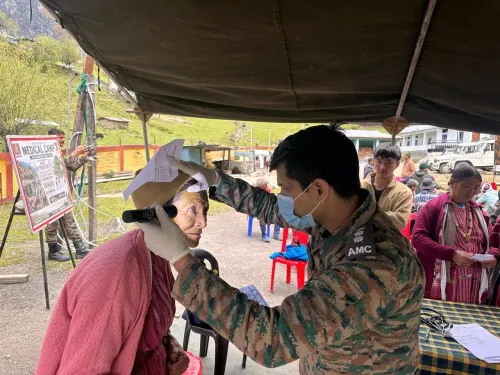
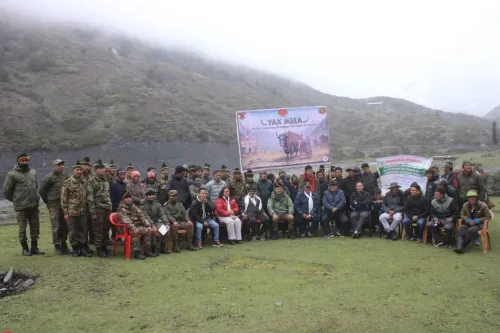
Arunachal Pradesh CM Pema Khandu commended a civil-military welfare drive at Chuna High Ground and Gongkar La Lake in Tawang's Mago-Chuna area, praising the Tawang District Administration and Gajraj Corps for reaching border graziers at altitudes up to 15,600 ft with medical outreach, yak culture promotion, and a cleanliness campaign.
Key Takeaways
CM Pema Khandu praised a joint welfare initiative at Chuna High Ground (14,000 ft) and Gongkar La Lake (15,600 ft) in Mago-Chuna, Tawang , on 1 July 2026 .
The drive was organised by the Tawang District Administration , Gorkha troops, and the medical teams of Gajraj Corps .
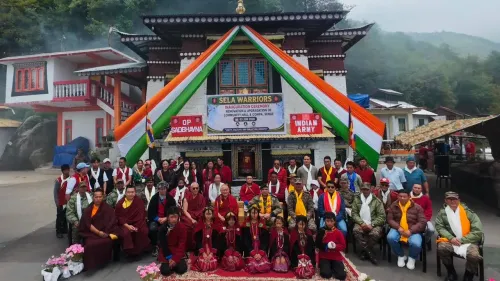
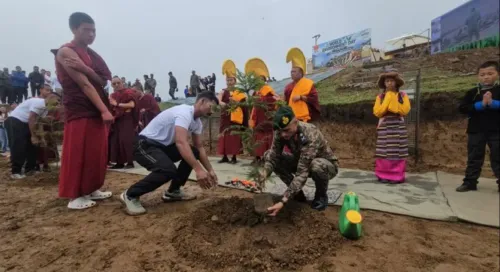
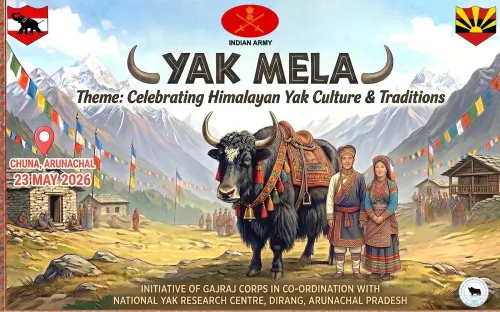
Activities included welfare services for graziers , promotion of yak culture , a tourism promotion drive , and a cleanliness campaign at Gongkar La Lake.
The initiative is rooted in the Indian Army's civic action framework, which has supported border welfare programmes in Northeast India since 1998 .
Arunachal Pradesh's tourism policy from 2018 onward has prioritised high-altitude Tawang sites for regulated border tourism, aligning with livelihood strategies for border communities.
The model could be replicated across other high-altitude border blocks in Tawang and West Kameng districts.
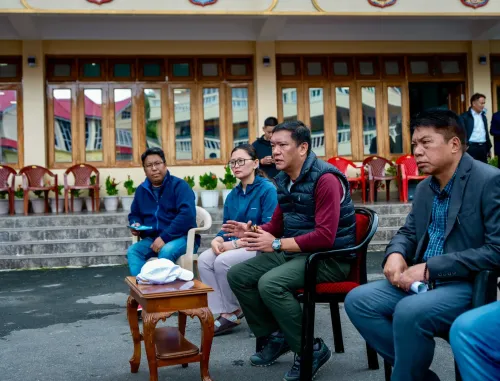
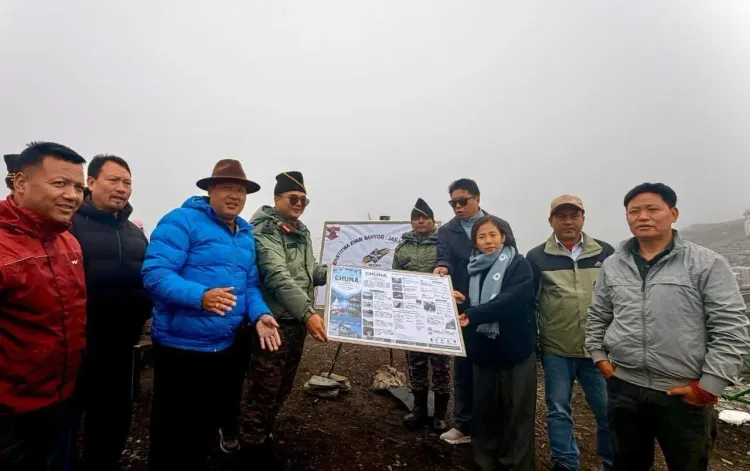
Arunachal Pradesh Chief Minister Pema Khandu on Wednesday, 1 July 2026, praised a joint welfare drive conducted by the Tawang District Administration, Gorkha troops, and the medical fraternity of Gajraj Corps at two high-altitude border sites — Chuna High Ground (14,000 ft) and Gongkar La Lake (15,600 ft) in the Mago-Chuna area — calling it 'a remarkable example of last-mile governance in our remote border areas.'
Context
The outreach programme covered welfare services for graziers who work in the high-altitude Mago-Chuna belt, promotion of yak culture, a tourism promotion drive, and a cleanliness campaign at Gongkar La Lake. CM Khandu, in his post on X, credited the initiative to the district administration alongside Gorkha personnel and the medical teams of Gajraj Corps, the Indian Army corps responsible for the eastern sector including Arunachal Pradesh's border regions. He described the effort as embodying 'the spirit of service, civil-military partnership, and commitment to our border communities.'
Tawang district shares a sensitive border with China and has historically been a focal point for civil-military coordination. Reaching communities at altitudes above 14,000 ft requires logistical support that district administrations alone are rarely equipped to provide, making Army participation central to welfare delivery in these zones.
Policy Backdrop
The Indian Army's civic action framework, which has operated across Northeast India since 1998 under Operation Sadbhavana, provides a structural basis for welfare camps, medical outreach, and infrastructure support in remote border villages. Successive state and central governments have built upon this template to extend basic services to populations in terrain that remains inaccessible for much of the year.
Arunachal Pradesh's tourism policy, updated from 2018 onward, has specifically identified high-altitude sites in the Tawang region — including lakes and alpine meadows — as destinations for regulated border tourism. Promoting yak rearing alongside tourism aligns with state livelihood strategies that seek to anchor border communities economically while reinforcing their presence in strategically sensitive zones.
Stakeholders and Impact
The immediate beneficiaries are graziers who seasonally occupy the Chuna High Ground and surrounding pastures, communities that have limited access to government services due to the extreme altitude and remoteness of the terrain. Medical outreach by Gajraj Corps personnel provides healthcare that would otherwise require a journey of many hours to the nearest town.
The cleanliness drive at Gongkar La Lake at 15,600 ft signals an intent to prepare the site for increased tourist footfall, which could generate supplementary income for local herding communities. Civil-military coordination of this kind also reinforces the state's administrative presence along the Line of Actual Control, a priority that has gained renewed emphasis in recent years.
What's Next
CM Khandu's public appreciation is likely to encourage similar joint welfare camps in other high-altitude border blocks of Tawang and West Kameng districts. Observers will watch for new state tourism infrastructure tenders targeting Gongkar La and comparable high-altitude lakes, as well as any formal expansion of the Mago-Chuna model to other border districts in Arunachal Pradesh. The initiative also sets a replicable template for civil-military cooperation in last-mile service delivery across India's northeastern frontier.
Point of View
The state is pursuing a dual objective: improving livelihoods while economically incentivising border communities to remain in strategically sensitive high-altitude zones. The Gajraj Corps tag in the post also signals deliberate effort to make Army-civilian cooperation visible to a national audience. This pattern of high-profile appreciation for last-mile initiatives is likely to accelerate ahead of any further infrastructure push along the Line of Actual Control.
NationPress
1 Jul 2026
Frequently Asked Questions
What is the Mago-Chuna welfare outreach programme in Tawang?
The Mago-Chuna welfare outreach is a joint initiative by the Tawang District Administration and Gajraj Corps that provides medical services, promotes yak rearing, and drives tourism and cleanliness at high-altitude border sites including Chuna High Ground (14,000 ft) and Gongkar La Lake (15,600 ft).
Who is Gajraj Corps and what is its role in Arunachal Pradesh?
Gajraj Corps is an Indian Army corps headquartered in Shillong that oversees the eastern sector including Arunachal Pradesh's border regions. It plays a key role in civil-military welfare outreach in remote high-altitude border areas.
Why is civil-military cooperation important in Tawang district?
Tawang district shares a sensitive border with China and has terrain above 14,000 ft that is difficult to access. The Indian Army's logistical and medical support is essential for delivering welfare services to graziers and border communities that district administrations alone cannot reach.
What is Operation Sadbhavana and how does it relate to this outreach?
Operation Sadbhavana, launched in 1998, is the Indian Army's civic action programme for welfare and infrastructure support in remote border villages across Northeast India. The Mago-Chuna drive follows this established framework of combining medical outreach with community development.
What is the significance of promoting yak culture in Arunachal Pradesh border areas?
Yak rearing is a traditional livelihood for high-altitude border communities in Arunachal Pradesh. State and Army promotion of yak culture helps anchor these communities economically in strategically sensitive zones along the Line of Actual Control, reducing migration away from border areas.