CM Pema Khandu Links Mebo to Sikkim's Temi in Sister Constituency Pact
Synopsis
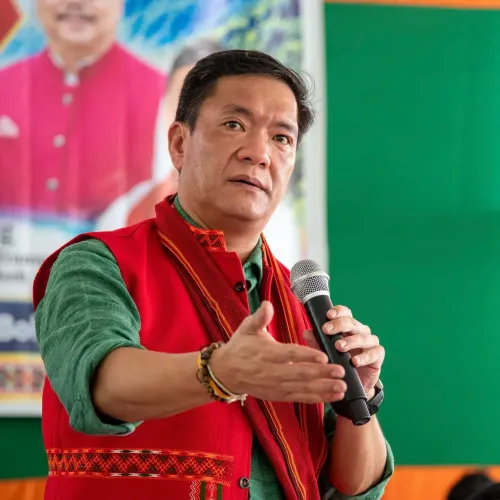
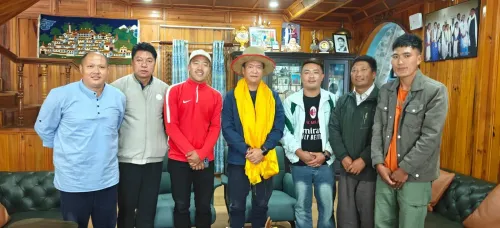
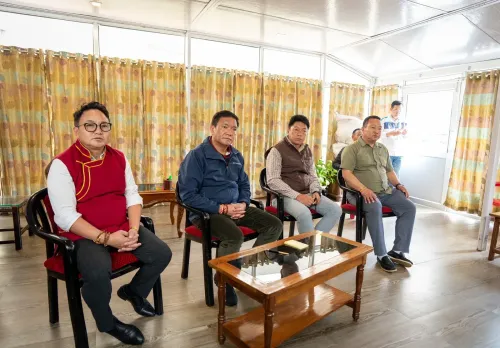
Arunachal Pradesh CM Pema Khandu met Team Discover Temi and MLA Oken Tayeng on 2 October 2026 to advance the Mebo-Temi Sister Constituency tie-up, aiming to bring Sikkim's homestay, tea and community tourism experience to Mebo's landscape and people.
Key Takeaways
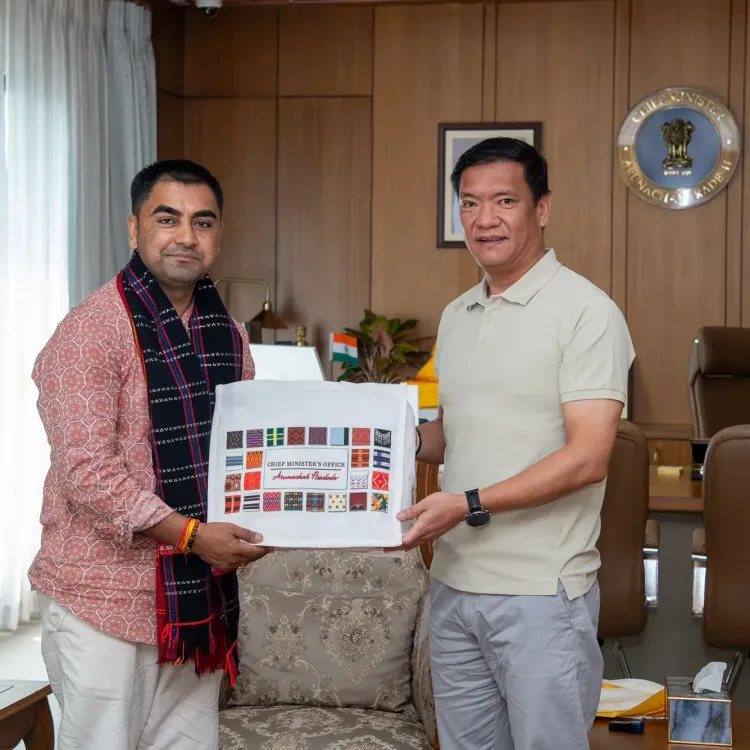
Arunachal Pradesh CM Pema Khandu met Team Discover Temi from Sikkim on 2 October 2026 in the presence of MLA Oken Tayeng .
Mebo (Arunachal Pradesh) and Temi (Sikkim) are formal Sister Constituencies under a cross-state peer-learning partnership.
The partnership targets sectors where Temi has proven success: homestays, community tourism, culture, agriculture, tea, and local entrepreneurship .
Khandu stressed that the goal is to build a model 'rooted in our people, our culture and our beautiful landscape' — adaptation, not imitation.
The meeting marks a horizontal, community-to-community development approach within the Northeast, independent of top-down central schemes.
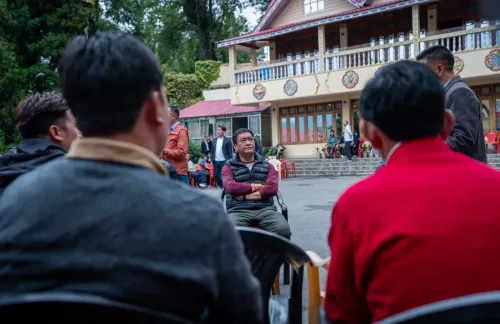
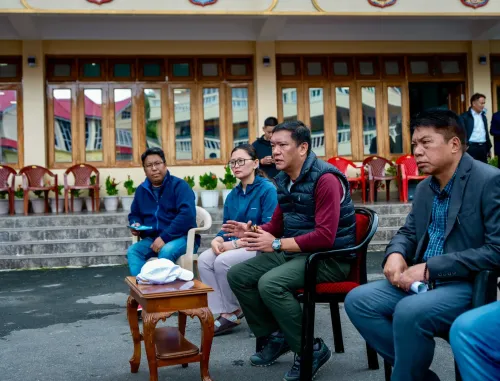
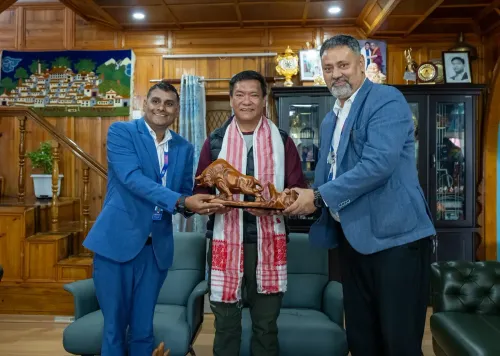
A cross-border exchange of ideas between two Himalayan communities is taking shape — and Arunachal Pradesh Chief Minister Pema Khandu wants it to count. On Friday, 2 October 2026, Khandu met Mr. Amrit Sharma and members of Team Discover Temi from Sikkim, in the presence of MLA Shri Oken Tayeng, to advance the Sister Constituency partnership between Mebo in Arunachal Pradesh and Temi in Sikkim.
Mebo and Temi: What a Sister Constituency partnership actually means
The Sister Constituency model is a structured peer-learning arrangement between two legislative constituencies — in this case, reaching across a state border. Chief Minister Khandu framed the purpose plainly: it is about 'learning from each other, sharing successful ideas and creating new opportunities for our communities.' The flow of learning, he indicated, runs from Temi's established model toward a new, homegrown approach in Mebo. Temi, nestled in south Sikkim, has carved out a reputation in community-driven tourism, organic agriculture, and the famed Temi Tea Estate — one of India's most celebrated single-estate teas. The area has also developed a network of homestays and cultural experiences that have drawn visitors and generated local livelihoods, making it a practical template for other Himalayan constituencies.What Mebo stands to gain — and what Khandu wants to build
Chief Minister Khandu was specific about the sectors Sikkim has 'built valuable experience' in: homestays, community tourism, culture, agriculture, tea, and local entrepreneurship. The intent is not transplantation — it is adaptation. His articulation was deliberate: develop 'a model rooted in our people, our culture and our beautiful landscape.' Mebo is a constituency in East Siang district of Arunachal Pradesh, a region of dense forests, river valleys, and tribal heritage along the Siang river system. It holds significant natural and cultural assets, yet community-based tourism and value-added agriculture remain nascent compared to Sikkim's mature circuits. The Sister Constituency framework offers Mebo a roadmap without a blank-slate start.A quiet but deliberate model for Northeast development
What makes this meeting noteworthy is its method. Rather than waiting for central schemes or external investment, Chief Minister Khandu is engineering horizontal knowledge transfer — constituency to constituency, community to community, across a shared Himalayan geography. If Temi's playbook translates to Mebo's terrain, it could quietly become a replicable model for other Northeast constituencies looking inward for inspiration rather than outward for funding. The partnership is still at the exchange stage. But the intent is on record, the teams have met, and the roadmap — rooted in landscape, culture, and local enterprise — has been spoken aloud.Point of View
Ground-up development models rather than solely depending on Union government flagship schemes. By explicitly naming Sikkim's homestay, tea and community tourism economy as the reference point, Khandu is signalling that neighbouring states — not distant metros — hold the most transferable lessons for Arunachal's terrain and demography. The horizontal knowledge-transfer framing also gives local MLAs like Oken Tayeng visible ownership of development outcomes, which carries its own political logic ahead of future electoral cycles. If Mebo demonstrably scales even one of Temi's successful interventions, the model becomes a template other Arunachal constituencies will be hard-pressed to ignore.
NationPress
2 Oct 2026
Frequently Asked Questions
What is the Mebo-Temi Sister Constituency partnership?
It is a cross-state peer-learning arrangement between Mebo constituency in Arunachal Pradesh and Temi constituency in Sikkim, aimed at sharing development ideas — particularly in homestays, community tourism, agriculture and local entrepreneurship.
Why is Temi in Sikkim considered a model for Mebo?
Temi has developed a well-regarded ecosystem of community tourism, organic farming, the famous Temi Tea Estate, and local homestays that generate sustainable rural livelihoods — experience that CM Pema Khandu believes is directly applicable to Mebo's Himalayan setting.
Who is MLA Oken Tayeng?
Oken Tayeng is the Member of the Legislative Assembly from Mebo constituency in Arunachal Pradesh, who was present at the meeting between CM Pema Khandu and Team Discover Temi from Sikkim.
What sectors will Mebo focus on under this partnership?
According to CM Khandu, the focus areas include homestays, community tourism, culture, agriculture, tea cultivation, and local entrepreneurship — all modelled on Temi's established practices but adapted to Mebo's own culture and landscape.
Where is Mebo located in Arunachal Pradesh?
Mebo is a constituency in East Siang district of Arunachal Pradesh, situated along the Siang river system and characterised by forested valleys and tribal heritage.