Nepal tourist arrivals rise 12.1% in September despite August floods
Synopsis
Despite flooding that killed over 1,453 people and triggered mass hotel cancellations, Nepal's September tourist arrivals still rose 12.1% to 88,248 — a resilience test the country passed largely on the strength of a rapid government-private sector campaign and an explosive 114.1% surge in Chinese visitors. The real reckoning comes in October and November, which together make up the bulk of Nepal's annual tourism revenue.
Key Takeaways
Nepal received 88,248 foreign tourists in September 2026 , up 12.1 per cent year-on-year, per the Nepal Tourism Board (NTB) .
Floods on 26 August along the Bhotekoshi and Trishuli river corridors killed at least 1,453 people ; 5,285 remain missing, including 636 foreigners .
The #NepalCalling campaign, jointly run by government and private operators, helped counter flood-driven booking cancellations.
India led arrivals with 17,425 visitors; China posted a 114.1 per cent year-on-year surge with 11,212 arrivals.
European arrivals fell 8.7 per cent ; Oceania dropped 25.9 per cent and Americas declined 12.3 per cent .
The September–November peak season represents nearly 40 per cent of Nepal's annual tourist arrivals.
Nepal recorded 88,248 foreign tourist arrivals in September 2026, a 12.1 per cent increase over the 78,711 arrivals logged in the same month last year, according to data released by the Nepal Tourism Board (NTB). The growth came despite devastating floods on 26 August that triggered widespread cancellations and threatened the country's critical peak tourism season.
The Flood That Shook Confidence
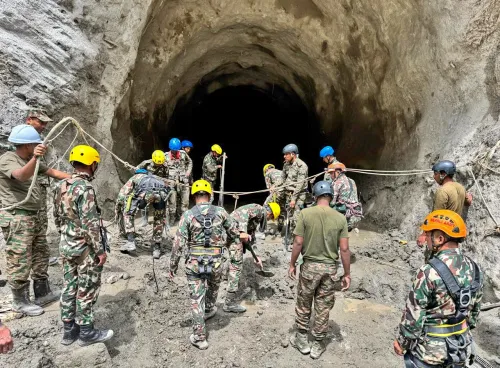
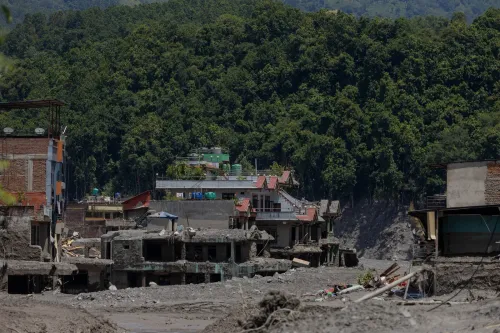
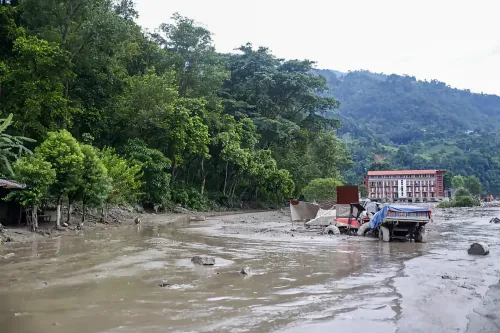
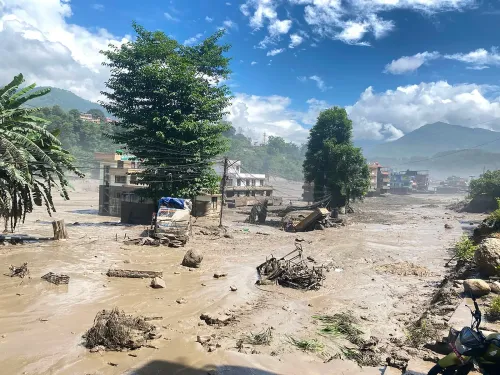
Floods along the Bhotekoshi and Trishuli river corridors — triggered by an avalanche near the Nepal-China border — killed at least 1,453 people, according to available data. A further 5,285 people, including 636 foreigners, reportedly remain missing.
Imagery of washed-out roads, collapsed bridges, and bodies recovered from rivers in northern Nepal's Rasuwa region spread rapidly, creating a widespread perception among prospective visitors that the disaster had engulfed the entire country — when, in fact, the destruction was largely concentrated in specific river corridors.
The #NepalCalling Recovery Campaign
As hotel cancellations mounted in the weeks following the floods, government agencies and private-sector operators jointly launched the #NepalCalling campaign to counter the reputational damage. The campaign's central message — that the vast majority of Nepal remained safe and accessible — appears to have resonated with travellers.
This comes amid a broader global pattern in which destination marketing campaigns can meaningfully offset post-disaster perception gaps, provided the factual case for safety is credible and rapidly communicated. The September-to-November peak season accounts for nearly 40 per cent of Nepal's annual foreign tourist arrivals, making swift damage control an economic necessity.
Country-Wise Arrival Breakdown
India contributed the highest share of September visitors, sending 17,425 tourists — up 12 per cent year-on-year. China followed with 11,212 arrivals, representing a striking 114.1 per cent surge compared with the same month last year, suggesting a strong post-pandemic rebound in Chinese outbound travel to the Himalayan nation. The United States ranked third with 8,299 arrivals, followed by Sri Lanka (7,108) and Australia (4,842).
Regional Trends: Asia Leads, Western Markets Weaken
By region, South Asia accounted for the largest share, contributing 30,085 tourists or 34.09 per cent of total September arrivals. Other Asian markets added 19,888 visitors, and Europe contributed 15,148 — though European arrivals fell 8.7 per cent year-on-year, according to NTB data. Arrivals from the Oceania region dropped 25.9 per cent, while those from the Americas declined 12.3 per cent. The contrasting trends suggest the flood-related perception damage may have been more pronounced in long-haul Western markets, where booking lead times are longer and risk aversion is higher.
What to Watch
With the peak trekking months of October and November still ahead, Nepal's full-season tourism performance will be the cleaner measure of how much ground the #NepalCalling campaign has recovered. Recovery in European and American arrivals will be a key indicator of whether the short-haul Asian rebound can be matched across long-haul corridors.
Point of View
Whose arrivals more than doubled — are carrying Nepal's recovery, while long-haul Western markets registered sharp declines. This east-west divergence matters structurally, because high-spend European and American trekkers typically drive disproportionate revenue relative to their numbers. If the #NepalCalling campaign fails to recover those corridors before the October-November peak ends, the full-season arrival count will flatter a picture that is weaker in dollar terms. Nepal also has a recurring vulnerability problem: the same river corridors that were devastated in August 2026 have flooded in prior years, yet infrastructure resilience and early-warning systems remain under-invested — a systemic gap that no marketing campaign can substitute for.
NationPress
2 Oct 2026
Frequently Asked Questions
How much did foreign tourist arrivals in Nepal grow in September 2026?
Foreign tourist arrivals in Nepal grew by 12.1 per cent in September 2026, reaching 88,248 visitors compared with 78,711 in September the previous year, according to the Nepal Tourism Board. This growth occurred despite devastating floods in late August that had triggered widespread booking cancellations.
What were the August 2026 floods in Nepal and how deadly were they?
Floods along the Bhotekoshi and Trishuli river corridors, triggered by an avalanche near the Nepal-China border on 26 August 2026, killed at least 1,453 people. A further 5,285 individuals, including 636 foreigners, reportedly remain missing, according to available data.
What is the #NepalCalling campaign?
The #NepalCalling campaign was a joint initiative by Nepal's government agencies and private tourism operators launched in the aftermath of the August 2026 floods to counter booking cancellations. It emphasised that most of Nepal remained safe and accessible, with flood damage concentrated in specific northern river corridors.
Which countries sent the most tourists to Nepal in September 2026?
India led with 17,425 arrivals, a 12 per cent year-on-year increase. China followed with 11,212 visitors, a surge of 114.1 per cent. The United States ranked third with 8,299 arrivals, followed by Sri Lanka with 7,108 and Australia with 4,842.
Why do September–November arrivals matter so much for Nepal's tourism economy?
The September-to-November period is Nepal's peak trekking and tourism season, accounting for nearly 40 per cent of the country's annual foreign tourist arrivals. Any significant disruption or decline during this window has an outsized impact on the annual tourism revenue figure.