CM Pema Khandu Meets Gyangkhar Villagers, Promotes Monpa Heritage
Synopsis
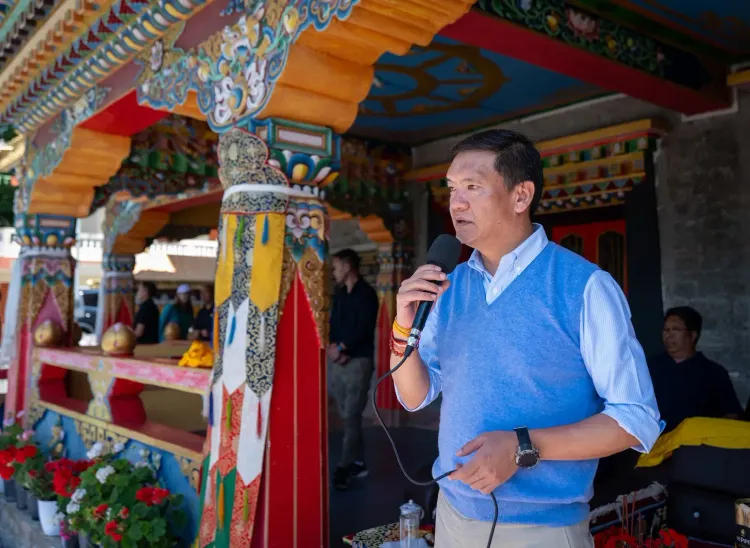
Arunachal Pradesh Chief Minister Pema Khandu visited Gyangkhar village on 26 June 2026, distributing traditional Monpa attire to villagers and urging the community to preserve their age-old cultural identity for future generations.
Key Takeaways
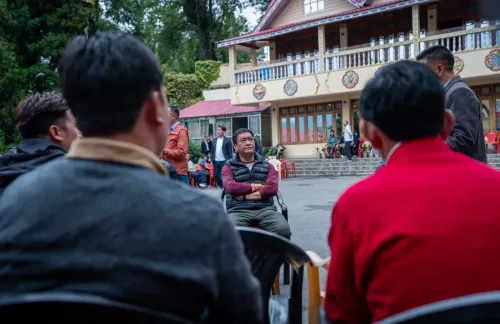
CM Pema Khandu held an interactive meeting with villagers of Gyangkhar on 26 June 2026 .
He distributed traditional hats to men and Shinka to women as a gesture to promote Monpa heritage.
The Monpa community is an indigenous Buddhist tribe primarily in Tawang and West Kameng districts.
Arunachal Pradesh is home to 26 major tribes with constitutional protections under the Sixth Schedule.
The outreach is part of a broader BJP-led pattern of cultural engagement in sensitive Northeast border districts .
Possible follow-up includes formal state heritage documentation schemes or expanded tribal festival participation.
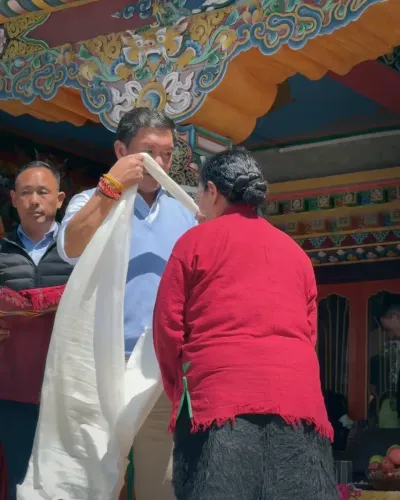
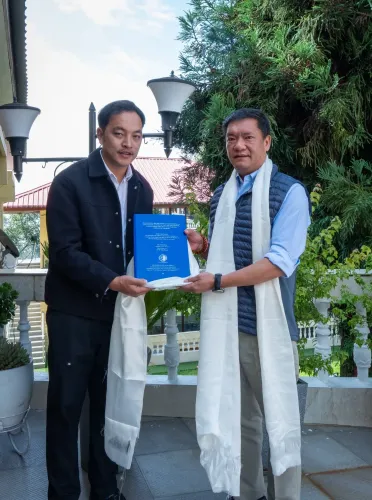
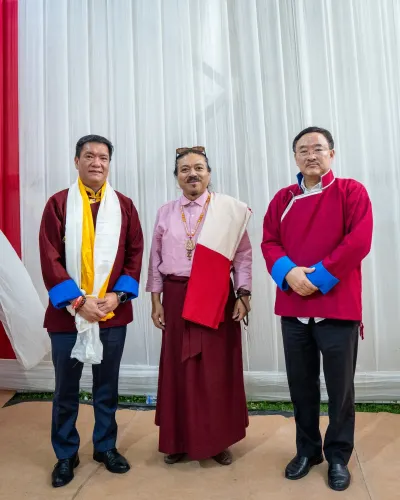
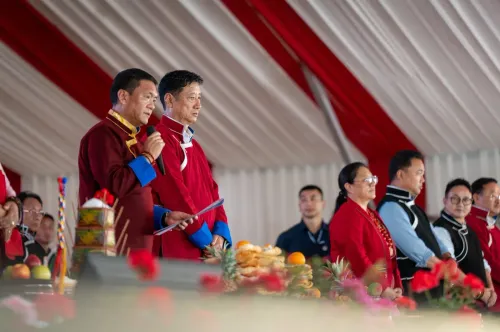
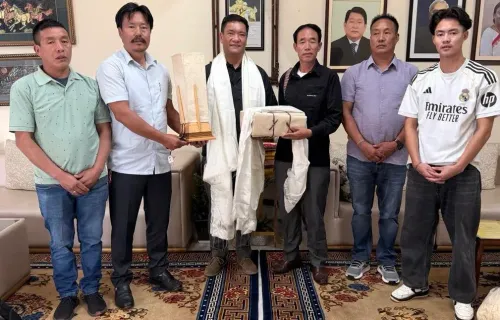
Arunachal Pradesh Chief Minister Pema Khandu on Friday, 26 June 2026, met with villagers of Gyangkhar in a community outreach session focused on preserving the cultural traditions of the Monpa community. The Chief Minister distributed traditional hats to men and Shinka (traditional attire) to women as a symbolic gesture to celebrate the tribe's age-old heritage.
Context
During the interactive meeting, CM Khandu emphasised that traditions form the bedrock of community identity. 'Our traditions are our identity, and it is our collective responsibility to ensure they are proudly passed on to future generations,' he stated. The distribution of culturally significant items — traditional hats for men and Shinka for women — was described by the Chief Minister as a 'small gesture' to promote and celebrate heritage.
Gyangkhar is a village in Arunachal Pradesh inhabited predominantly by Monpa families, situated near the Bhutan border. The Monpa are an indigenous Buddhist tribe found mainly in the Tawang and West Kameng districts, known for their distinct attire, festivals, and monastic traditions.
Policy Backdrop
Arunachal Pradesh is home to 26 major tribes and multiple sub-tribes, all carrying constitutional protections. The state government has, over the years, supported district-level cultural documentation initiatives and events such as the Tawang Festival — efforts dating back to the early 2010s — to formally record and celebrate tribal customs.
Under BJP-led administrations across the Northeast, cultural preservation has been consistently framed as integral to both regional identity and security, particularly in sensitive border districts. Community outreach events involving the distribution of traditional attire form part of a broader pattern of reinforcing ties between the state government and indigenous populations.
Stakeholders and Impact
Monpa villagers of Gyangkhar, including elders, women, and youth, were the direct beneficiaries of Friday's engagement. For indigenous youth especially, such visible state-level endorsement of traditional dress and customs can serve as an affirmation of cultural pride at a time when globalisation pressures bear on smaller tribal communities.
The event also carries symbolic weight for the broader tribal ecosystem of Arunachal Pradesh. When a Chief Minister personally participates in and validates traditional practices, it signals institutional support that can encourage local communities to sustain cultural documentation and transmission efforts.
What's Next
Observers will watch whether Friday's outreach translates into formal policy announcements — such as state-backed heritage documentation schemes or enhanced participation in national tribal festivals. CM Khandu's engagement with the Monpa community in a border-adjacent village underscores the dual imperative of cultural continuity and sustained governmental presence in strategically sensitive areas of the Northeast.
Point of View
Tribal cultural outreach is not merely ceremonial; it anchors electoral loyalty in communities that sit at the intersection of national security and indigenous rights. The gesture also keeps pressure on the state administration to back symbolism with substantive heritage policy. Whether this leads to documented schemes or remains a photo-opportunity moment will define its long-term political and cultural value.
NationPress
26 Jun 2026
Frequently Asked Questions
Who are the Monpa community in Arunachal Pradesh?
The Monpa are an indigenous Buddhist tribe found mainly in Tawang and West Kameng districts of Arunachal Pradesh, known for their distinct attire, festivals, and monastic traditions.
What is Shinka in Monpa culture?
Shinka is a traditional garment or attire associated with Monpa women, distributed by CM Pema Khandu during his visit to Gyangkhar as a gesture to celebrate the community's cultural heritage.
Where is Gyangkhar village located?
Gyangkhar is a village in Arunachal Pradesh, near the Bhutan border, predominantly inhabited by Monpa families.
Why did Pema Khandu visit Gyangkhar?
CM Pema Khandu visited Gyangkhar on 26 June 2026 to meet villagers, emphasise the importance of preserving Monpa traditions, and distribute traditional cultural items as a symbolic gesture of support.
How many tribes are there in Arunachal Pradesh?
Arunachal Pradesh is home to 26 major tribes and multiple sub-tribes, all carrying constitutional protections, making it one of India's most ethnically diverse states.