CM Rekha Gupta Approves ₹5 Cr Plan to Modernise Delhi's PUC Centres
Synopsis
Delhi CM Rekha Gupta announces Cabinet approval of a ₹5 crore scheme to modernise about 500 PUC inspection centres, providing ₹1 lakh each for equipment upgrades, mandatory CCTV, and uniform testing standards — with strict accountability for violators.
Key Takeaways
Delhi Cabinet approved a ₹5 crore scheme to upgrade nearly 500 PUC inspection centres across the capital.
Each eligible centre will receive up to ₹1 lakh in financial assistance for modern testing equipment.
CCTV surveillance will be installed at all upgraded centres to ensure a verifiable audit trail.
Uniform quality standards will be enforced across the entire PUC network to eliminate inconsistency.
CM Gupta warned that centres found manipulating tests or flouting norms will face strict action with no exemptions.
The initiative is part of the #ViksitDelhi campaign for modernised urban infrastructure.
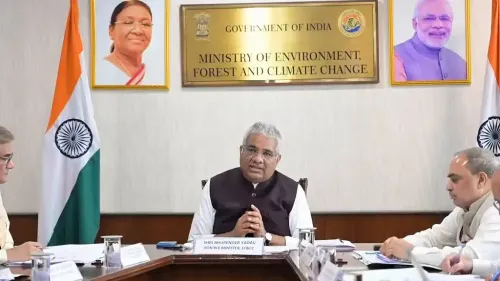
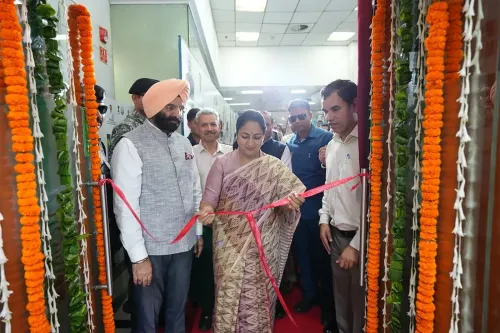
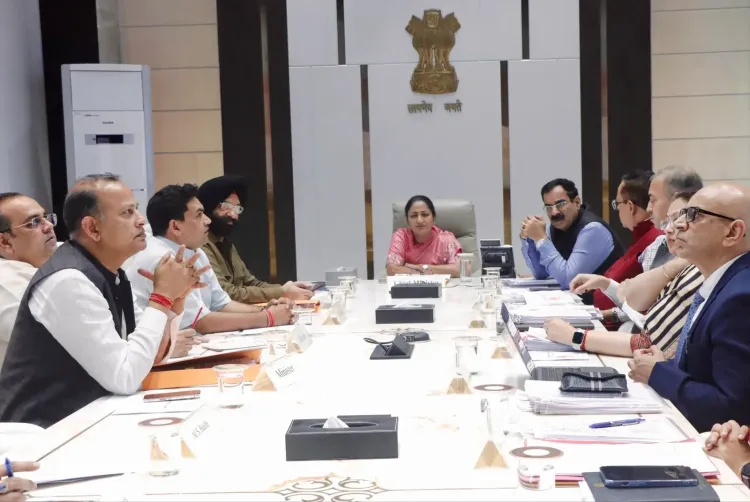
Delhi's war on vehicular pollution just got a sharper edge. Delhi Chief Minister Rekha Gupta announced on Tuesday, 17 November 2026 that the Delhi Cabinet has cleared a ₹5 crore scheme to modernise nearly 500 Pollution Under Control (PUC) inspection centres across the capital — pairing fresh public funding with a no-tolerance stance on fraud and negligence.
₹1 Lakh Per Centre — What the Scheme Actually Delivers
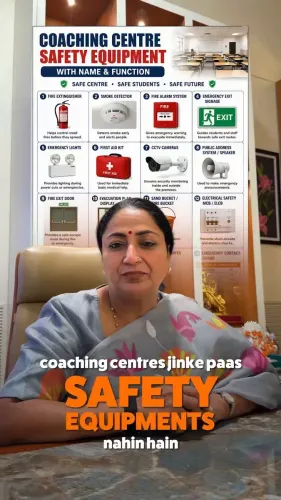
Under the approved plan, each eligible PUC centre will receive up to ₹1 lakh in financial assistance to procure modern testing equipment. The upgrade is not cosmetic: the scheme mandates CCTV surveillance at every centre and enforces uniform quality standards across all facilities. The goal is to close the gap between what a certificate says and what a vehicle's exhaust pipe actually emits.
CM Gupta framed the dual thrust plainly — 'जहां संसाधनों की जरूरत है, वहां सरकार पूरी मदद करेगी' ('where resources are needed, the government will provide full support') — but followed that with an unambiguous warning: those found manipulating tests, ignoring rules, or operating carelessly will receive no leniency. Every vehicle will be tested correctly. Every centre will be held accountable.
Why Delhi's PUC Network Has Long Been Under Scrutiny
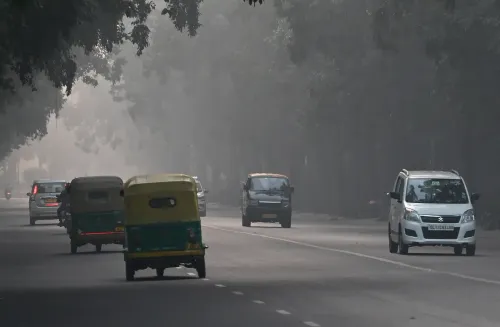
PUC certification in India is governed by the Central Motor Vehicles Rules, 1989, with emission norms periodically tightened by the Central Pollution Control Board (CPCB). In Delhi, where vehicular exhaust is one of the largest contributors to hazardous air quality, the integrity of that certification chain is not a bureaucratic footnote — it is a public-health question.
Successive Delhi administrations have launched air-quality action plans since the early 2000s, repeatedly identifying lax or corrupt PUC enforcement as a weak link. Certificates issued without proper testing mean polluting vehicles stay on the road with official clearance. CCTV integration and standardised equipment directly target that vulnerability.
Accountability Architecture Behind the Announcement
The scheme's design reflects a deliberate accountability architecture. Equipment upgrades ensure accurate readings. CCTV cameras create an audit trail. Uniform standards remove the discretion that historically enabled corner-cutting. Together, these three levers are meant to transform PUC centres from largely self-reporting outposts into verifiable nodes in Delhi's pollution-monitoring network.
The announcement was tagged #ViksitDelhi — the Gupta government's overarching campaign for modernised urban infrastructure — positioning the PUC overhaul as part of a broader governance narrative rather than a standalone environmental measure.
The real test will come in the rollout: whether equipment reaches centres on time, whether CCTV feeds are actually monitored, and whether the first compliance audits name names. Delhi's air cannot afford another well-intentioned scheme that stalls at implementation.
Point of View
And credible deterrence against the fraudulent certificate issuance that has long undermined Delhi's air-quality enforcement. By embedding CCTV and standardised equipment into the scheme's architecture, the government is attempting to convert a historically self-policing network into a monitored one — a structural fix rather than a periodic crackdown. This fits a broader BJP governance pitch of pairing welfare spending with accountability mechanisms. The scheme's true test, however, lies beyond the Cabinet note: in the speed of equipment deployment, the rigour of CCTV monitoring, and whether violation reports actually lead to cancellations.
NationPress
17 Nov 2026
Frequently Asked Questions
What is the Delhi Cabinet's ₹5 crore PUC scheme about?
The Delhi Cabinet has approved a ₹5 crore plan to modernise nearly 500 Pollution Under Control (PUC) inspection centres. Each eligible centre will receive up to ₹1 lakh to buy modern testing equipment, and all centres will have CCTV cameras installed and must follow uniform quality standards.
How much money will each PUC centre get under this scheme?
Eligible PUC centres will receive up to ₹1 lakh each in financial assistance to procure modern emission-testing equipment.
What action will be taken against PUC centres that violate rules?
CM Rekha Gupta has stated that centres found manipulating tests, ignoring regulations, or operating negligently will receive no leniency — strict accountability will be enforced with no exceptions.
Why is PUC enforcement important for Delhi's air quality?
Vehicular emissions are one of Delhi's largest contributors to air pollution. If PUC certificates are issued without genuine testing, polluting vehicles remain on the road legally. Accurate, monitored testing directly reduces the number of high-emission vehicles operating in the city.
What is Viksit Delhi?
Viksit Delhi is the Rekha Gupta government's campaign for developing and modernising infrastructure across Delhi. The PUC upgrade scheme is tagged under this initiative as part of a broader urban-governance agenda.